10 Modern Luxury Living Room Ideas with Scandinavian Decor Inspiration
Scandinavian design built its whole reputation on doing more with less, and a living room is one of the easiest rooms in a home to see that philosophy actually pay off. The style leans on natural materials, warm wood, wool, linen, and a restrained neutral palette, rather than ornate detail or bold color, to create a space that feels calm without feeling empty. Done well, that restraint can read as more luxurious than a room full of statement pieces, since every object left in the room actually earns its place. These living room ideas focus on that quieter kind of luxury, one built from good materials and careful editing rather than excess.
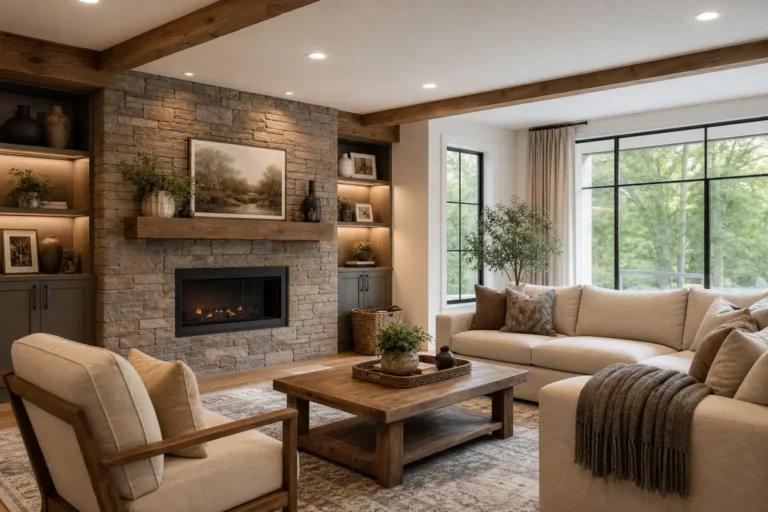
Picture a living room with hardly any clutter, but every piece in it feels substantial. A sofa with real texture, a coffee table with soft, rounded edges, a rug underfoot that’s clearly wool rather than a synthetic substitute. Nothing loud, but nothing cheap either. That balance, calm but never sparse, is the whole point of bringing Scandinavian principles into a living room.
1. Boucle Sofa as the Room’s Textural Anchor
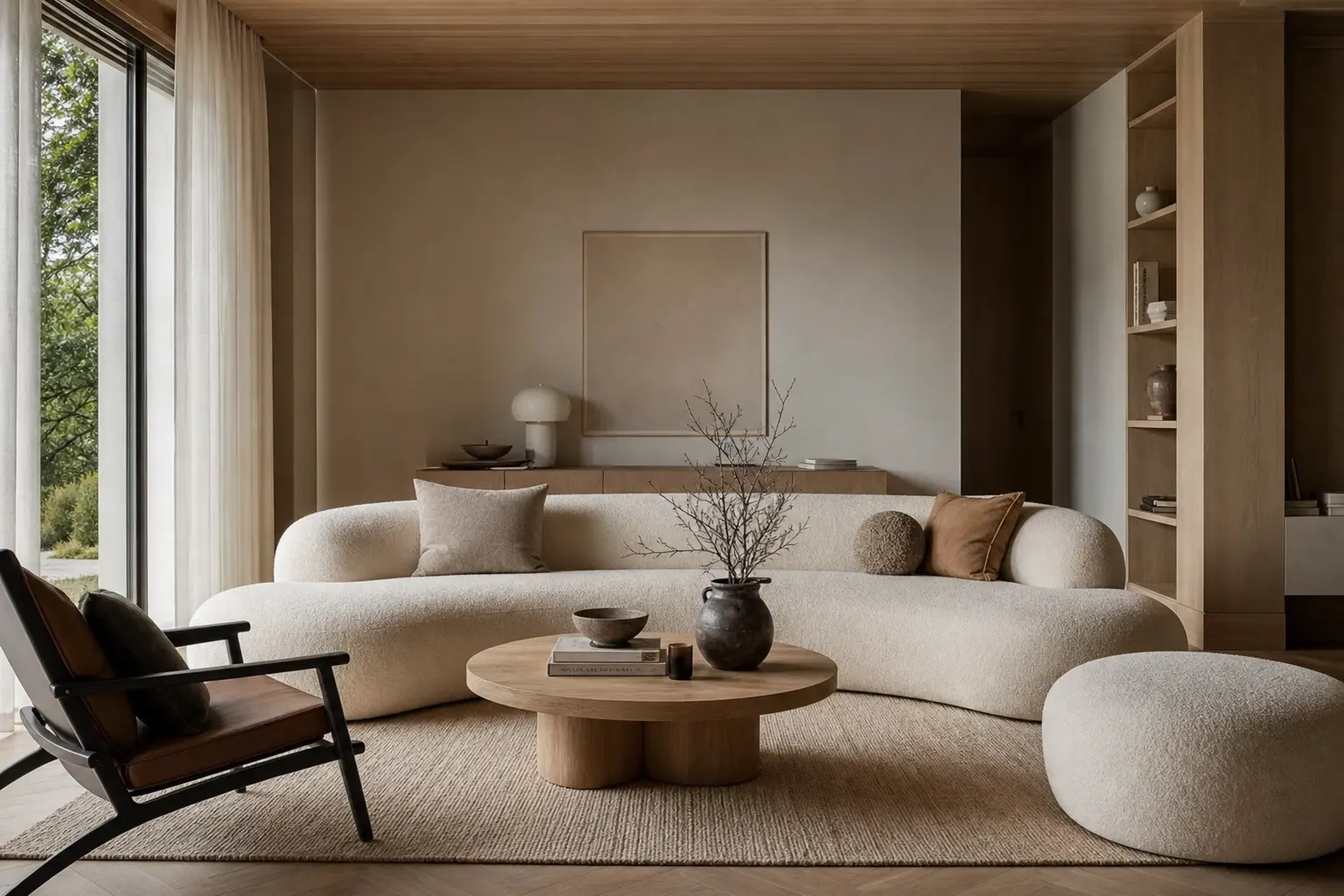
A sofa upholstered in boucle, in a warm white or soft oatmeal tone, gives a Scandinavian living room its main textural statement. The nubby, tactile fabric reads as considered and high end without needing an ornate shape or a bold color, and it pairs naturally with the wood and wool elements found throughout the rest of the room. Choose a silhouette with soft, rounded arms rather than sharp angles, since curved furniture tends to suit this style better than anything overly structured, and it holds up well as a long term piece rather than something that feels dated after a season or two.
2. Light Wood Flooring with a Wool Area Rug
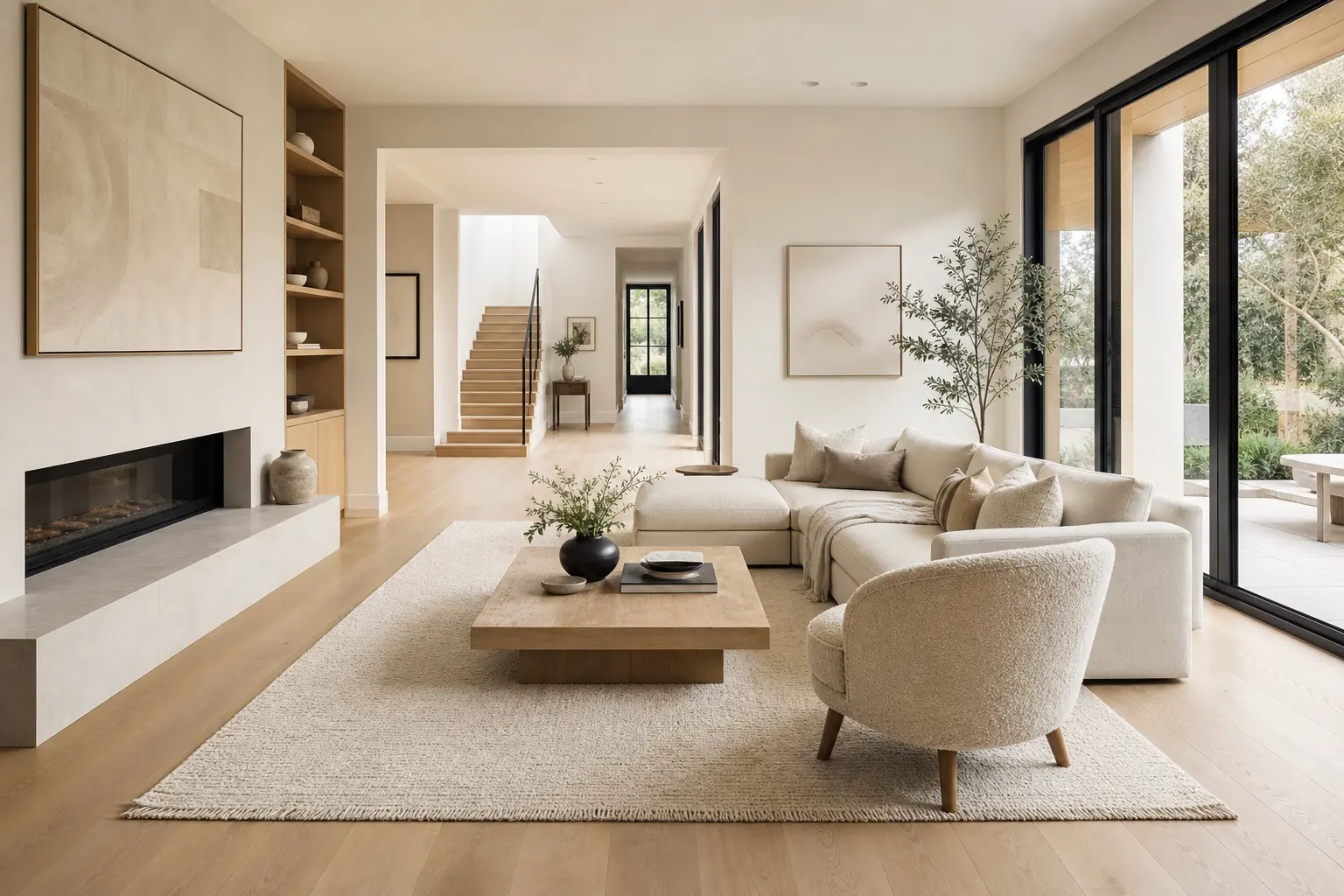
Pale ash or birch flooring keeps a living room feeling bright and airy, which matters in Scandinavian design where natural light and openness are central to the whole aesthetic. Layer a chunky wool area rug on top, in a neutral tone close to the floor color, and the room gets warmth and texture underfoot without disrupting the light, open feel the flooring establishes. A rug with a slight visible weave rather than a completely flat surface adds one more layer of the tactile quality this style depends on.
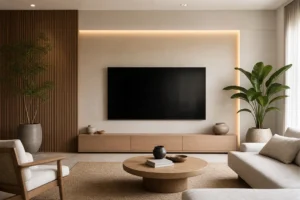
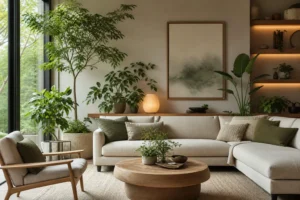
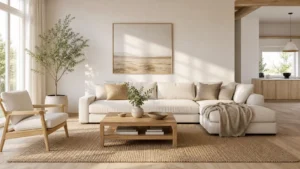
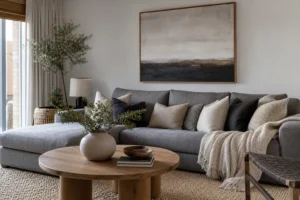
3. Curved Wood Coffee Table with Rounded Edges
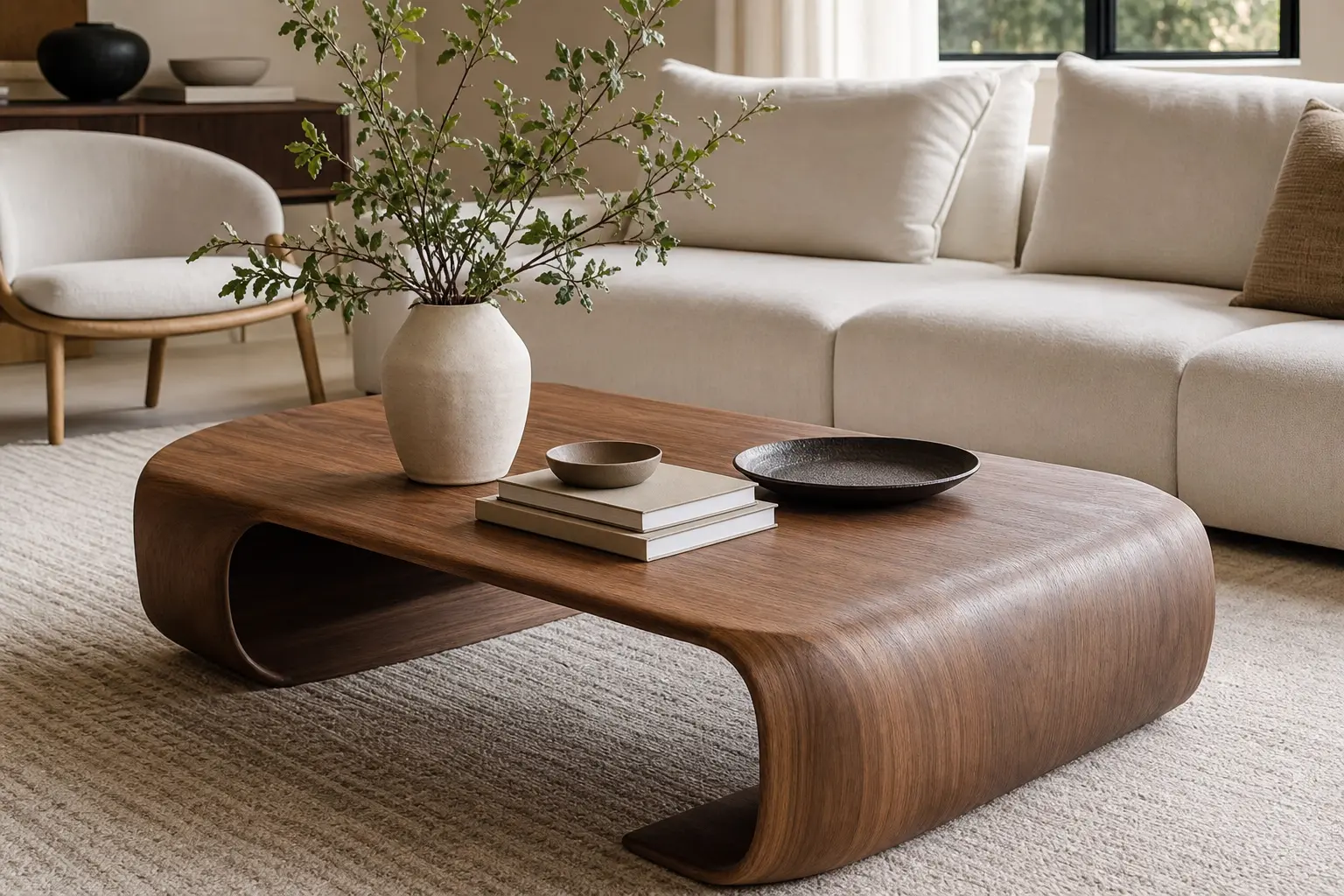
A low coffee table in warm, light wood, with soft, rounded edges rather than sharp corners, suits the softer overall silhouette Scandinavian furniture tends to favor. This piece works particularly well as a central anchor in the room, since its rounded shape echoes the curves often found in Scandinavian seating and lighting, tying the whole room together visually, and the lower profile keeps sightlines open across the space rather than blocking the view toward a window or fireplace.
4. Sheer Linen Curtains for Soft Natural Light
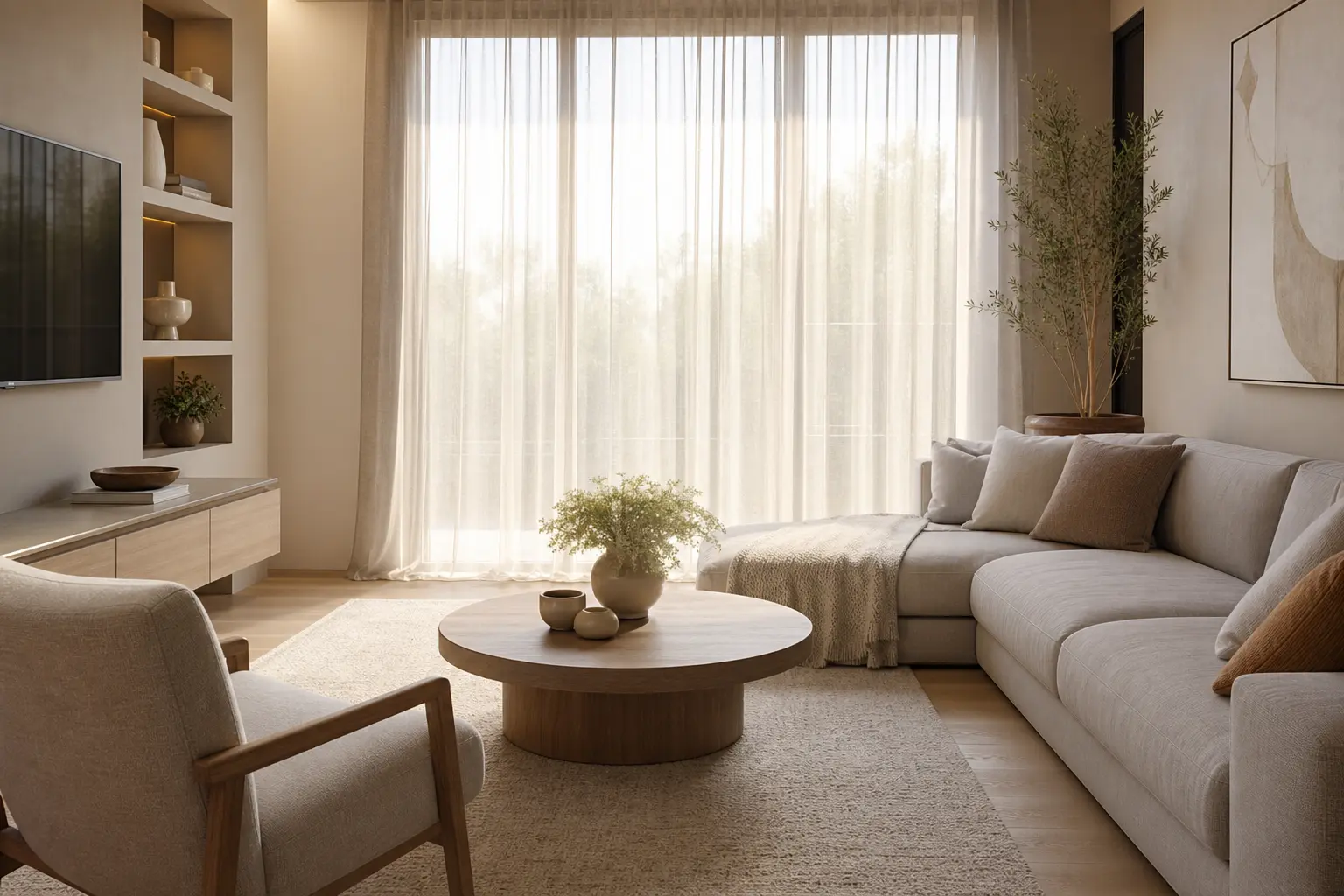
Rather than heavy, light blocking drapery, sheer linen curtains let natural daylight filter softly into the room throughout the day, which matters enormously in a design style built around maximizing available light. Choose a curtain in a warm white or natural undyed linen tone, and the fabric itself adds a bit of texture to the window without darkening the room the way a heavier fabric would. This choice also keeps the room feeling connected to the outdoors, which is part of why Scandinavian interiors so often photograph as bright and open even in smaller footprints.
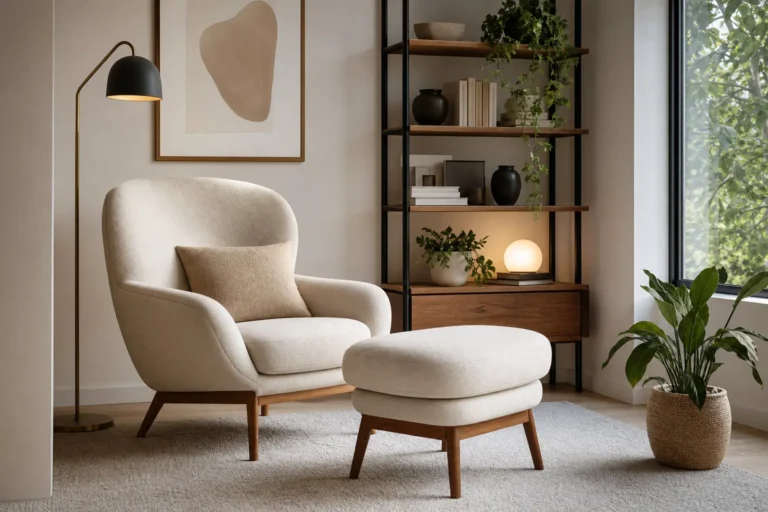
5. Sculptural Floor Lamp in a Matte Finish
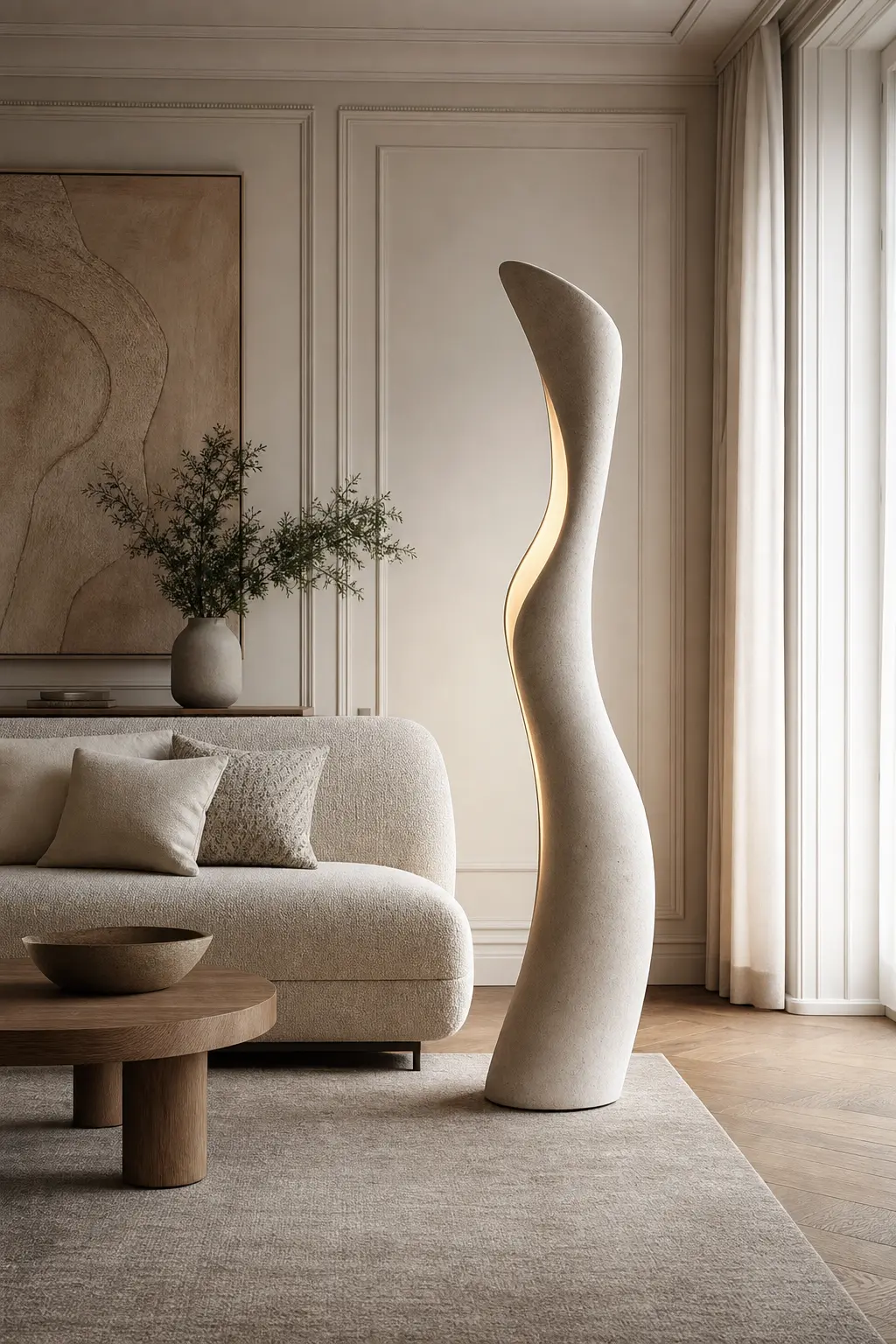
A floor lamp with a simple, sculptural silhouette, in a matte black, cream, or warm bronze finish, adds height and a bit of quiet drama to the room without introducing pattern or bold color. Scandinavian lighting design tends to favor clean, considered shapes over anything overly ornate, so a lamp with real presence but a restrained form suits the style particularly well, and positioning it beside a reading chair gives it a clear functional purpose beyond simply filling a corner.
6. Neutral Palette with One Warm Wood Accent Wall
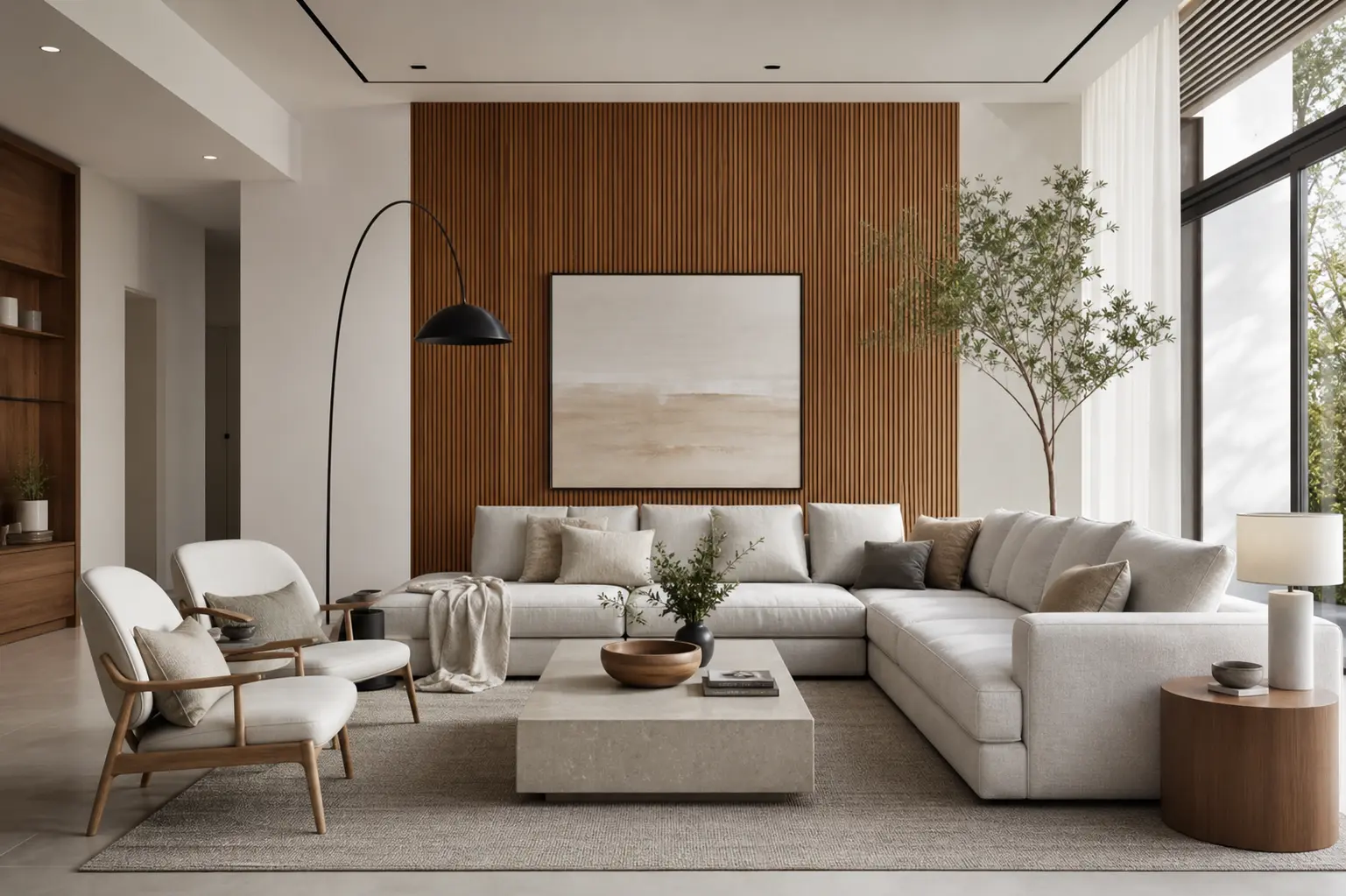
Keep the walls in a soft neutral, warm white or a pale greige, and add one accent wall in warm wood paneling or slats behind the sofa or media area. This gives the room a single point of textural interest without disrupting the overall calm palette, and it echoes the wood tones found in the furniture, tying the whole space together rather than introducing a competing material. A single accent wall also gives the eye somewhere to rest, which matters in a room built on restraint rather than a series of competing focal points.
7. Woven Storage Baskets for Hidden Function
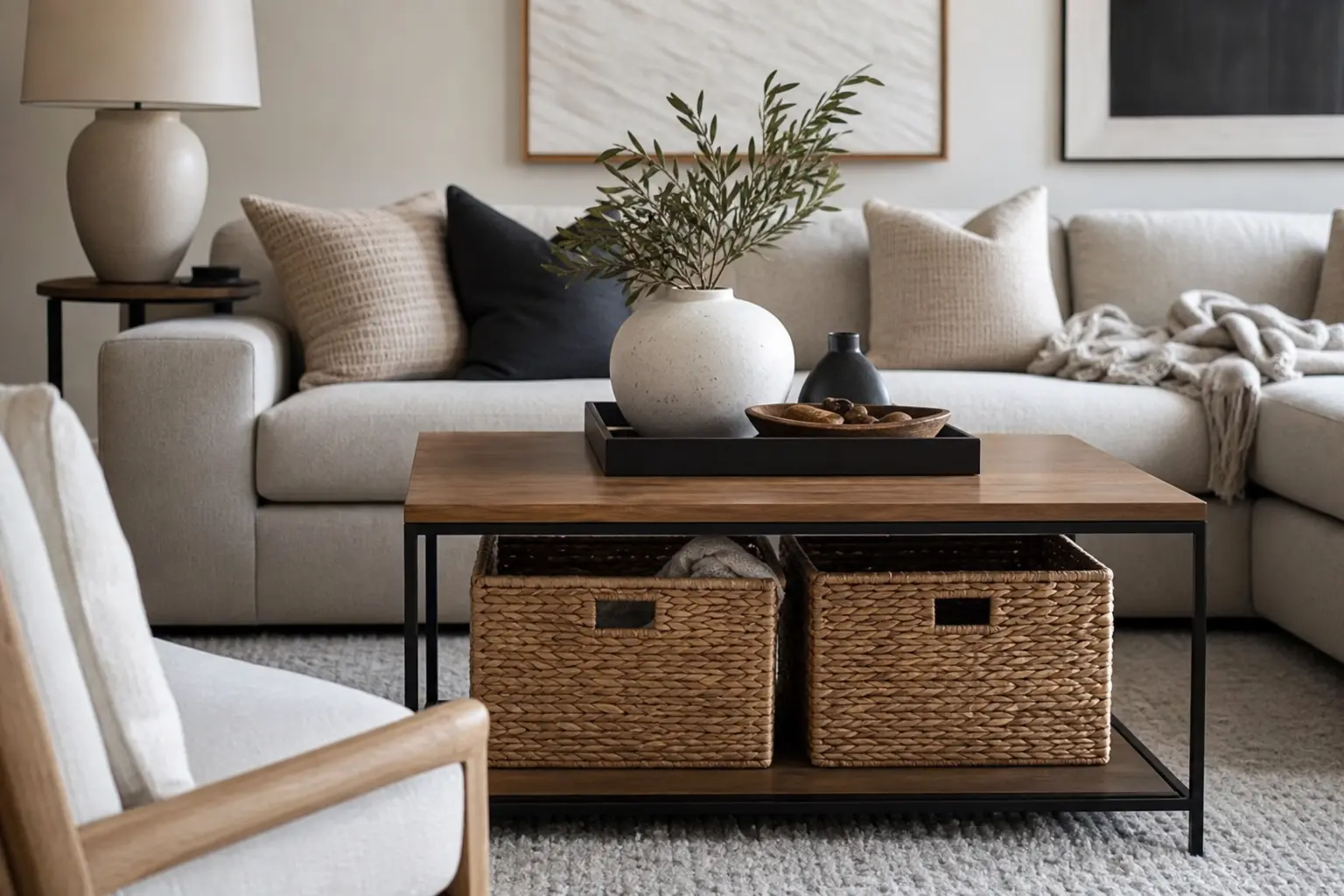
Scandinavian design values function as much as looks, and woven baskets, tucked beside a sofa or under a console table, give the room practical storage for blankets, toys, or magazines without needing a bulky cabinet. Choose baskets in a natural fiber like seagrass or rattan, since the woven texture fits naturally into the room’s overall material palette.
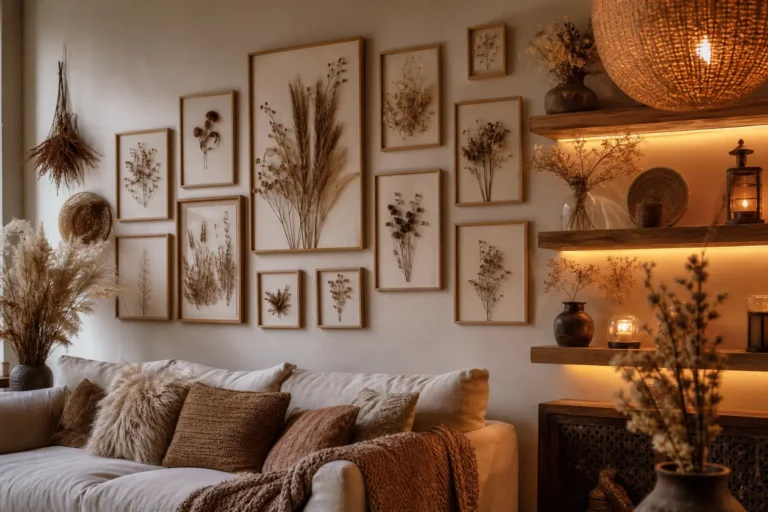
8. Minimal Gallery Wall in Natural Frame Tones
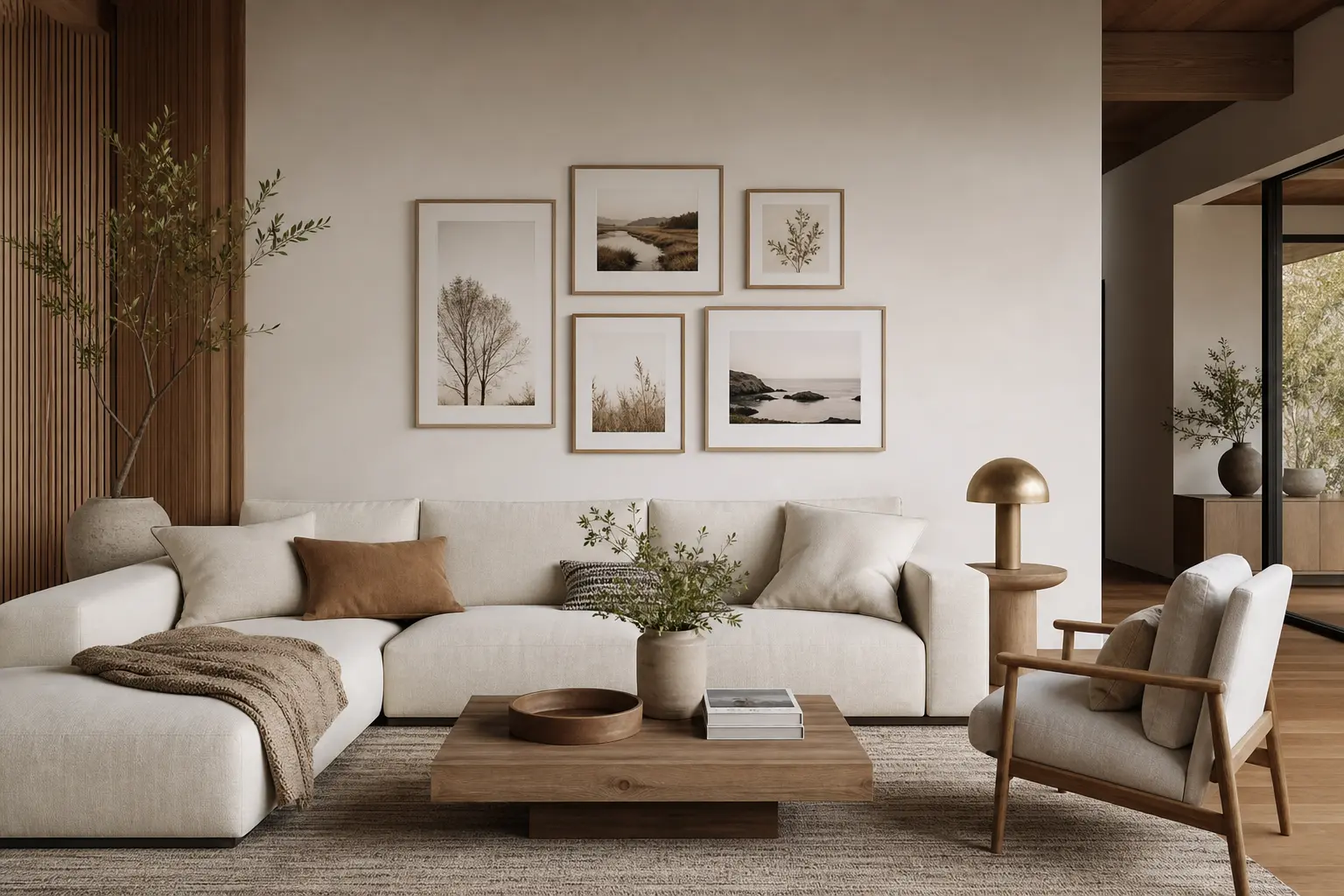
Rather than a busy gallery wall with mismatched frames, choose a small cluster of three to five pieces, all in similar light wood or matte black frames, spaced generously apart rather than packed tightly together. This restrained approach to displaying art suits the overall quiet, considered feel of the room far better than a dense, eclectic wall would.
9. Layered Throws and Cushions in Tonal Neutrals
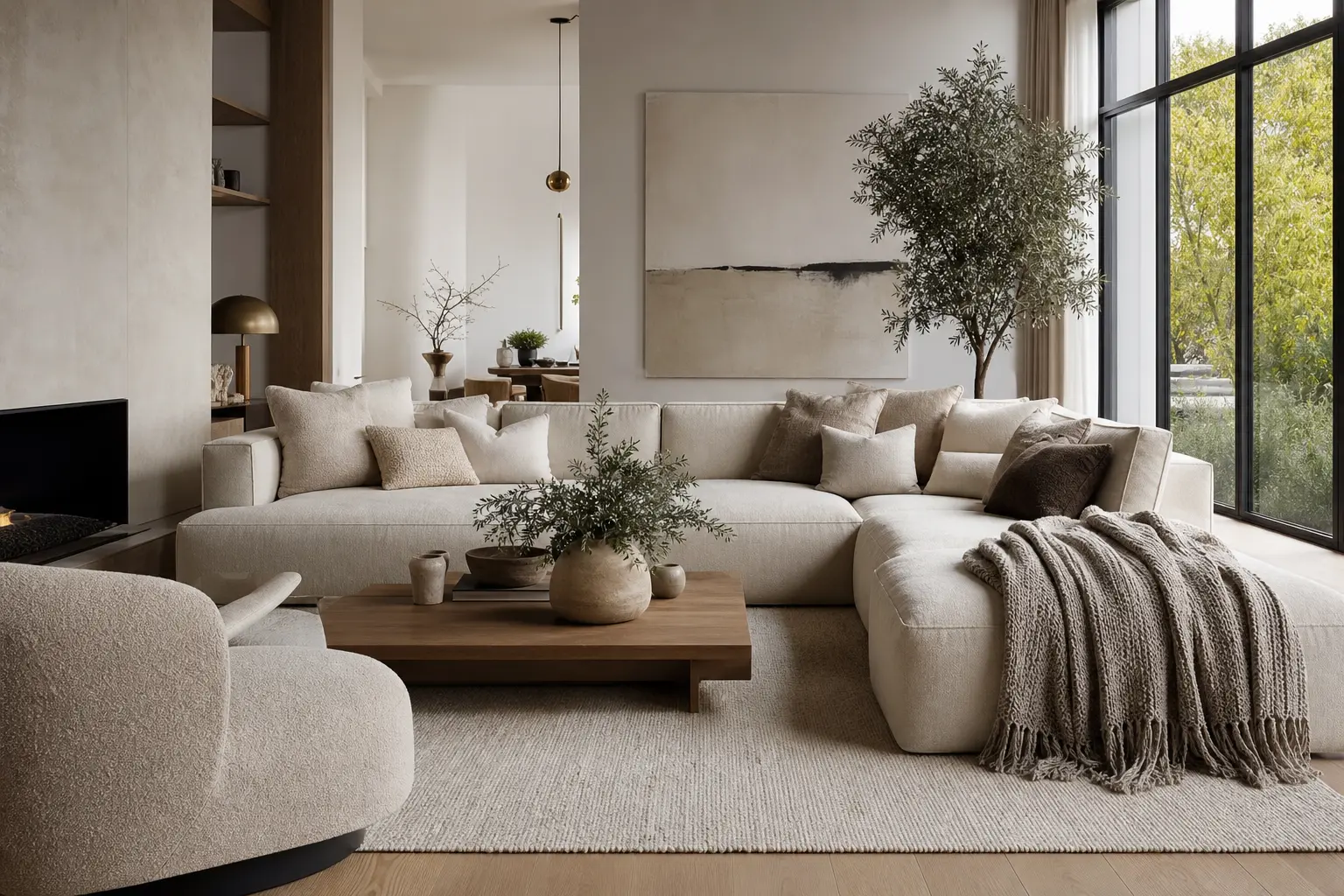
Mix a few different textures, wool, boucle, linen, across the throw pillows and blankets on the sofa, all within a similar tonal range rather than introducing bold contrasting colors. This layering technique adds depth and coziness to the seating area without disrupting the calm, neutral palette the rest of the room is built around.
10. Statement Ceramic Vase as a Quiet Focal Point
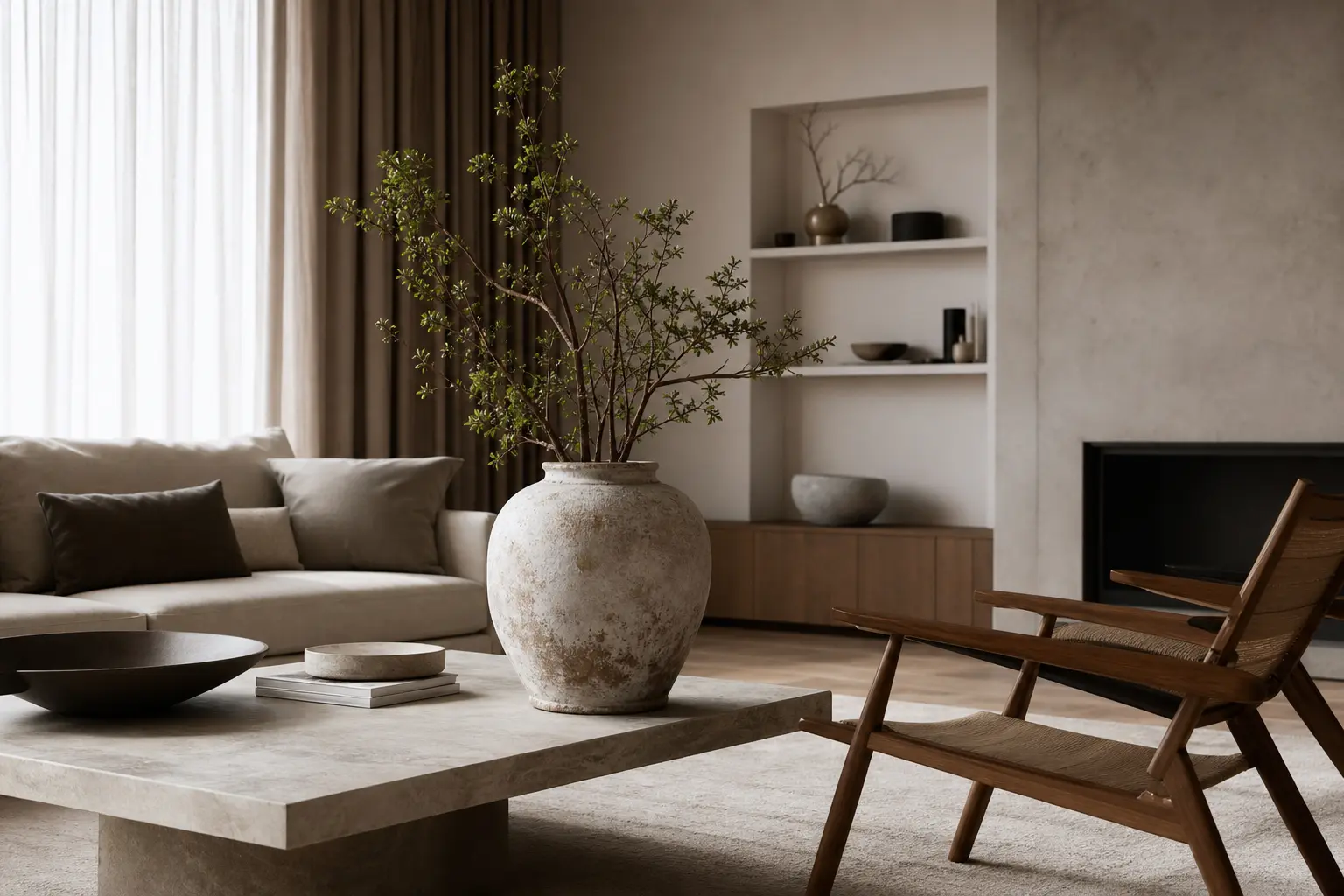
A single large ceramic vase, in an organic, slightly irregular shape and a warm neutral glaze, works as a quiet focal point on a console table or coffee table. Scandinavian decor tends to favor one substantial, well made object over several smaller decorative items, and a vase with real presence fills that role without needing to compete with anything else in the room.
Mistakes to Avoid
- Overfilling a Scandinavian living room with too many decorative objects, which works against the restraint the style depends on
- Choosing furniture with sharp, angular lines instead of the softer, rounded silhouettes the style typically favors
- Using synthetic materials in place of natural wood, wool, and linen, which can undercut the tactile quality central to the aesthetic
- Blocking natural light with heavy drapery instead of sheer or lightweight window treatments
- Mixing too many different wood tones throughout the room, which can look mismatched rather than intentionally layered
- Choosing bold, saturated colors that clash with the otherwise calm, neutral foundation of the room
Frequently Asked Questions
What defines Scandinavian style furniture? Scandinavian furniture generally features natural materials, light wood, wool, linen, simple silhouettes without heavy ornamentation, and a focus on both function and comfort rather than purely decorative design.
Does a Scandinavian living room need to be all white? No, though the style does lean heavily on neutral tones, warm whites, soft grays, and beiges tend to dominate, sometimes paired with muted accent colors like sage green or dusty blue in smaller doses.
Is Scandinavian design expensive to achieve? It can be, especially with authentic designer furniture pieces, but the overall aesthetic can also be achieved on a more moderate budget by focusing on natural materials and simple silhouettes rather than specific brand names.
How do I keep a Scandinavian living room from feeling too sparse? Texture is the key here, layering wool, boucle, linen, and wood throughout the room adds warmth and depth even with a fairly minimal number of actual objects in the space.
Can Scandinavian design work in a smaller living room? Yes, and in some ways it suits smaller rooms particularly well, since the light colors, natural materials, and lack of clutter tend to make a small space feel more open rather than cramped.
Conclusion
A Scandinavian living room proves that genuine luxury doesn’t require excess. Natural materials, a calm neutral palette, and a handful of well chosen, well made pieces do more for a room’s overall feel than a space crowded with decor ever could. These living room ideas show how much warmth and character restraint can actually bring to a space, as long as every piece left in the room is chosen with real intention.