10 Modern Scandinavian Living Room Ideas with Cozy Gray Sofa Interiors
You bought a gray sofa because it looked calm and sophisticated in the showroom, but sitting in your living room now it just reads as flat and a little cold, especially without much else going on around it. Modern Scandinavian living room ideas built around a cozy gray sofa fix that by layering warmth through texture, wood tones, and lighting so the gray becomes a calm foundation rather than the room’s only note. The sofa itself was never really the problem, it just needed the right supporting cast around it.
1. Understand Why Gray Sofas Need Deliberate Warmth Around Them
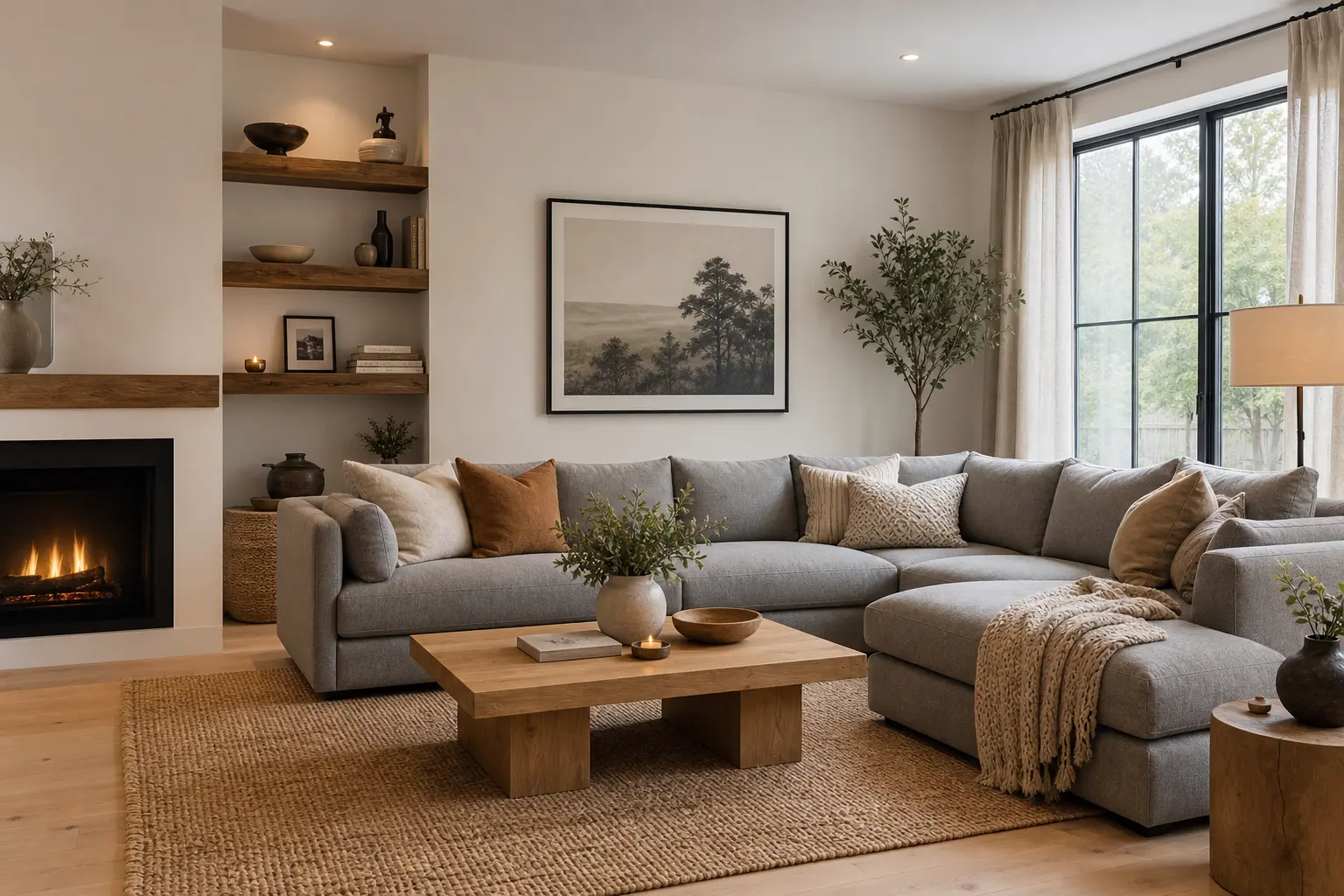
Gray is a neutral, but it’s not automatically a warm one, and a room built entirely around gray upholstery with no other warmth introduced can start to feel sterile rather than calm. Scandinavian design in particular leans into gray as a foundation precisely because the style traditionally pairs it with warm wood, natural textiles, and soft lighting to balance out any coolness the color might otherwise bring. Skipping that balancing layer is the most common reason a gray sofa ends up feeling cold instead of cozy.
Think of the gray sofa as a blank, quiet base rather than the room’s finished statement on its own. Every other material choice in the room, from the coffee table to the throw pillows, gets to do the work of adding warmth back in. This mindset shift, treating gray as a starting point rather than a complete look, is really the foundation for everything that follows in a cozy Scandinavian living room.
2. Choose a Gray Sofa Tone That Leans Warm, Not Cool
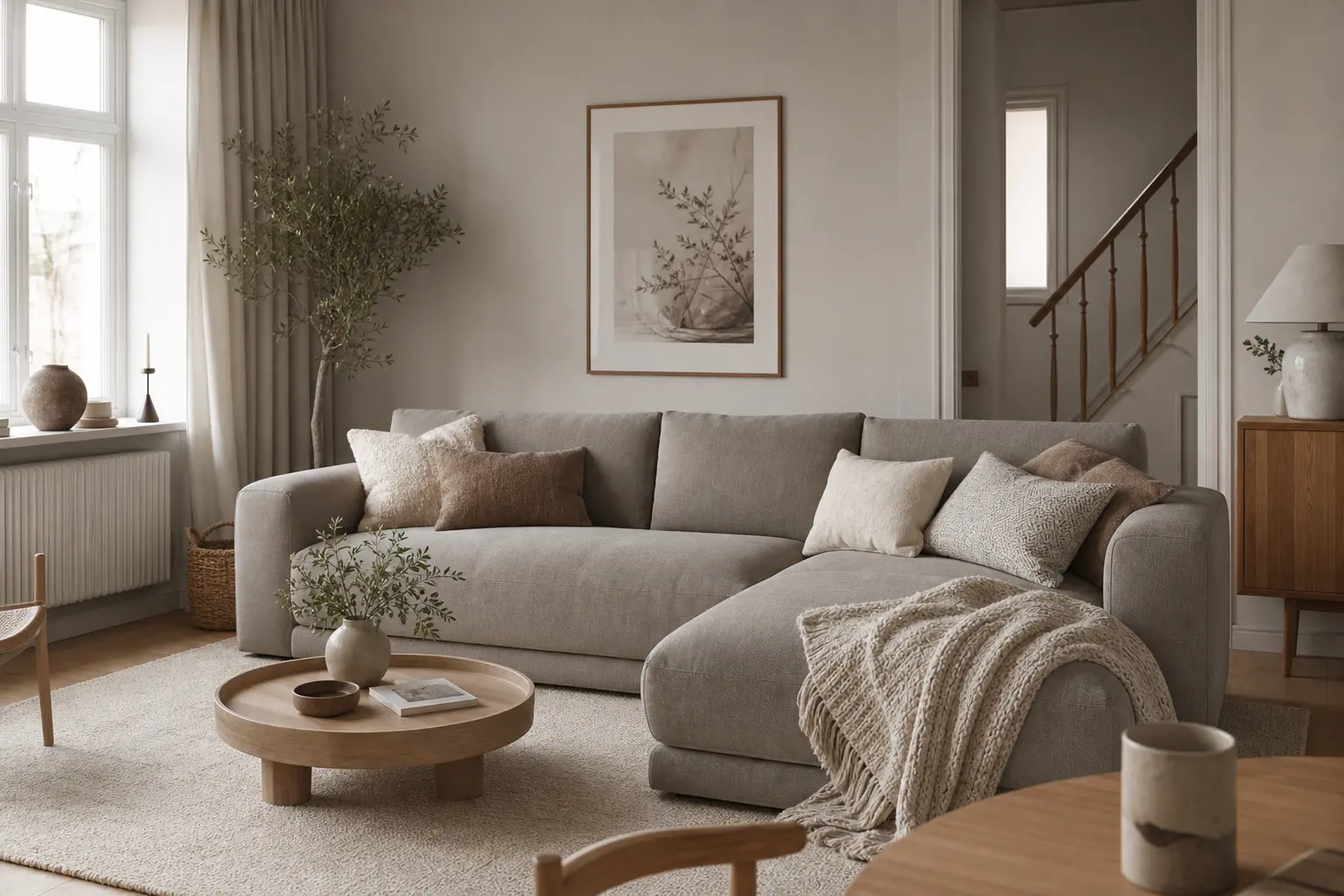
Not all grays read the same way, and a warm gray with subtle beige or taupe undertones will feel noticeably cozier in a room than a cool, blue toned gray straight out of the box. If you’re still shopping for the sofa, view fabric swatches in your actual room’s lighting before committing, since gray tones can shift dramatically between a showroom’s lighting and your own home’s natural light. A warm gray boucle or a nubby woven fabric also adds textural interest that a smooth, flat gray upholstery lacks.
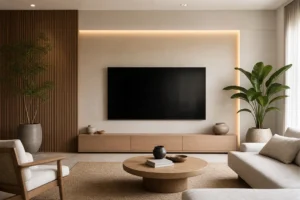
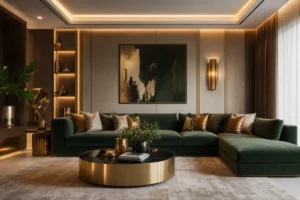
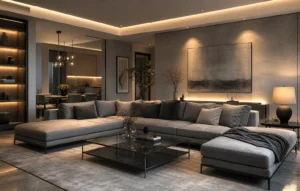
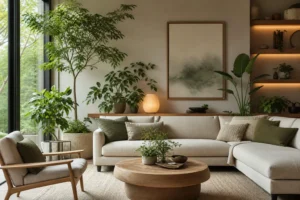
If you already own a cooler toned gray sofa, you can still warm up its overall effect significantly through the textiles and materials placed around it rather than replacing the piece itself. A few warm toned throw pillows and a wood framed side table can shift the sofa’s perceived warmth considerably without any change to the sofa itself. This flexibility means the sofa’s exact undertone matters less than the choices made around it.
3. Layer Texture With Throws and Mixed Pillow Fabrics
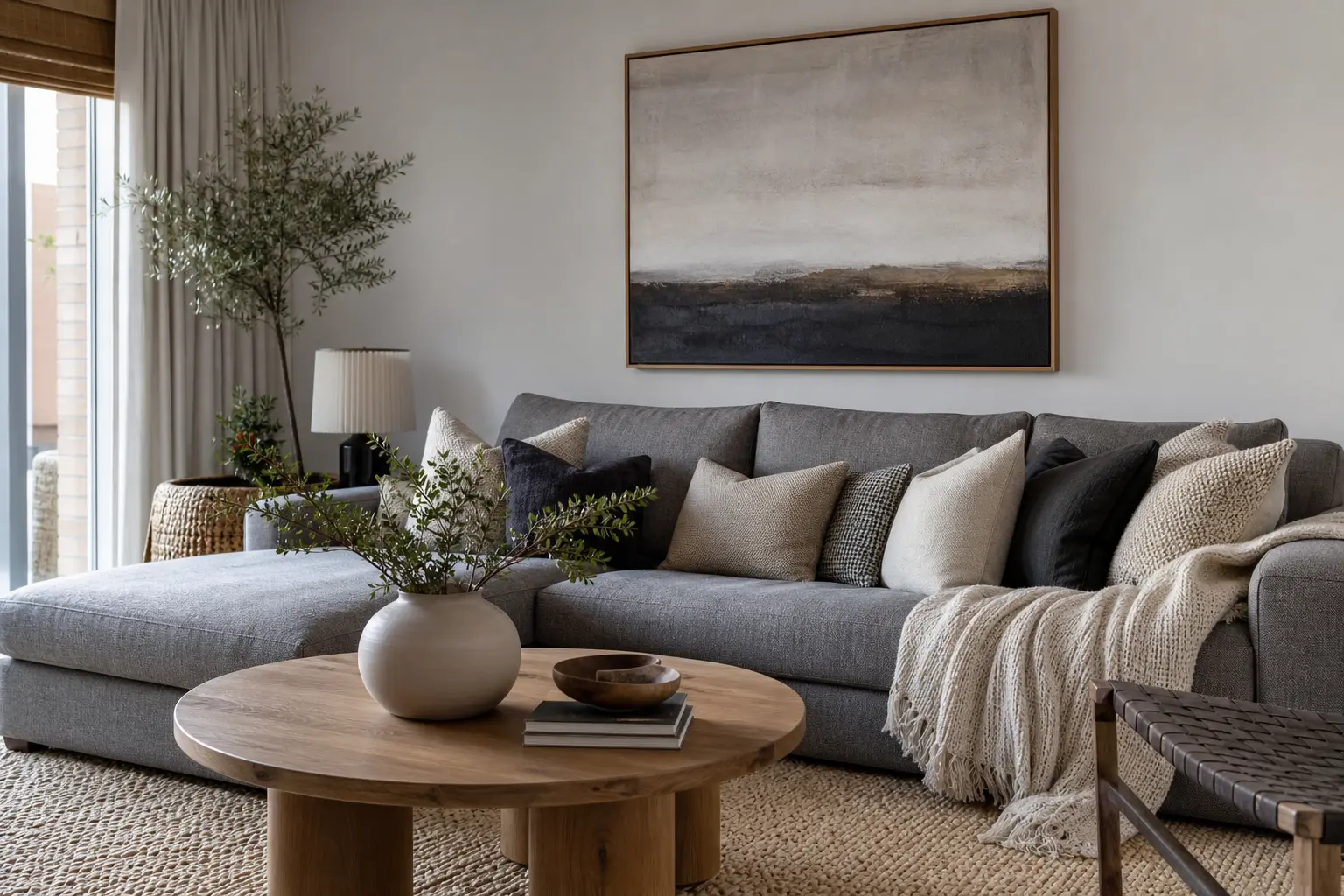
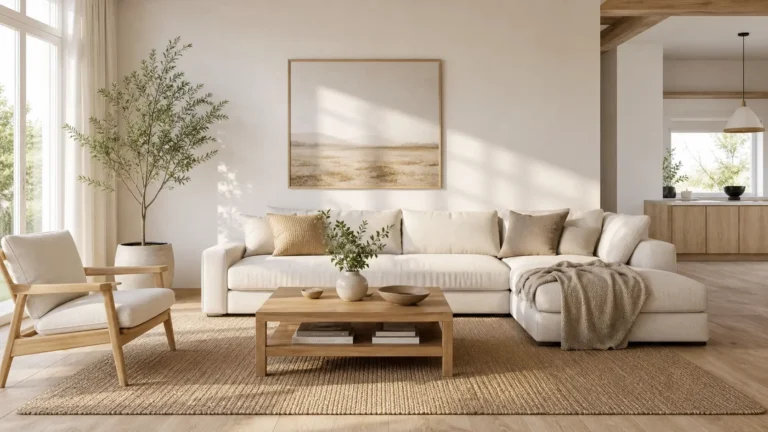
A chunky knit throw draped over one arm of the sofa adds immediate tactile warmth and visual texture against a smooth or lightly textured gray upholstery. Mix two or three pillow fabrics, a linen, a boucle, and a soft wool, rather than matching every pillow in the same material, since that variety is what keeps the sofa from reading as flat despite the neutral color palette. Keep the pillow and throw colors within a warm neutral family, cream, oatmeal, and a soft rust or terracotta, so the layering supports the gray rather than fighting it.
This kind of texture layering is one of the most effective, lowest cost ways to warm up a gray sofa, since it requires no new furniture and can be adjusted seasonally with minimal effort. Swap a lighter linen throw for a heavier wool one in colder months, or add a rust colored pillow in fall, without touching the sofa or any larger furniture piece. This flexibility is part of why texture layering remains such a reliable tool in Scandinavian styling specifically.
4. Pair the Sofa With Light Natural Wood Furniture
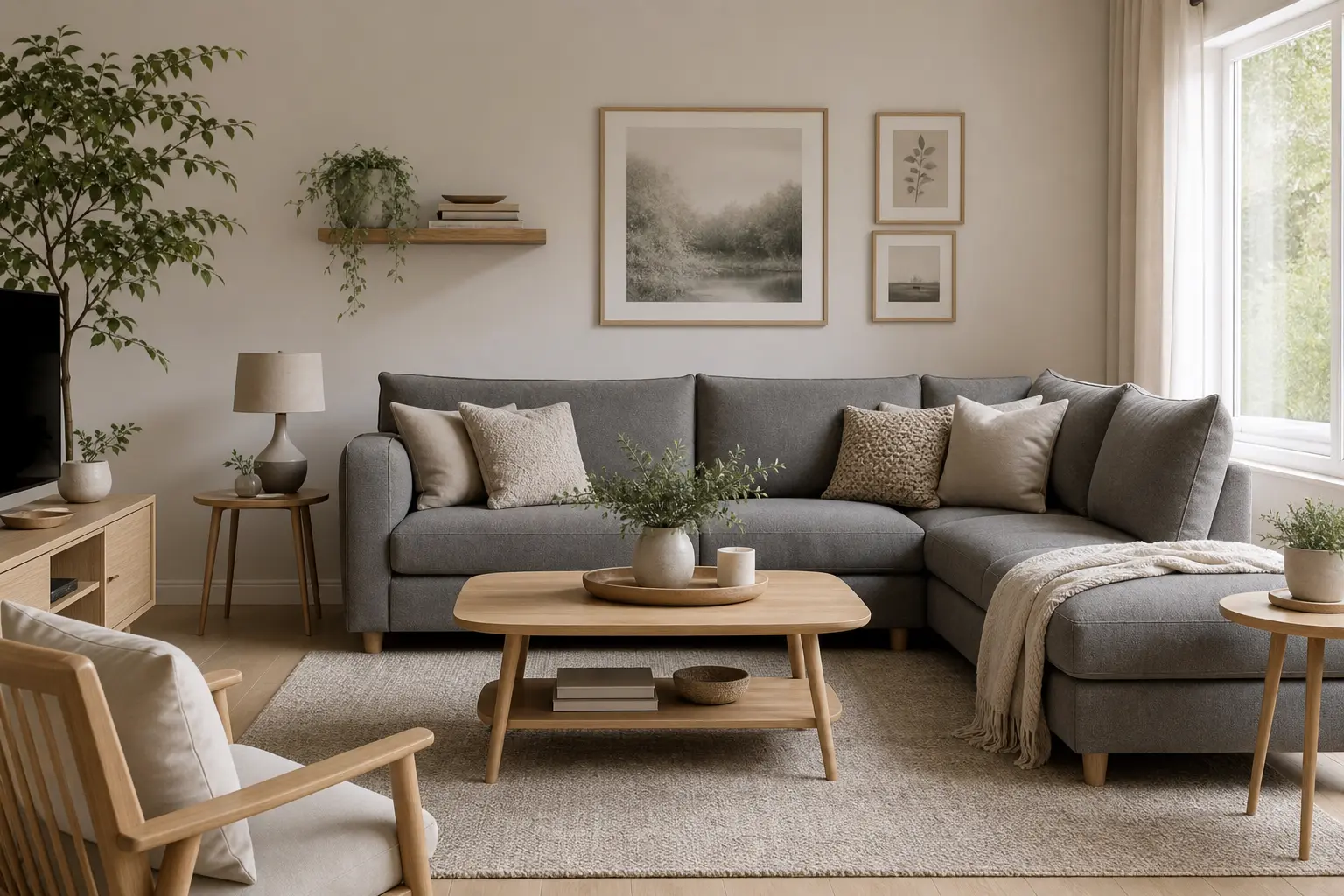
A light oak or ash coffee table and side tables introduce warmth through material contrast, since the wood’s natural grain and golden undertone directly counter any coolness in the gray upholstery. Choose furniture with visible wood grain rather than a painted or heavily lacquered finish, since that natural texture is part of what reads as warm and authentic in a Scandinavian setting. A wood framed accent chair near the sofa extends this material thread further into the seating area itself.
Keep the wood tones consistent across the room’s furniture pieces, since introducing several different wood tones, some warm and some cool, can undercut the cohesive feel a Scandinavian living room is going for. A single light wood family running through the coffee table, side tables, and any additional furniture ties the whole space together around the same warm foundation. This consistency matters as much as the wood choice itself.
5. Add a Wool or Jute Rug to Ground the Seating Area
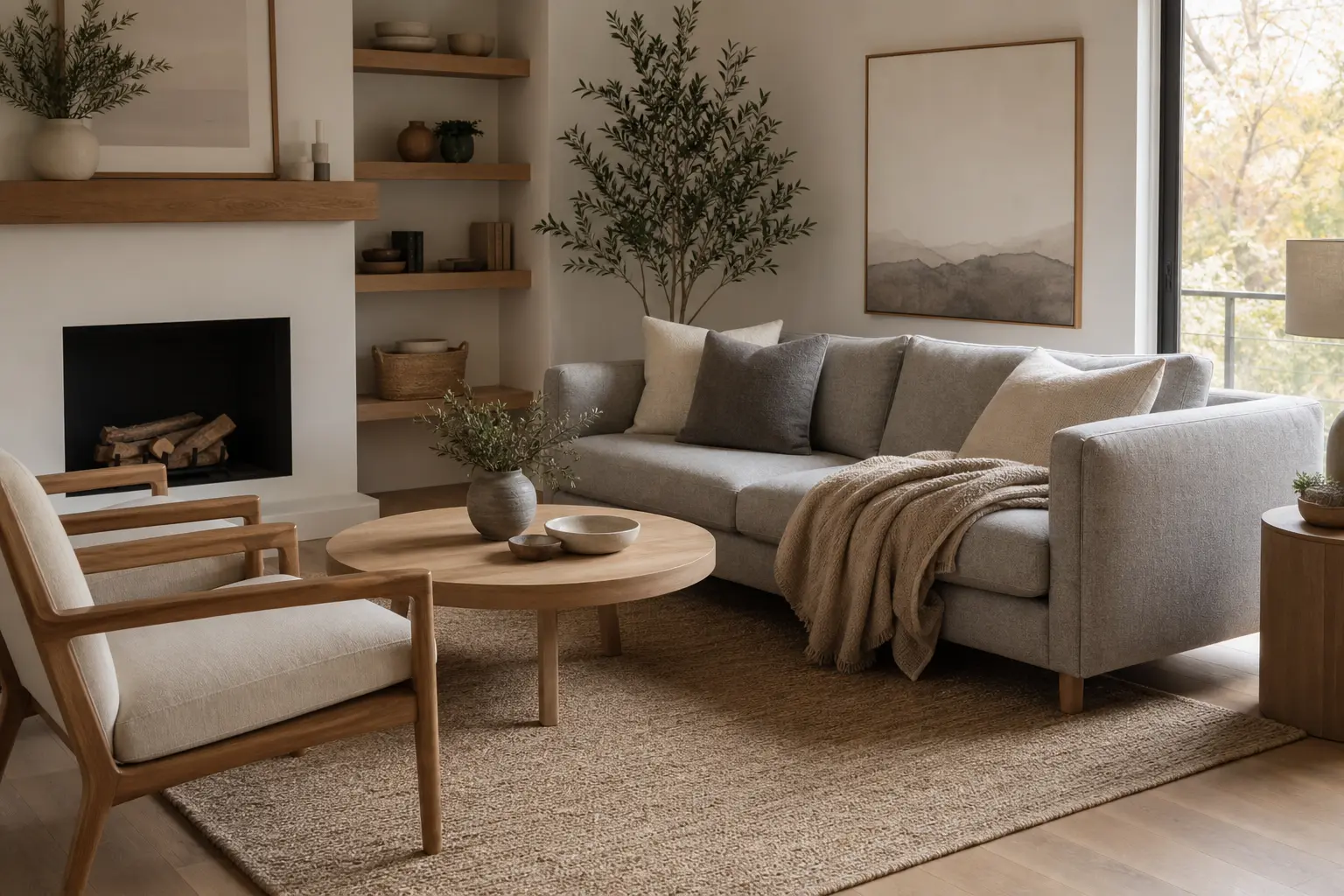
A rug beneath the sofa and coffee table grounds the whole seating arrangement and adds another layer of warmth underfoot, particularly important in a room with hard flooring like wood or polished concrete. Choose a rug large enough that at least the front legs of the sofa sit on it, generally requiring a rug at least 8 feet wide for a standard living room seating arrangement. A soft neutral wool rug adds plush warmth, while a jute rug offers a more textured, natural alternative suited to a slightly more relaxed room.
A subtle pattern or texture in the rug, rather than a completely flat solid color, adds visual interest at floor level without disrupting the room’s overall calm palette. This grounding layer is often underestimated in how much it contributes to a room’s overall coziness, since bare flooring beneath a seating area can make even a well styled sofa feel like it’s floating rather than settled into the space.
6. Use Warm Ambient Lighting Instead of One Overhead Fixture
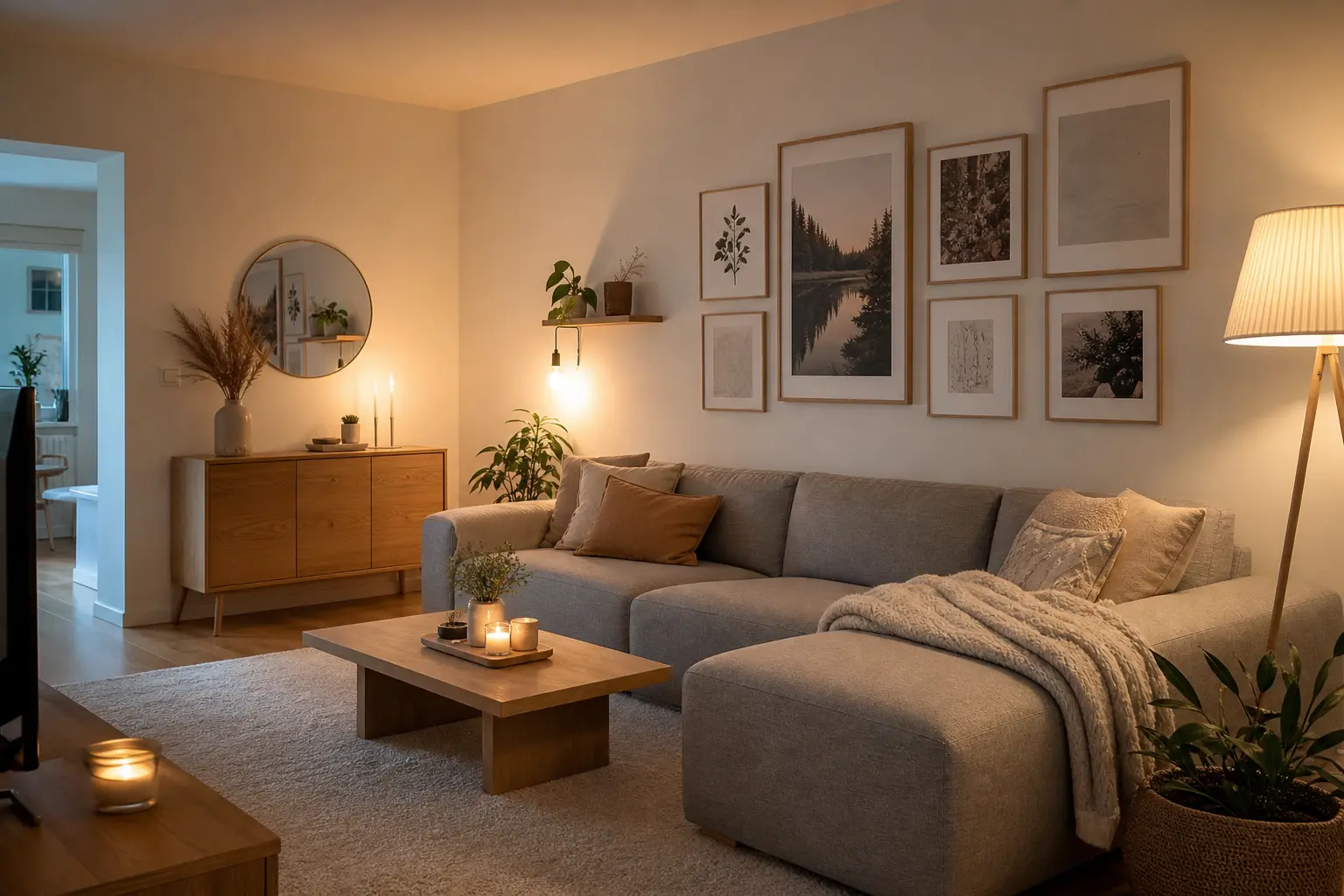
A single overhead ceiling fixture creates flat, even light that does little to flatter a gray sofa or make the room feel cozy in the evening. Layer in a floor lamp near the sofa and a table lamp on a side table, both with warm 2700K to 3000K bulbs, so the room has several sources of soft, warm light rather than one central, often harsher source. This layered lighting approach is standard across most well designed living rooms, but it matters even more in a room built around a neutral gray palette that benefits from warm light to avoid feeling cold.
Dimmable lamps add further flexibility, letting the room shift from a brighter daytime setting to a much softer evening glow. A warm light source directly beside the sofa, whether a floor lamp or a table lamp on a nearby side table, does particular work toward making that seating spot feel like a genuinely inviting place to sit and read or unwind.
7. Bring in a Few Plants for Organic Softness
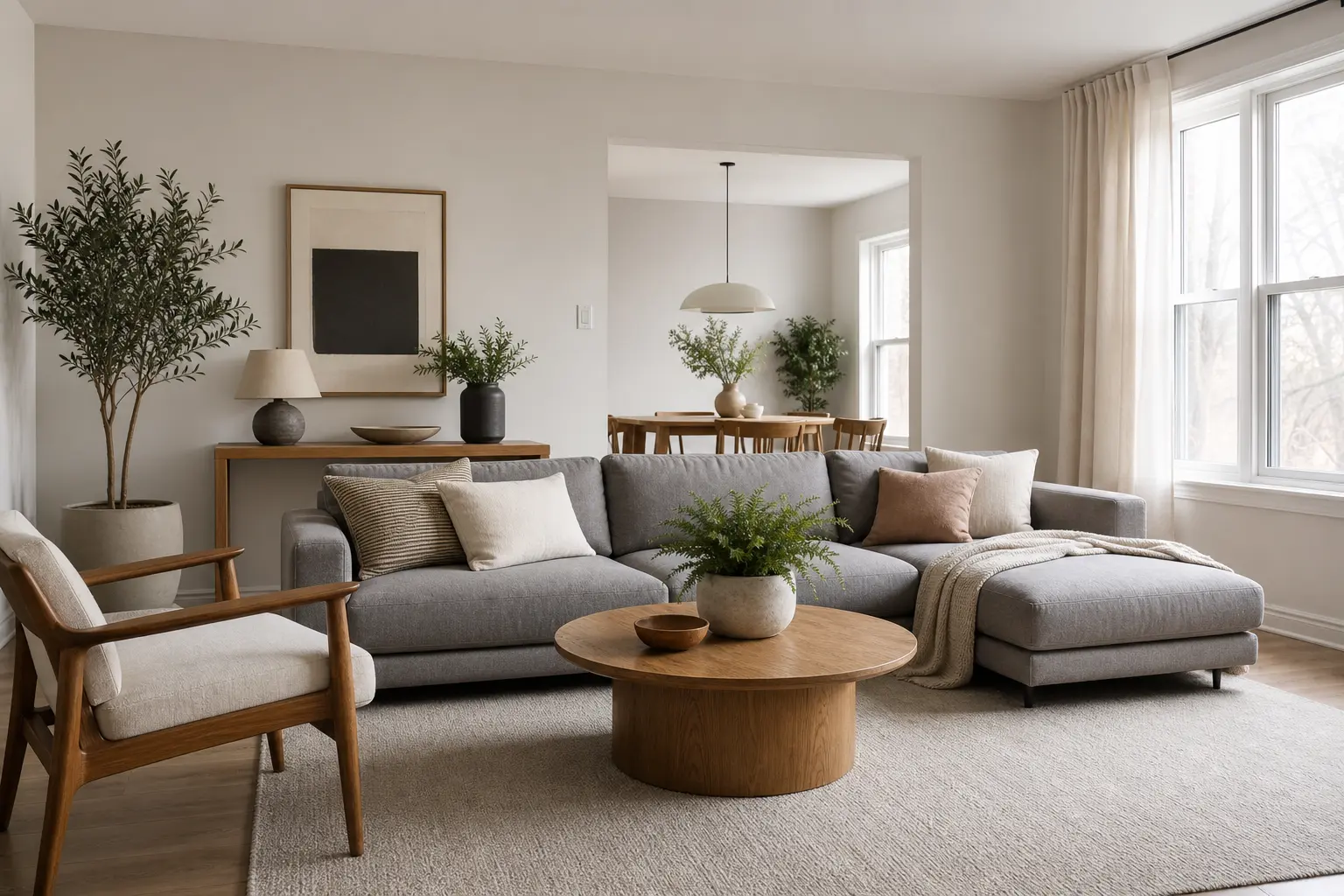
A plant or two near the sofa, whether a floor standing fiddle leaf fig or a smaller potted plant on a side table, introduces organic life and softness that balances out a room otherwise built from fairly structured, neutral materials. Plants also add a natural green tone that works well against gray upholstery and warm wood furniture without disrupting the room’s overall restrained palette. Choose a plant scaled appropriately to the space, a taller floor plant for an empty corner or a smaller tabletop plant if floor space is limited.
This addition doesn’t need to be extensive to make a difference, since even one well placed plant adds a noticeable amount of life to a room that might otherwise feel a bit static. Keep the plant’s pot in a simple, neutral material, terracotta or a matte ceramic, so it fits within the room’s existing warm, natural material palette rather than introducing an unrelated style.
8. Keep Wall Colors and Art Warm and Restrained
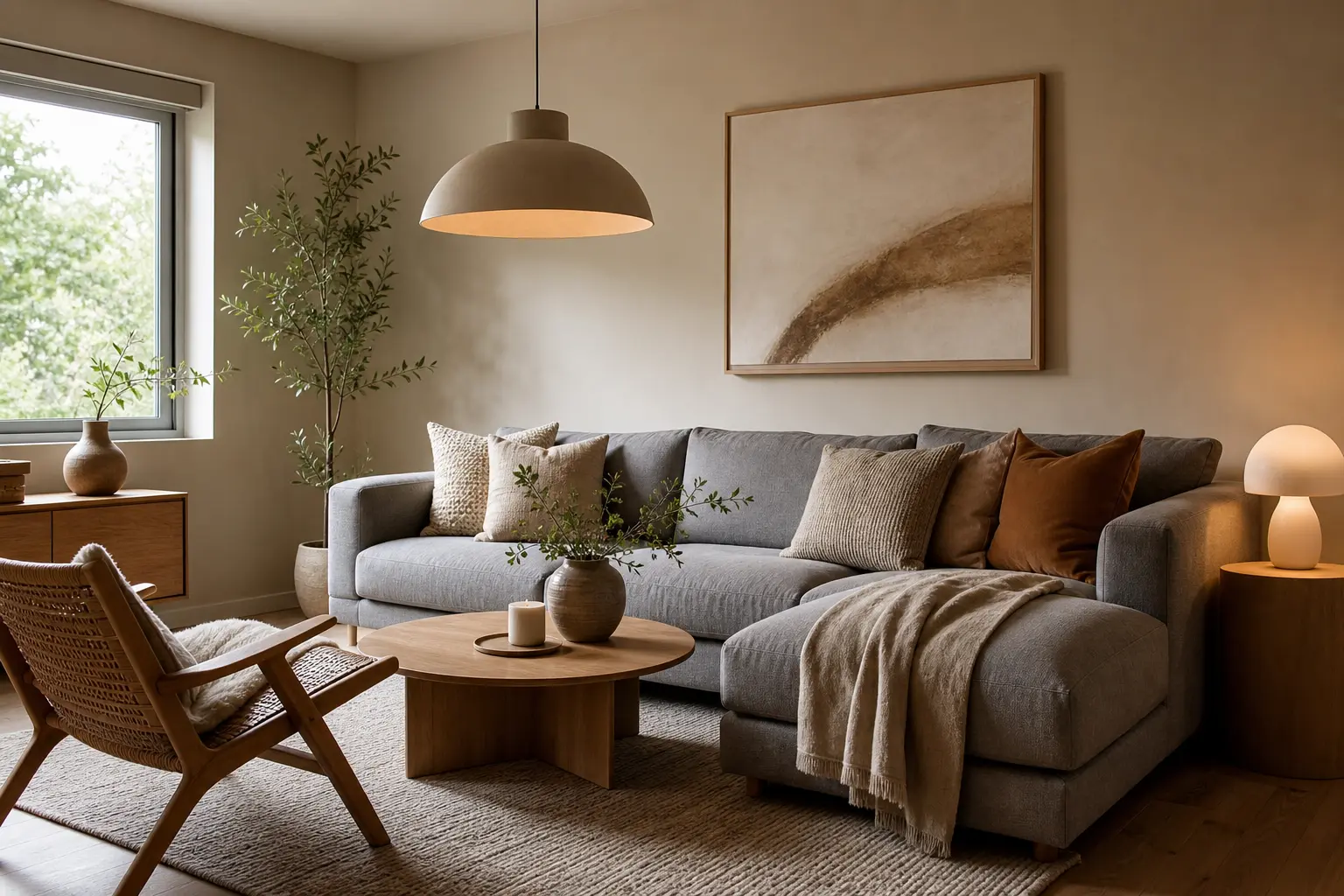
A warm off white or very soft greige wall color supports a gray sofa far better than a stark, cool white, since the wall color sets the overall temperature for the whole room before any furniture or textiles even come into play. Avoid a wall color with strong blue or green undertones, which can push the room’s overall feel toward cold no matter how much warmth gets layered in elsewhere. Test paint swatches in the room’s actual lighting at different times of day before committing to a full wall.
If adding art above the sofa, choose pieces in warm, muted tones, earthy abstracts or botanical prints, rather than anything in a cool, stark color palette that would work against the warming effect established elsewhere in the room. A single well chosen piece, sized appropriately to the sofa’s width, generally works better here than a cluster of smaller frames in a room already built around calm restraint.
9. Add One Considered Accent Color for Depth
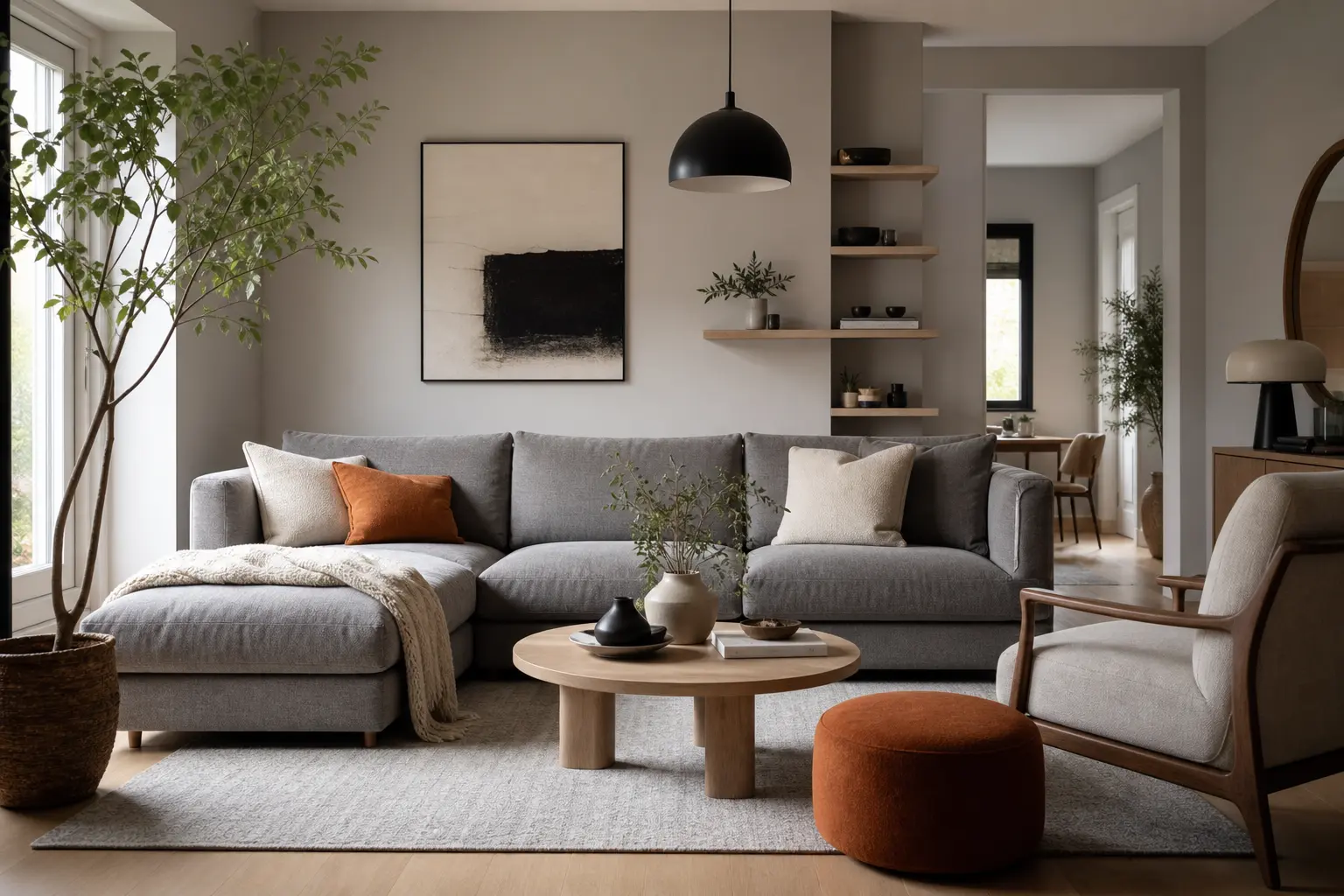
A single accent color, repeated in just two or three spots, gives a gray and wood based Scandinavian living room a bit of depth and personality without disrupting its overall calm restraint. A soft rust, dusty sage green, or deep terracotta all work well against gray and light wood, since these tones read as warm and earthy rather than bold or jarring. Repeat this color in a throw pillow, a piece of pottery, and perhaps one small area of art, so it feels woven through the room rather than appearing as a single isolated pop.
Resist the temptation to add a second or third accent color alongside the first, since Scandinavian style specifically benefits from a tightly limited palette rather than several competing colors. One well chosen, consistently repeated accent tends to read as more elevated and considered than a wider color scheme layered into the same neutral base. This restraint is part of what keeps the room feeling calm even with a bit of color introduced.
10. Avoid Overcrowding the Space With Too Much Gray
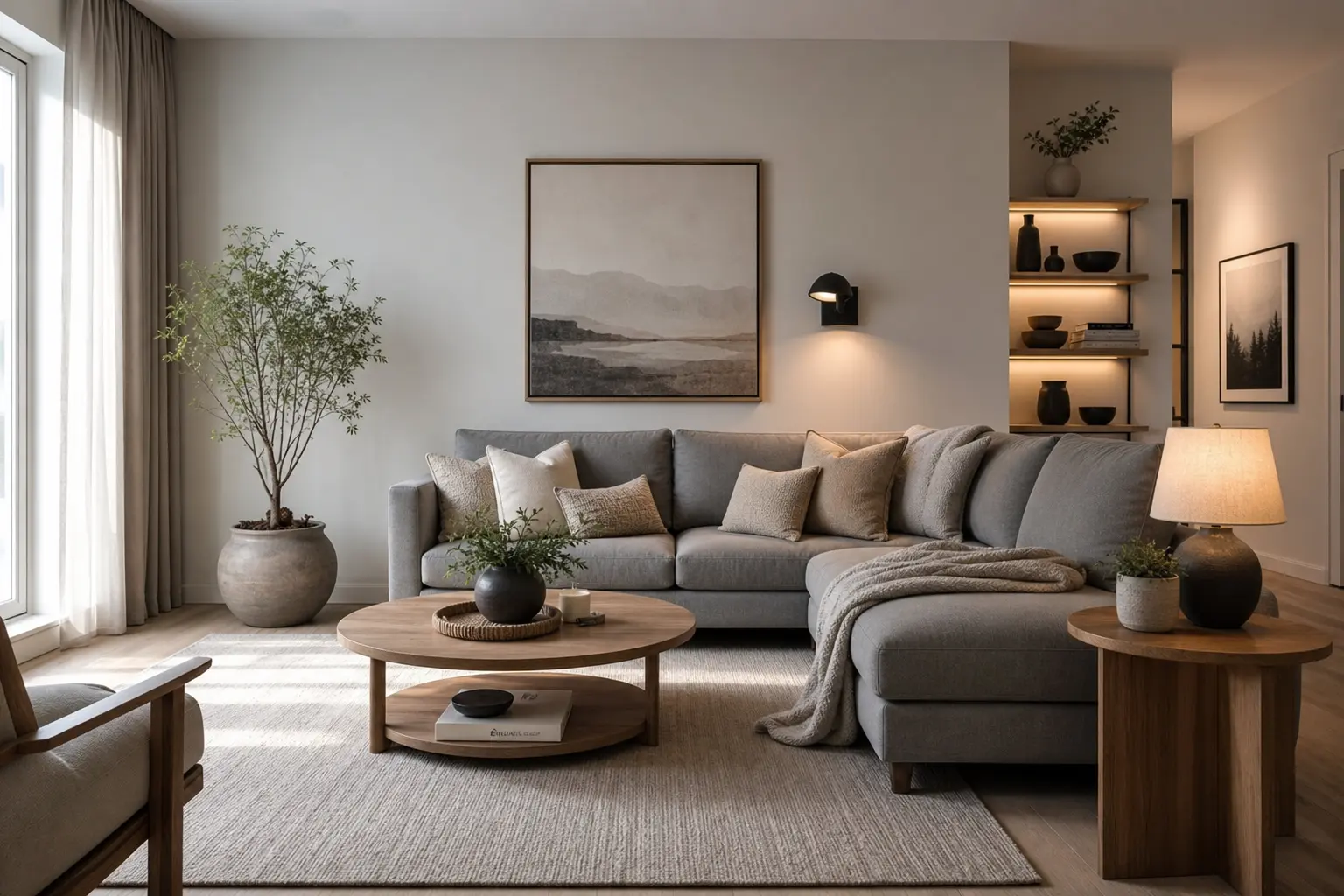
While a gray sofa is the room’s foundation, repeating gray too heavily across the rug, curtains, and additional furniture can flatten the whole space and undercut the layered warmth built up through wood and texture. Limit gray to one or two key pieces, generally the sofa and perhaps one accent chair, rather than letting it dominate every surface in the room. This restraint lets the wood tones, warm textiles, and accent color actually stand out against the gray rather than blending into a monochrome wash.
If you’re drawn to gray throughout the room, vary the shade and texture between pieces rather than repeating the exact same tone, since even subtle variation keeps the room from feeling flat. A charcoal throw pillow against a lighter dove gray sofa, for instance, still reads as a considered color story rather than a single repeated note. This small variation is often what keeps an otherwise gray heavy room from tipping into visual monotony.
Mistakes to Avoid
- Choosing a cool, blue toned gray sofa fabric without testing it under your room’s actual lighting
- Leaving the sofa without any texture layering, resulting in a flat, one dimensional look
- Mixing several different wood tones across the room’s furniture instead of staying consistent
- Relying on a single overhead fixture instead of layering warm lamp lighting around the seating area
- Choosing a wall color with cool blue or green undertones that fights the room’s overall warmth
- Skipping a rug, which leaves the seating area feeling disconnected from the rest of the floor
Frequently Asked Questions
How do I know if a gray sofa fabric will look warm or cool in my room? Bring a fabric swatch into your actual living room and view it under your typical lighting at different times of day, since gray undertones can shift significantly between a showroom and your own space.
What wood tone pairs best with a gray sofa? Light oak or ash tones generally pair well with gray upholstery, since the wood’s natural warmth directly balances the cooler neutral tone of the sofa.
Do I need to replace my sofa if it already reads as too cold? Not necessarily, since layering warm textiles, wood furniture, and ambient lighting around an existing gray sofa can shift its perceived warmth considerably without any new furniture purchase.
What rug size works best under a sofa and coffee table? A rug at least 8 feet wide generally allows the sofa’s front legs to sit on the rug, which helps ground the whole seating arrangement.
Can a Scandinavian living room include color beyond gray and wood tones? Yes, a single considered accent color, like a soft rust or sage green, repeated in a couple of spots adds depth without disrupting the room’s overall calm, neutral foundation.
Final Thoughts
A modern Scandinavian living room with a cozy gray sofa works because the gray becomes a calm foundation that warm wood, layered textiles, and soft lighting build upon, rather than the room’s only visual note. Start with the sofa’s undertone and the wall color, since those two elements set the overall temperature for everything else in the room. Layer in texture, wood furniture, and warm lighting in stages, checking that the room still feels cozy rather than sparse after each addition.