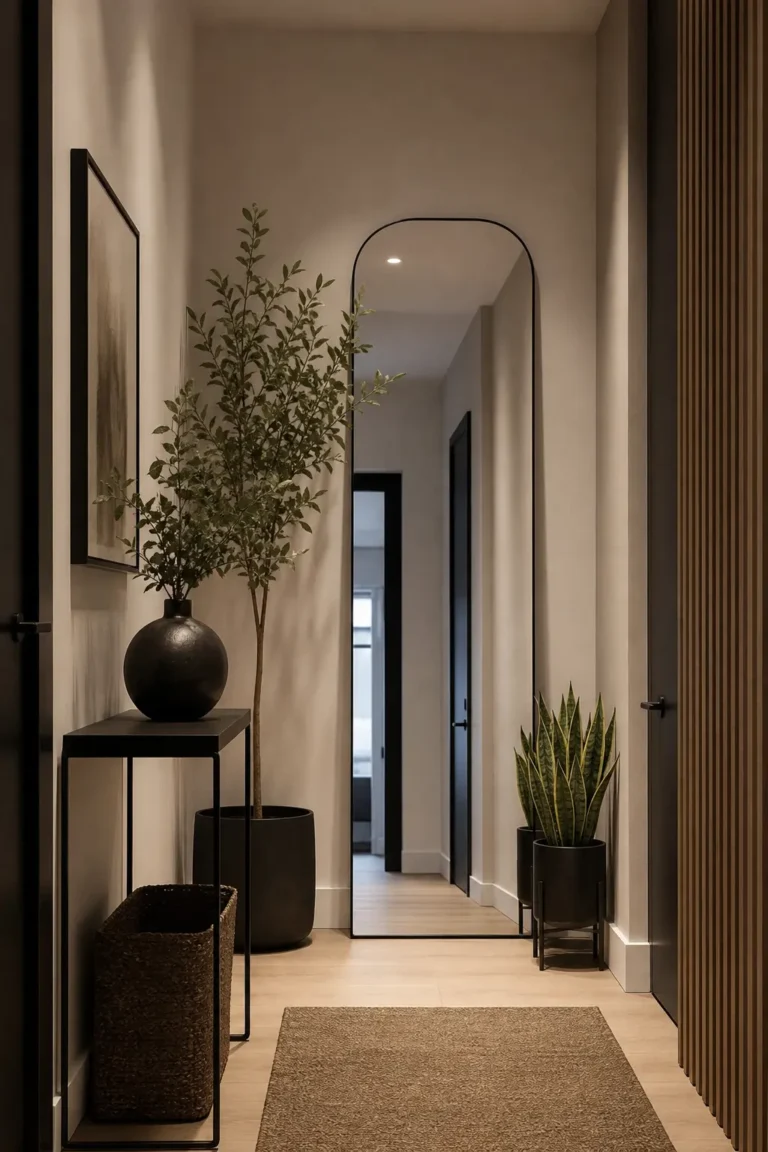
10 Cozy Reading Nook Ideas for Small Spaces | Small Apartment Reading Corner Inspiration
Your apartment doesn’t have a spare room. It barely has a spare corner. But every time you scroll past a photo of a built in window seat with cushions and shelves, you wish there was some version of that for your own space. There is. These cozy reading nook ideas focus on small, real corners rather than dream layouts, so a small apartment reading corner becomes something you can actually build this weekend.
1. Choose a Nook Location That Uses Unused Space
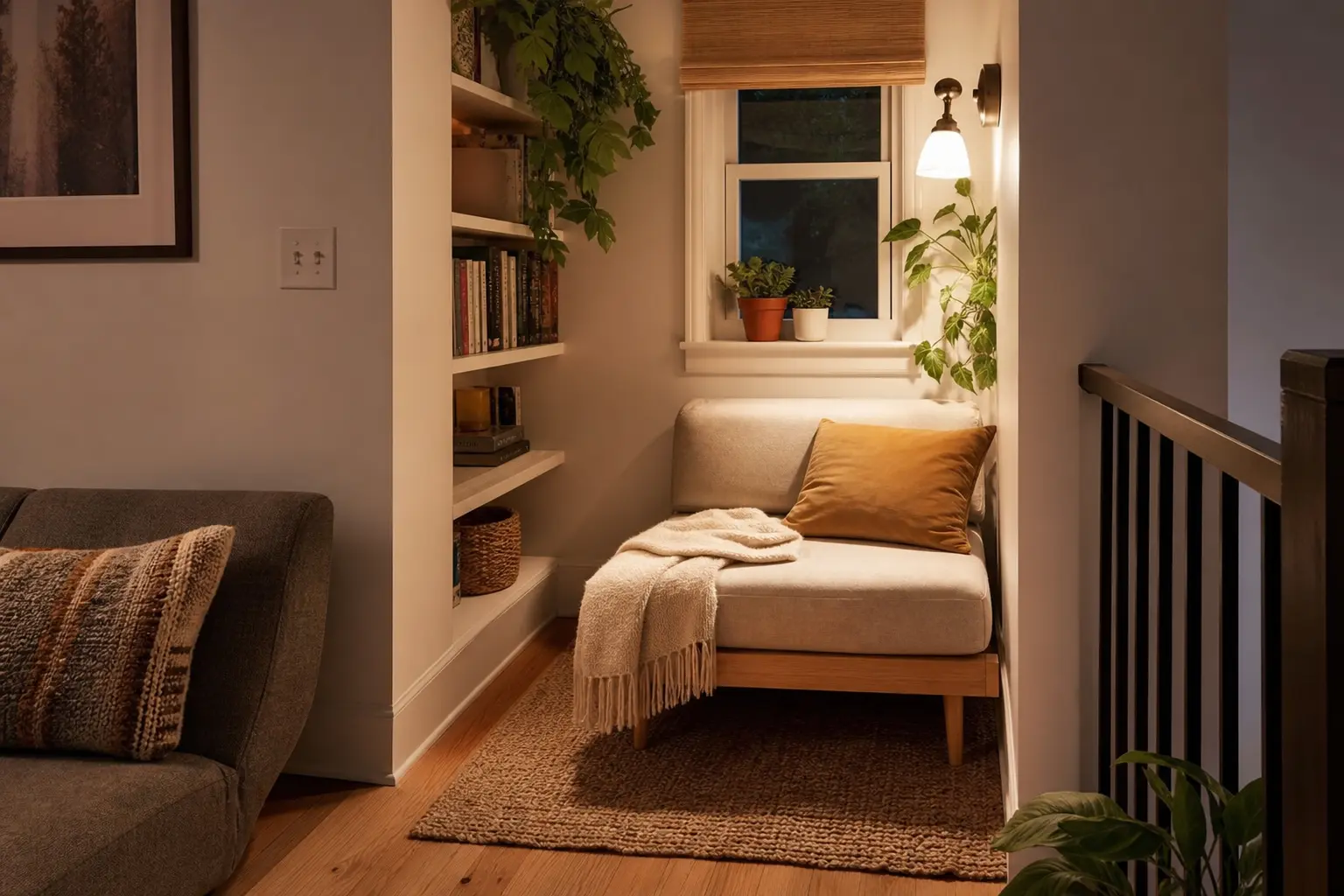
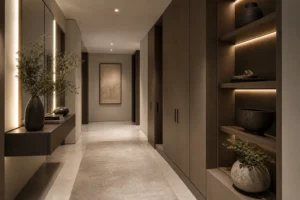
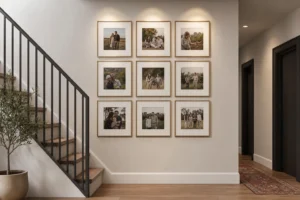
Look for spots that already sit empty or underused. A wide window ledge, the end of a hallway, or even part of a closet with the doors removed can all work as a reading corner. The goal is finding square footage you’re not currently using for anything else.
Measure the space before shopping for furniture. A nook that’s only 24 inches wide needs a very different chair than one with a full 4 feet to work with, and knowing your real dimensions first prevents a return trip to the store.
Corners Worth a Second Look
A dead corner beside a bookshelf, the space under a stairwell, or even a wide section of hallway near natural light are often overlooked simply because they don’t look like “a room.” Once furnished with intention, though, they read as a genuine feature rather than leftover space.
2. Pick a Chair or Seat Sized for a Small Footprint
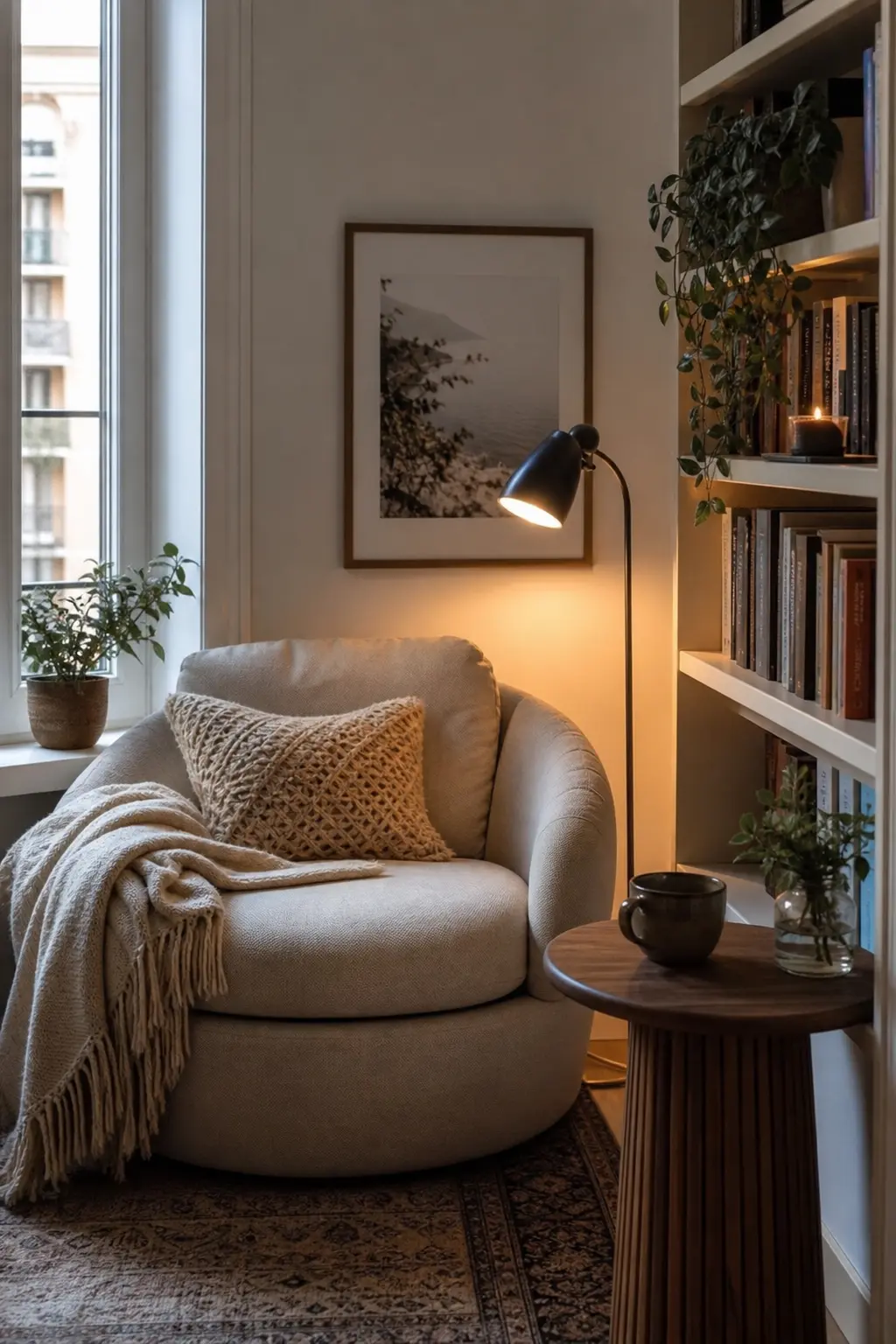
A slim armchair, a papasan style chair, or even a floor cushion setup can all work well in a compact space where a full sized chair would feel cramped. Look for seating with a narrow profile and legs that lift it slightly off the floor, since this keeps the whole nook feeling lighter visually.
If floor space is extremely tight, a built in window seat cushion is often the most space efficient option, since it doesn’t require any additional footprint beyond the ledge itself.
3. Add Layered Lighting for Evening Reading
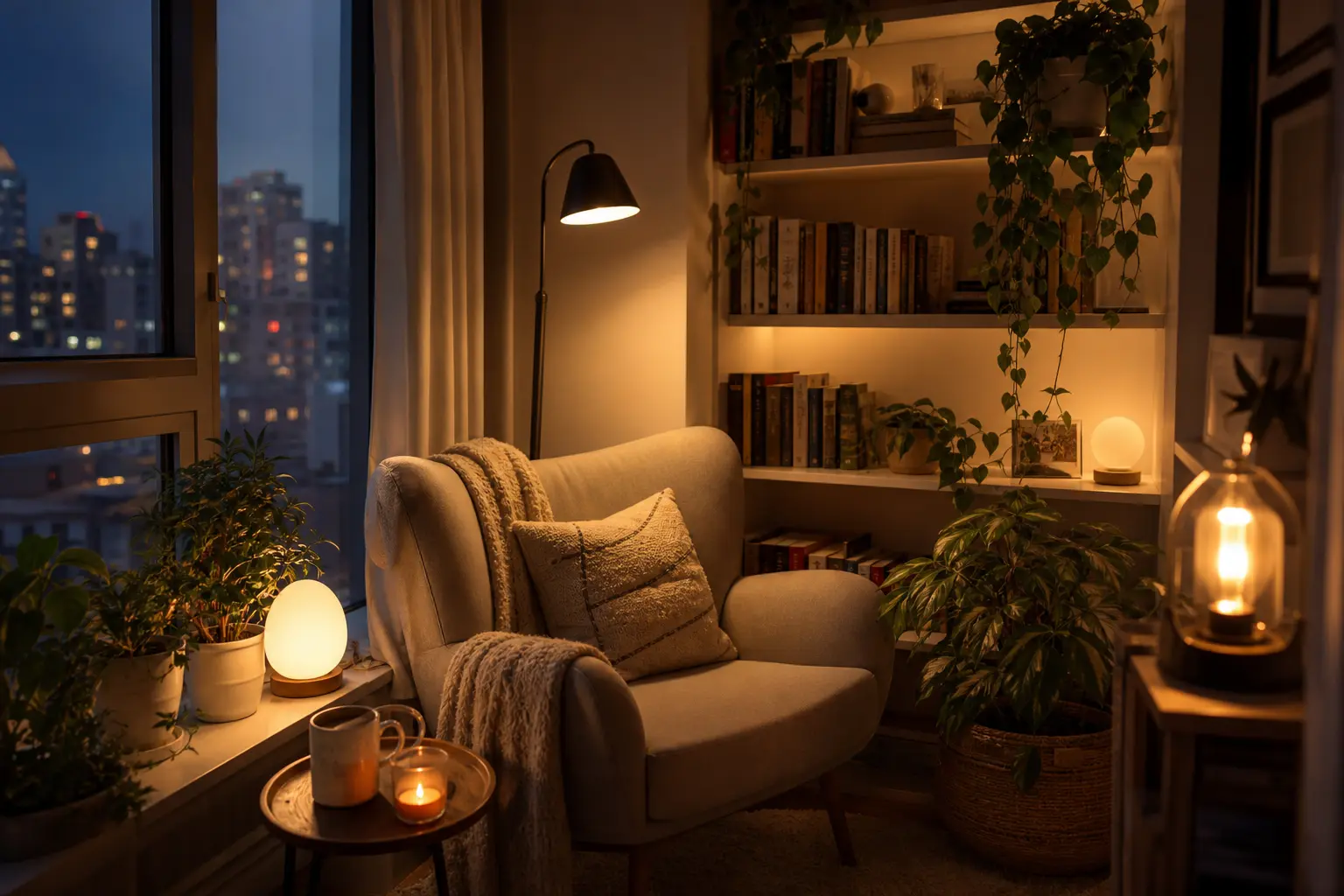
A single overhead light rarely provides the focused, comfortable glow needed for reading. A small clip lamp, a slim floor lamp, or a wall mounted swing arm light positioned just behind or beside the seat gives you direct light without needing extra floor space for a bulky lamp base.
Choose a warm color temperature, generally around 2700K to 3000K, since this tends to feel more relaxing for evening reading than a cooler, brighter light.
4. Choose a Rug That Defines the Nook Without Bulk
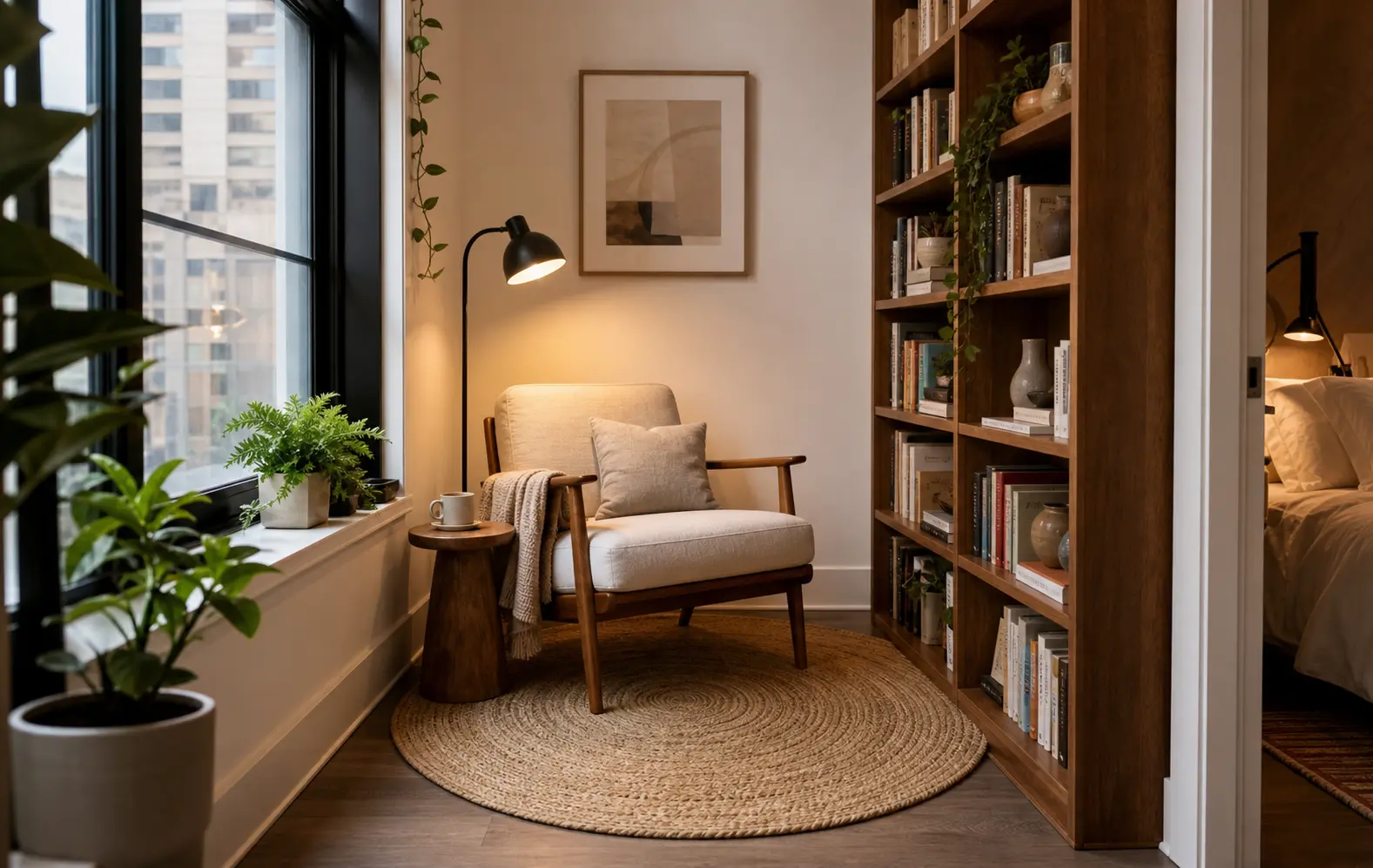
A small rug placed under the chair helps visually separate the reading nook from the surrounding room, even without a physical wall between them. In a tight space, a low pile rug works best since it won’t create a tripping hazard or feel bulky underfoot.
A rug roughly 2 by 3 feet is often enough to define a single chair nook, without needing to cover a large section of floor that a small apartment likely can’t spare.
5. Add Storage That Keeps Books Within Reach
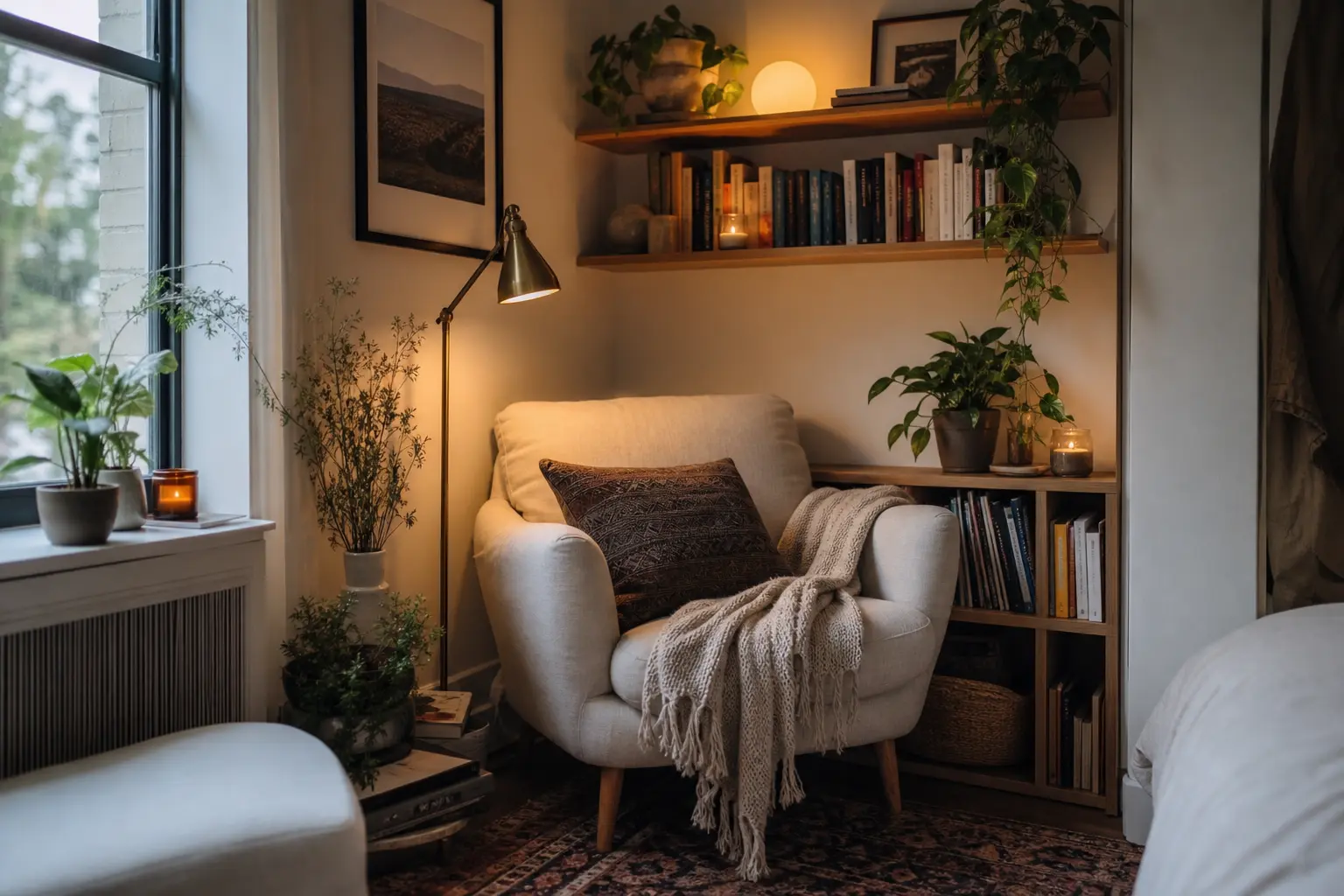
A small wall mounted shelf, a slim rolling cart, or even a simple stack of floor baskets can hold a rotating collection of books without needing a full bookshelf. Keeping only a handful of current reads nearby, rather than an entire library, suits a compact nook much better.
If wall space allows, a single floating shelf directly above or beside the chair keeps books within easy reach without adding floor clutter.
6. Use a Small Side Table for Function in Tight Space
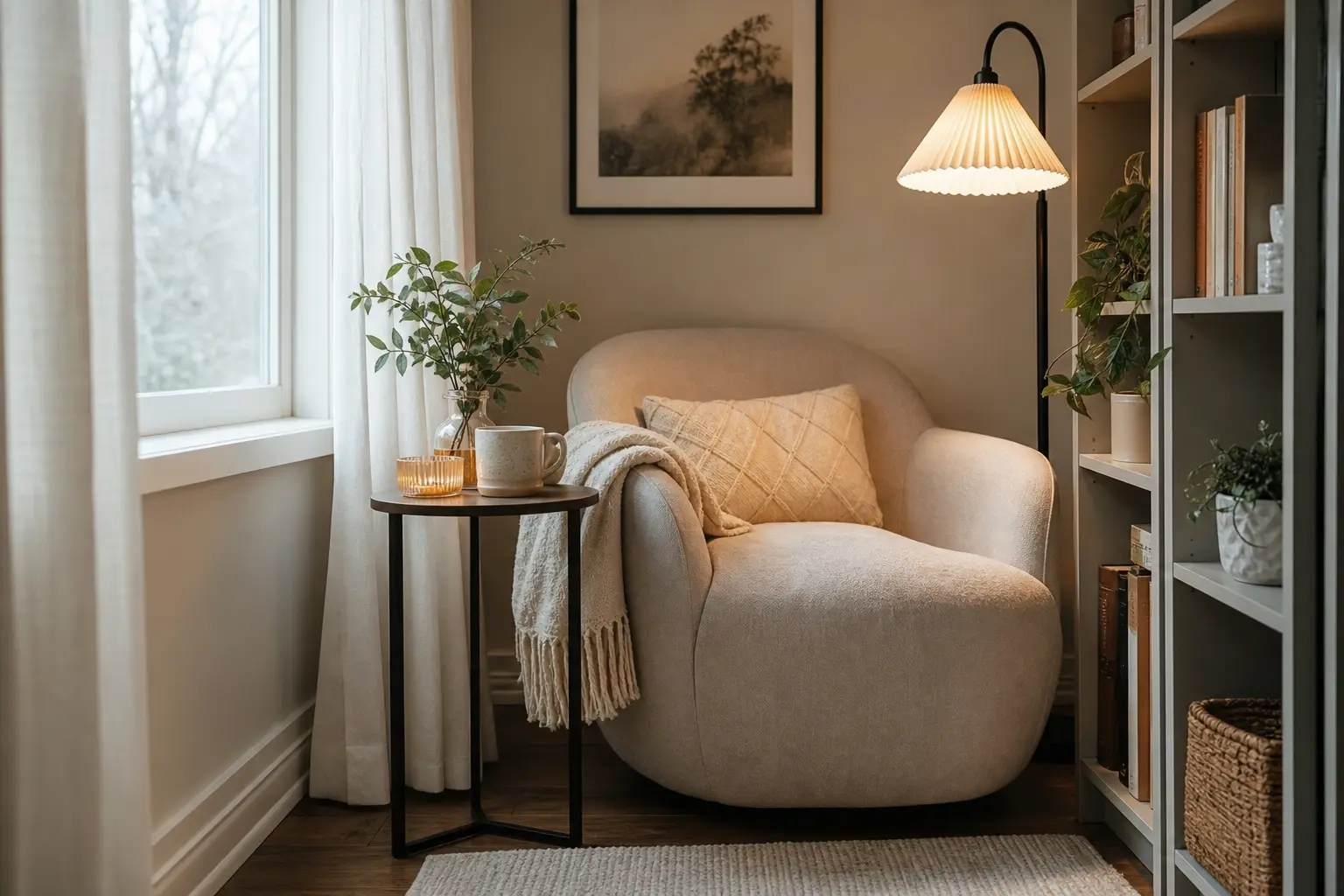
A small round or square side table, even one as compact as 12 inches wide, gives you somewhere to set down a mug or a phone without leaving it on the floor. Look for a table with a slim profile so it doesn’t compete for space with the chair itself.
A nesting table set is a practical choice here too, since you can tuck the smaller table away when it’s not needed and pull it out only when you’re actually sitting down to read.
7. Add Texture Through Pillows and a Throw Blanket
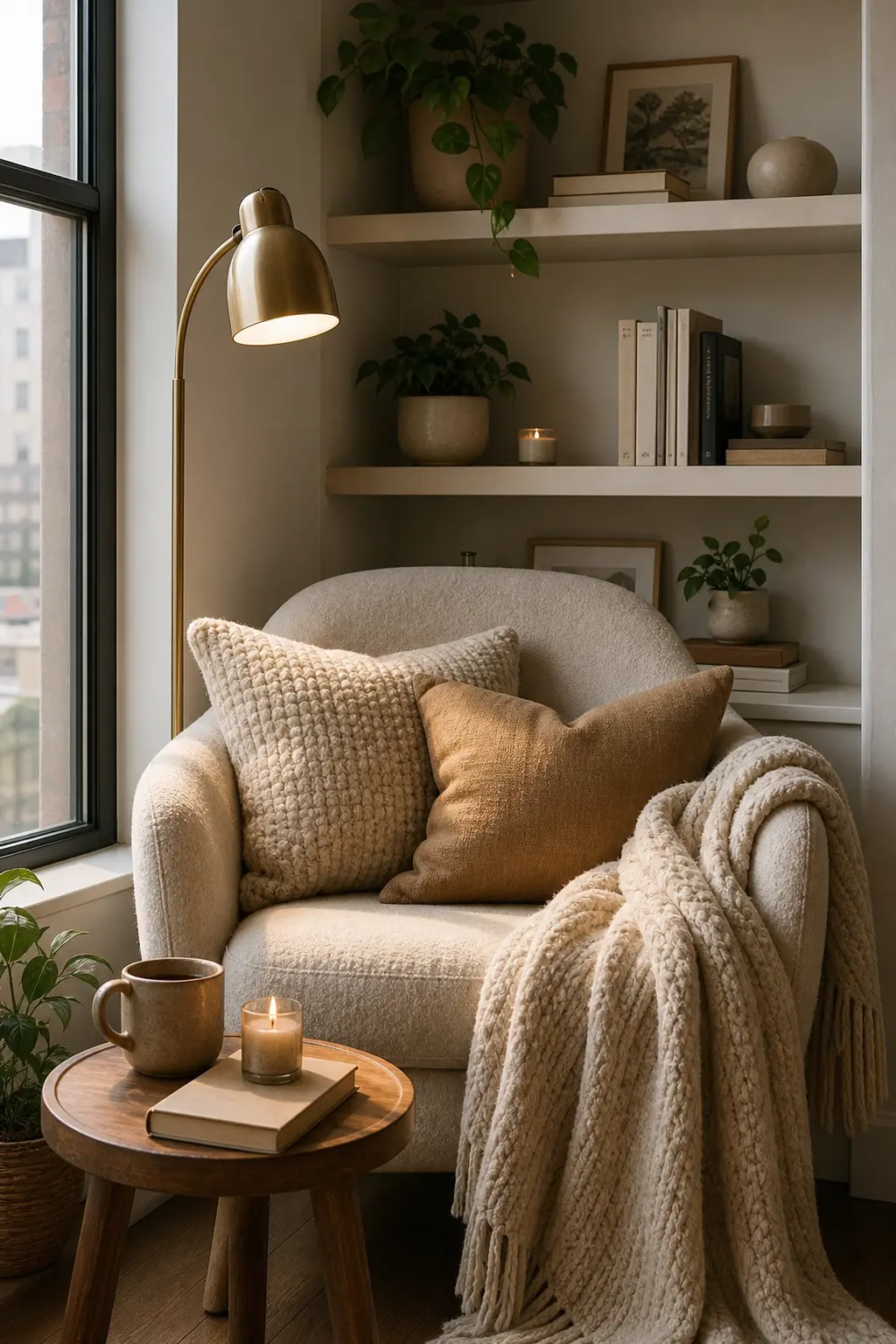
One or two pillows and a folded throw blanket add comfort and visual warmth without taking up meaningful floor space. Choose textures like wool or knit, since they read as cozy even in a small, simple setup.
Keep the color palette limited to two or three tones, so the small textiles feel intentional rather than like scattered leftover pieces from elsewhere in the apartment.
8. Choose Curtains or a Room Divider for Privacy
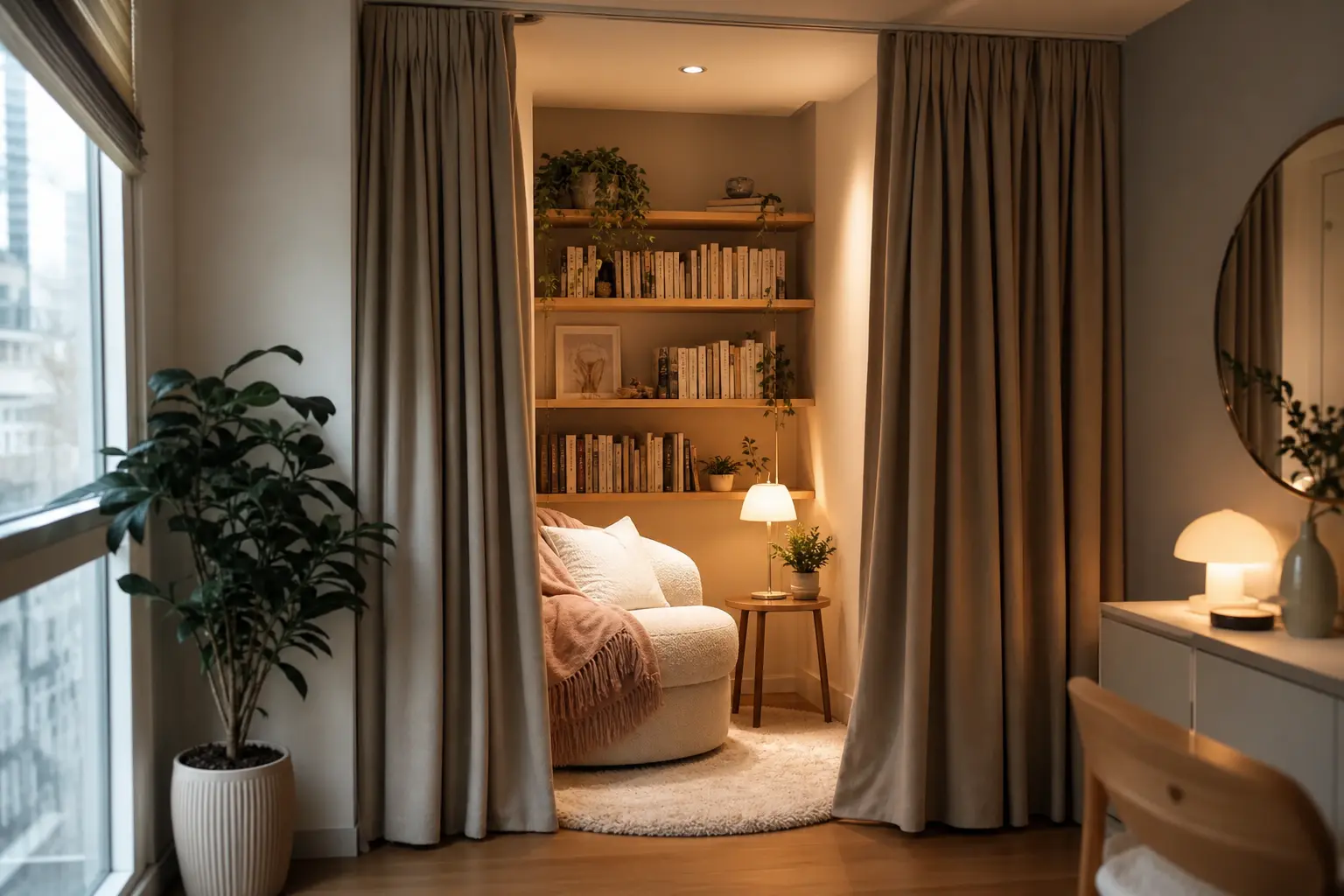
In a studio or open plan apartment, a light curtain or a slim folding screen can create a sense of separation for the nook without requiring an actual wall. This is especially useful if the nook sits near a shared living space and you want a bit of visual privacy while reading.
A sheer curtain lets light through while still softening the edges of the space, which works well if the nook is near a window you don’t want to fully cover.
9. Add a Plant to Soften a Small Corner
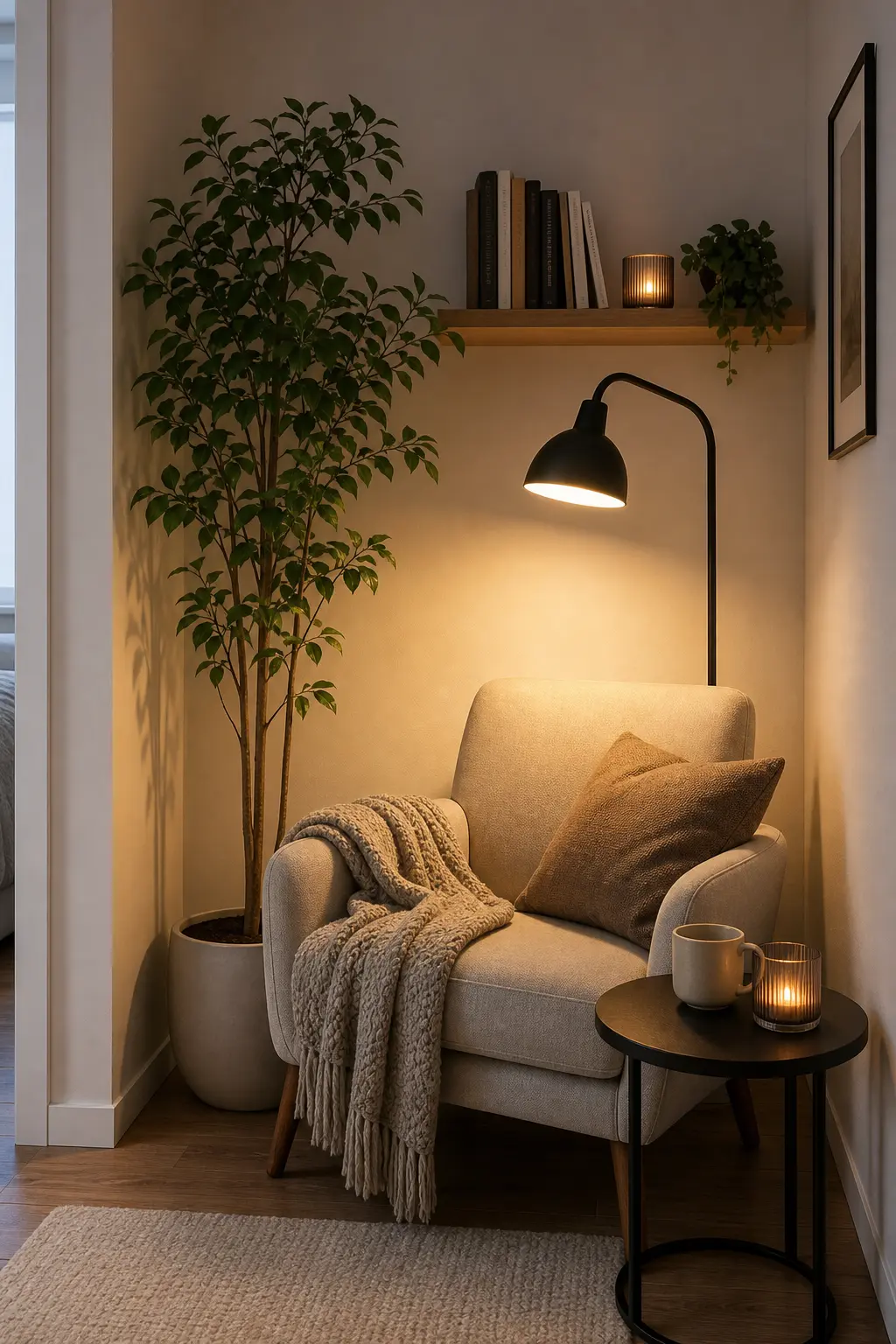
A single small plant, like a pothos on the side table or a compact snake plant on the floor, adds a natural, calming element without demanding much space. Choose a plant suited to the actual light levels in your specific corner, since a nook near a small window won’t support a plant that needs bright direct sun.
One plant is usually enough in a small footprint. Overcrowding a tight nook with several pots can make the space feel more cluttered than cozy.
10. Keep Decor Minimal to Avoid a Cramped Feel
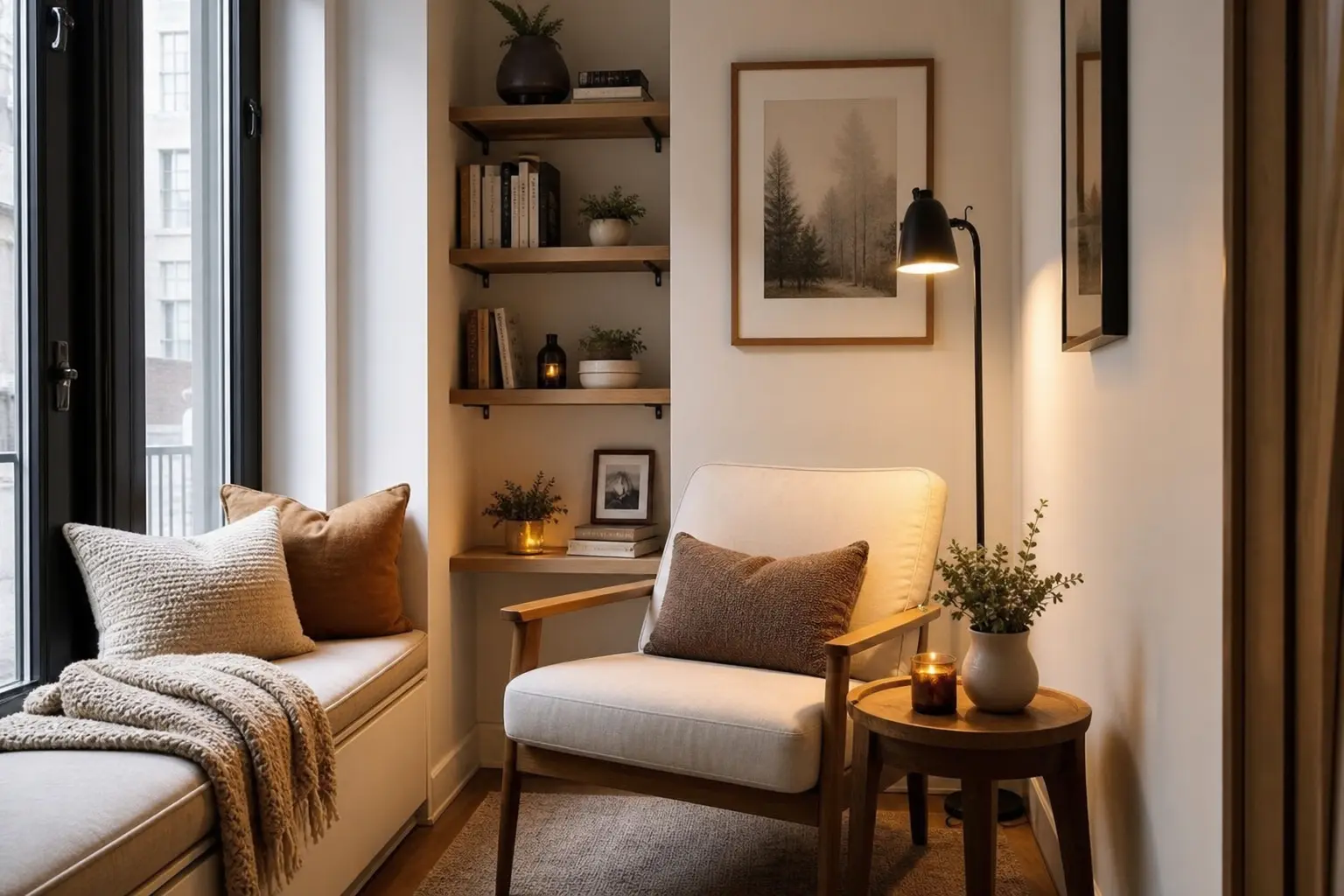
In a small reading nook, restraint matters more than in a larger room. A single lamp, one small plant, a rug, and a few textiles are often enough. Adding too many decorative objects in a tight footprint quickly starts to feel crowded rather than curated.
Before adding another item to the nook, consider whether it serves the actual experience of sitting down to read there. If it doesn’t, it’s likely better placed somewhere else in the apartment.
Mistakes to Avoid
- Choosing a chair too large for the available footprint, making the space feel cramped
- Relying on overhead lighting instead of a focused lamp near the seat
- Skipping a rug entirely, which can make the nook blend into the rest of the floor
- Overloading a small side table or shelf with too many objects
- Adding more than one plant in a very tight corner, crowding the space
Frequently Asked Questions
How small can a space be and still work as a reading nook? Even a corner as narrow as 2 to 3 feet wide can work with the right slim chair or a floor cushion setup, especially if you skip a side table in favor of a small wall mounted shelf.
What kind of lighting works best for a small reading nook? A focused light source close to the seat, like a wall mounted swing arm lamp or a small clip lamp, tends to work better in tight spaces than a floor lamp that takes up additional footprint.
Do I need a rug in a small reading nook? It helps define the space visually, but a small low pile rug, even one just under the chair itself, is usually enough. A large rug isn’t necessary or practical in most small apartment corners.
Can I create a reading nook in a studio apartment without a separate room? Yes. A curtain, a folding screen, or simply the placement of the chair and rug can visually separate a nook from the rest of an open plan space without requiring an actual wall.
How do I keep a small reading nook from feeling cluttered? Limit yourself to a handful of key pieces, generally a chair, a small light source, a rug, and one or two textiles. Adding storage that holds only your current books, rather than a full collection, also helps.
Conclusion
A cozy reading nook doesn’t need a spare room. It needs one underused corner, the right sized chair, and a warm light source close by. Start by measuring whatever small space you have, and choose furniture built for that footprint rather than trying to fit a full sized setup into a tight spot.