10 Modern Living Room Ceiling Ideas with LED Cove Lighting & Plant Sills
You look up at your living room ceiling and it’s just flat drywall, the same white box every rental and starter home seems to have. Modern living room ceiling ideas built around LED cove lighting and a plant sill fix that by turning the ceiling into a lit, layered feature instead of dead space. It’s one of the few upgrades that changes how the whole room feels without touching the floor plan.
1. Understand What Cove Lighting Actually Is
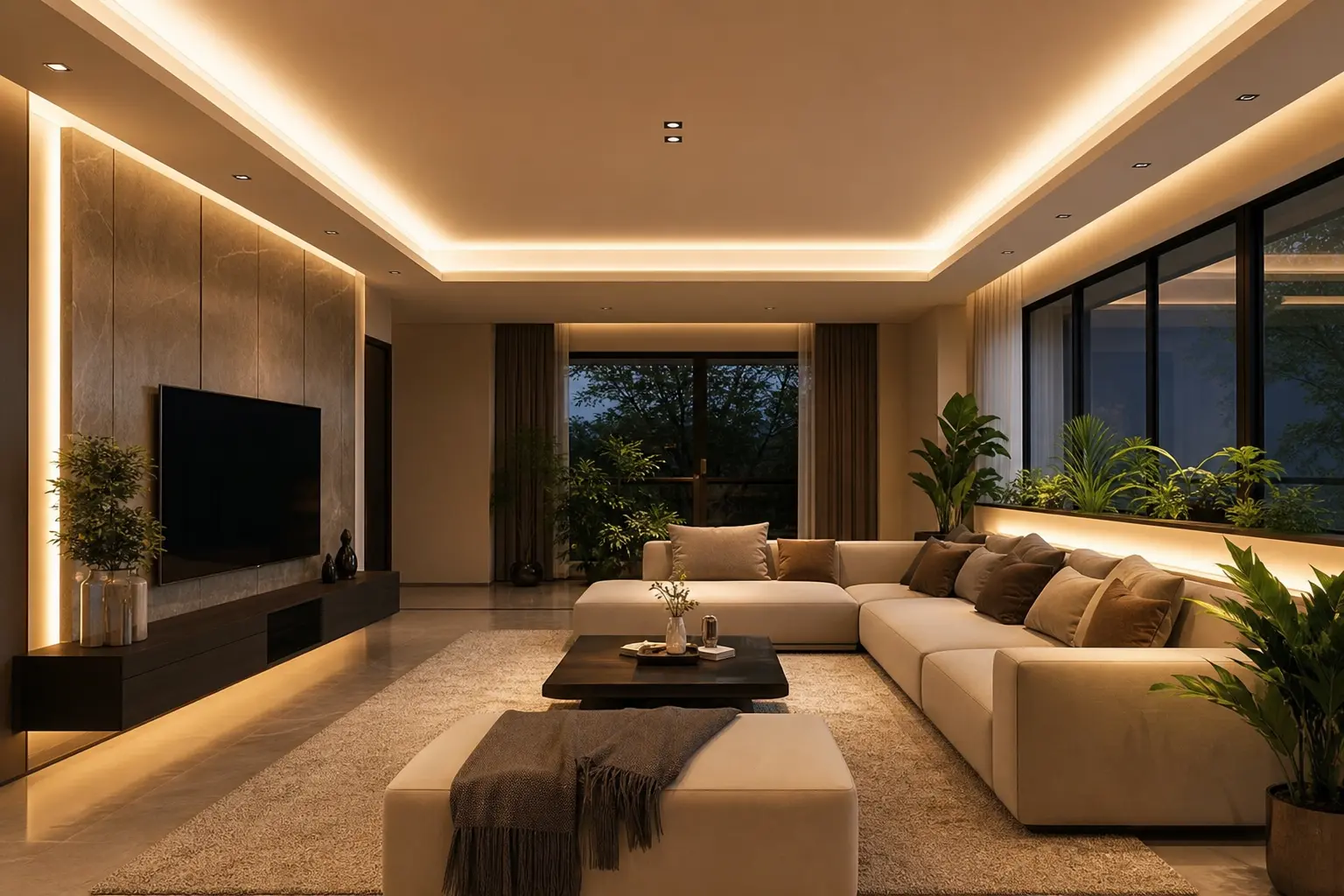
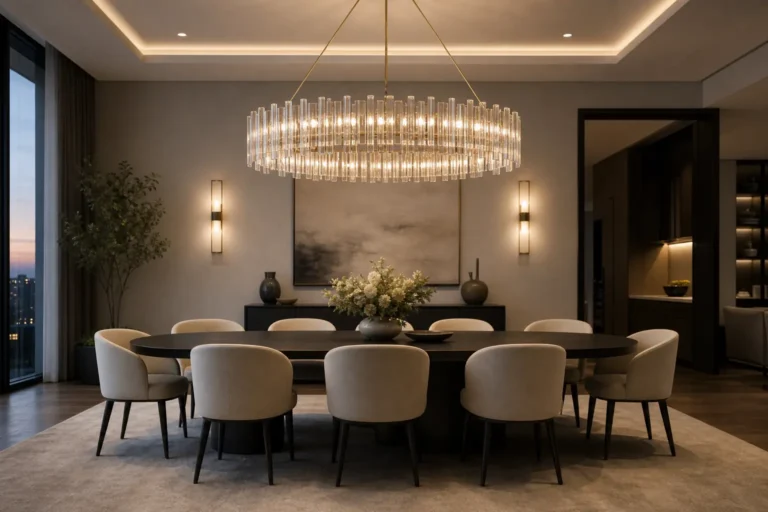
Cove lighting is an LED strip hidden inside a recessed tray or ledge, aimed so the light bounces off the ceiling instead of shining straight down. The light source itself stays hidden from a normal sightline. What you see is a soft glow along the ceiling edge, not a visible fixture.
This is different from recessed can lights, which point straight down and create pools of light on the floor. Cove lighting spreads light sideways and up, which is what gives a ceiling depth. It’s a common trick in hotel lobbies for exactly this reason.
2. Build a Recessed Ceiling Tray for the Light Strip
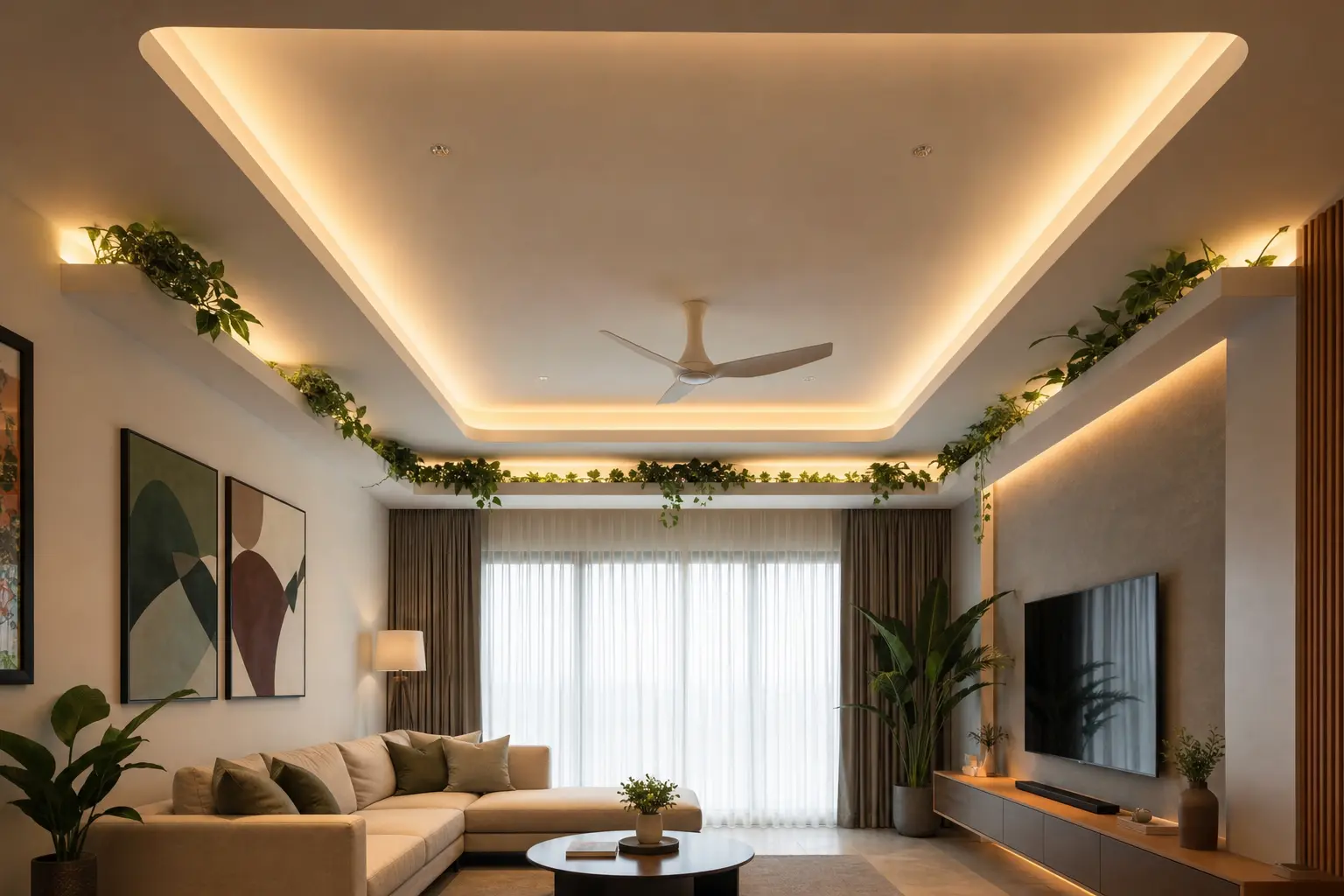
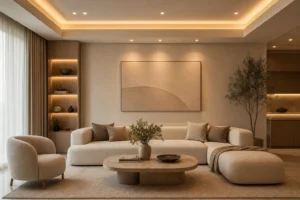
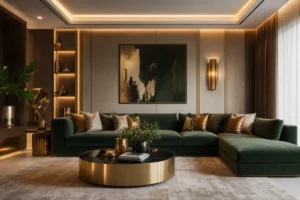
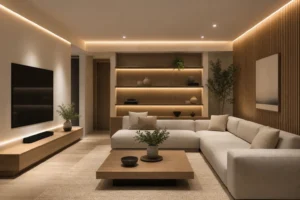
A cove tray is usually built from a simple drop soffit around the room’s perimeter, dropped 4 to 8 inches below the main ceiling. The LED strip sits in the gap, hidden behind a small lip so you never see the bare strip itself. Most residential trays run 6 to 12 inches deep depending on ceiling height.

Working With an Existing Flat Ceiling
If a full soffit isn’t in the budget, a simpler version uses crown molding turned upside down to create a small ledge. This hides a slimmer LED strip with far less construction than a full tray. It won’t have the same depth as a true cove, but it gets close for a fraction of the cost.
3. Choose the Right LED Strip Brightness and Temperature
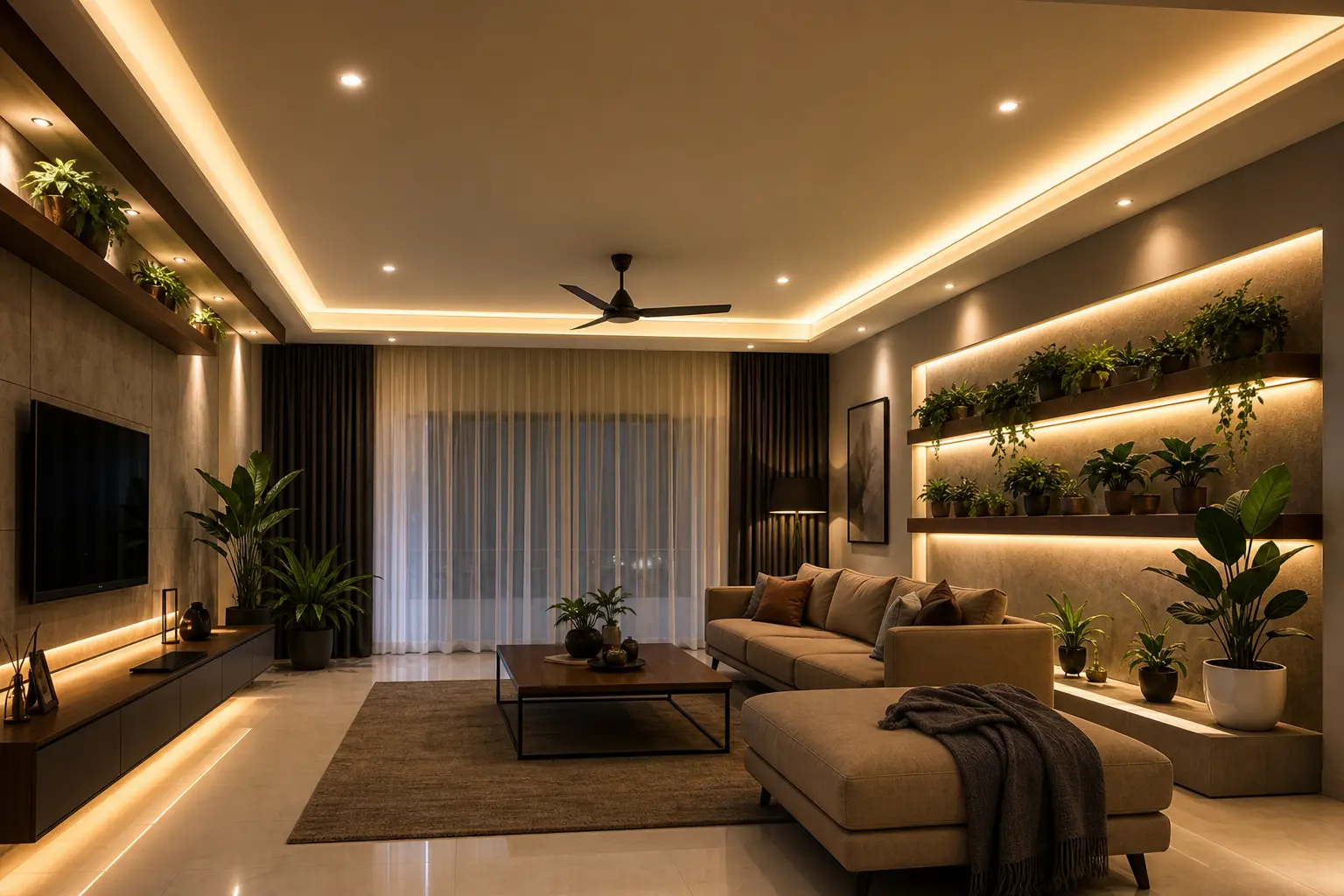
Cove lighting works best in the 2700K to 3000K range, warm enough to feel cozy without turning yellow. Look for strips rated around 300 to 500 lumens per foot for a living room sized cove. Anything brighter tends to wash out and lose the soft indirect quality that makes cove lighting worth doing.
A dimmable strip on its own switch matters more than most people expect. Full brightness works for a gathering, but a dimmed 30 percent setting is what you’ll actually use most evenings. Buy a strip with a separate dimmer control rather than relying on smart bulb apps alone.
4. Add a Plant Sill Along One Wall Near the Ceiling
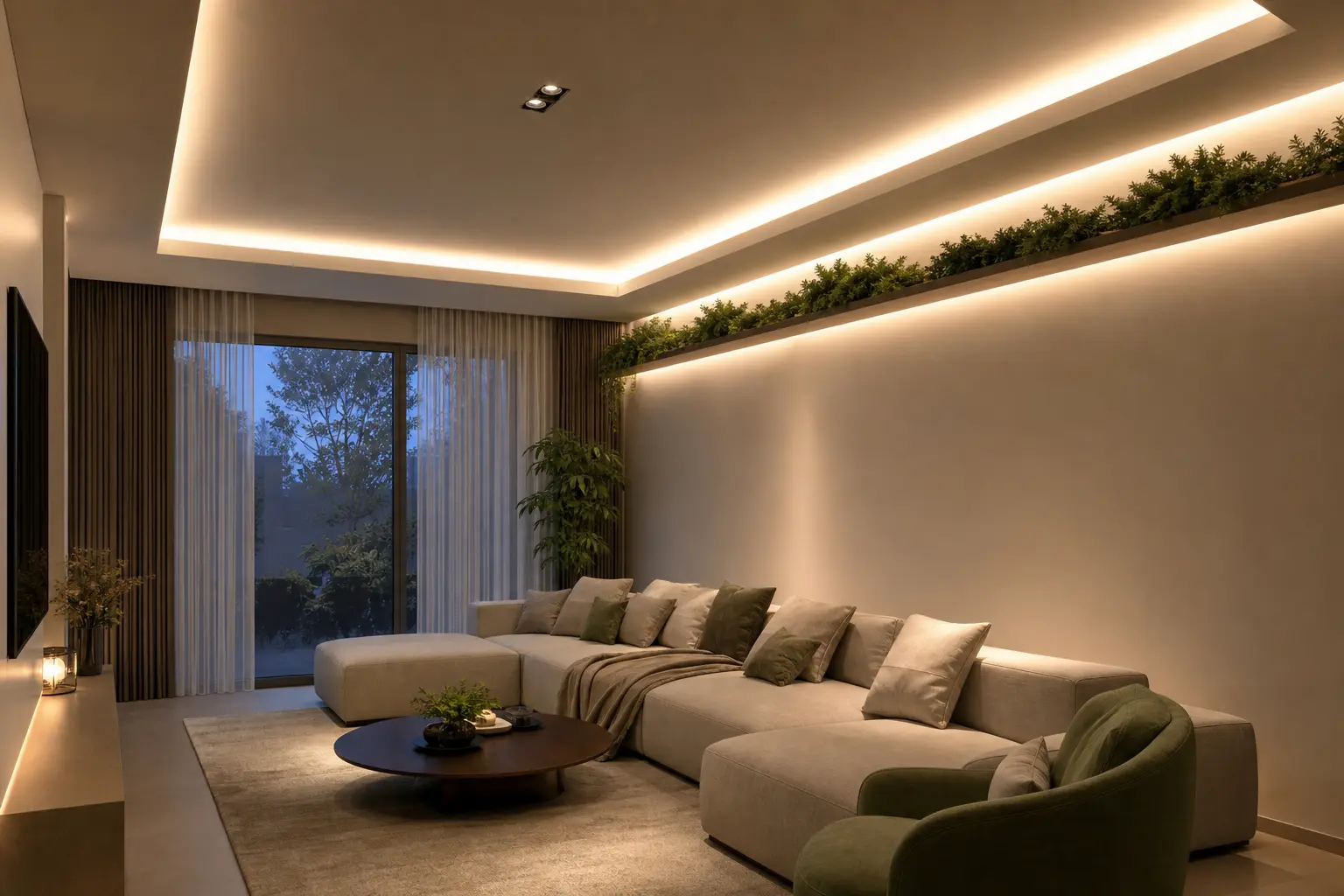
A plant sill is a narrow shelf, usually 6 to 10 inches deep, built into the wall near ceiling height. It gives trailing plants somewhere to grow and drape down the wall over time. Paired with cove lighting, the plants get lit from the side, which casts soft leaf shadows across the ceiling.
Position the sill on the wall opposite the main seating area so the trailing growth is visible from the couch. A single 8 foot run is usually enough for a living room. Anything longer starts to need more plant maintenance than most people want to keep up with.
5. Pick Plants That Actually Survive Up High
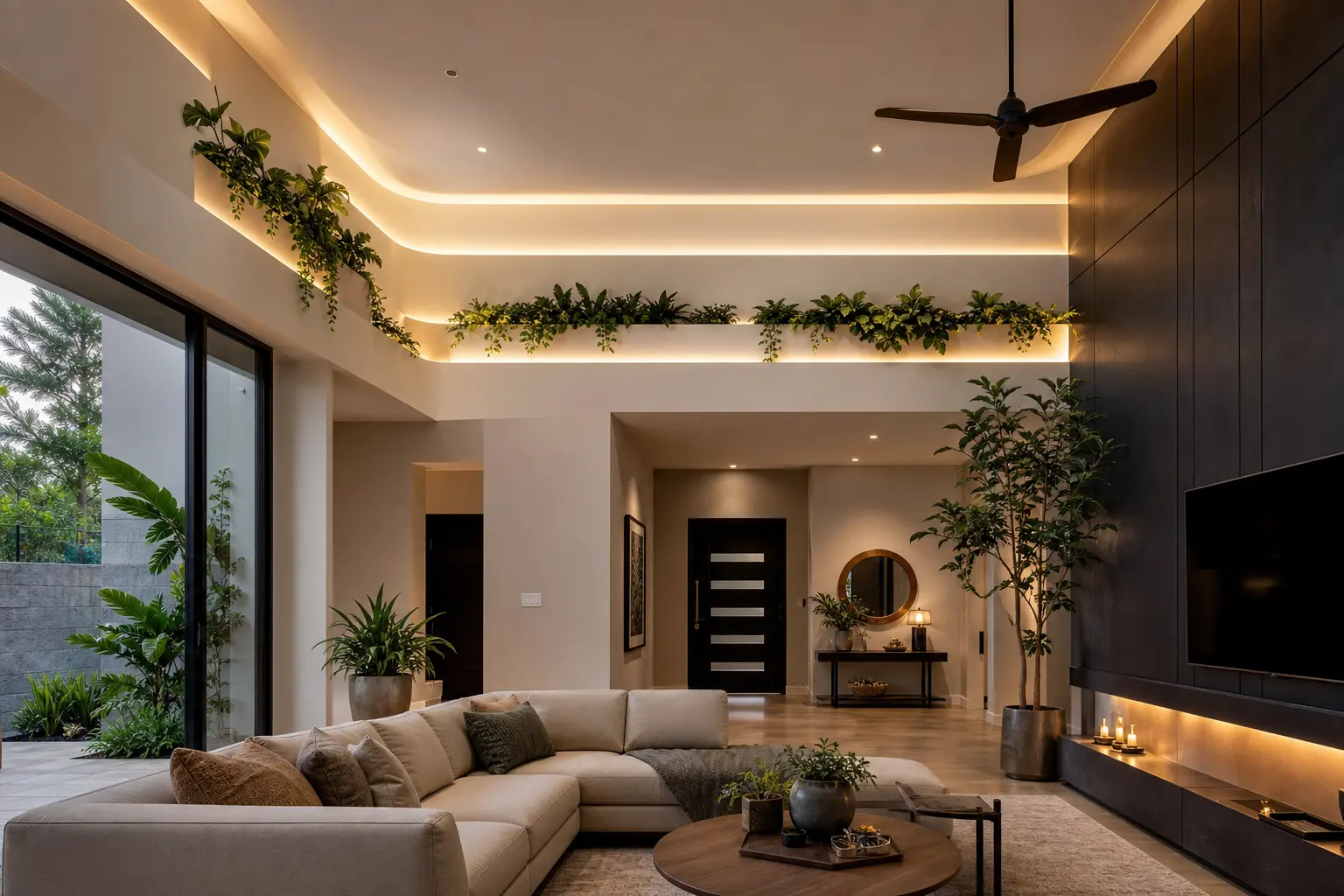
Ceiling height means less natural light and warmer air near the top of the room. Pothos, philodendron, and string of pearls all tolerate lower light and the slightly warmer air that rises toward the ceiling. Avoid anything that needs bright direct sun, since a plant sill rarely gets that.
Water access matters more than people plan for. A sill without easy reach means watering gets skipped, and skipped watering is the actual reason most high shelf plants die, not the light levels themselves. Consider a small watering can with a long spout, or plants like pothos that tolerate irregular watering better than most.
6. Combine Cove Lighting With a Center Ceiling Feature
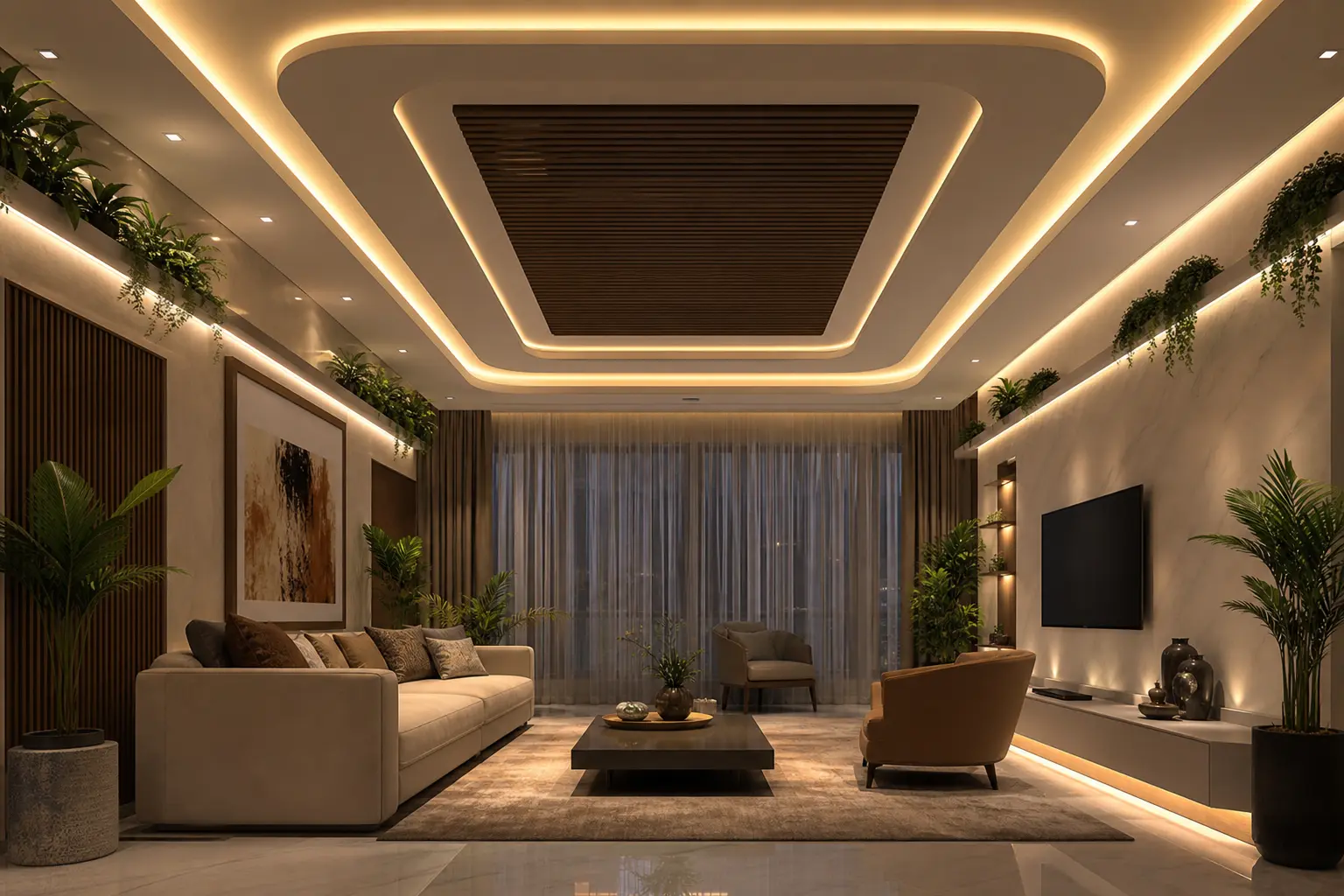
Cove lighting alone lights the edges of the room, but the center ceiling can still feel flat. A simple center feature, a slim linear pendant, a cluster of small pendants, or even a painted ceiling medallion, gives the eye a focal point. The cove light then acts as ambient fill around that centerpiece.
Keep the center feature simple if the cove lighting is already doing visual work. Two competing bold elements on one ceiling tend to cancel each other out. Pick one as the star and let the other support it.
7. Use Cove Lighting to Make a Low Ceiling Feel Taller
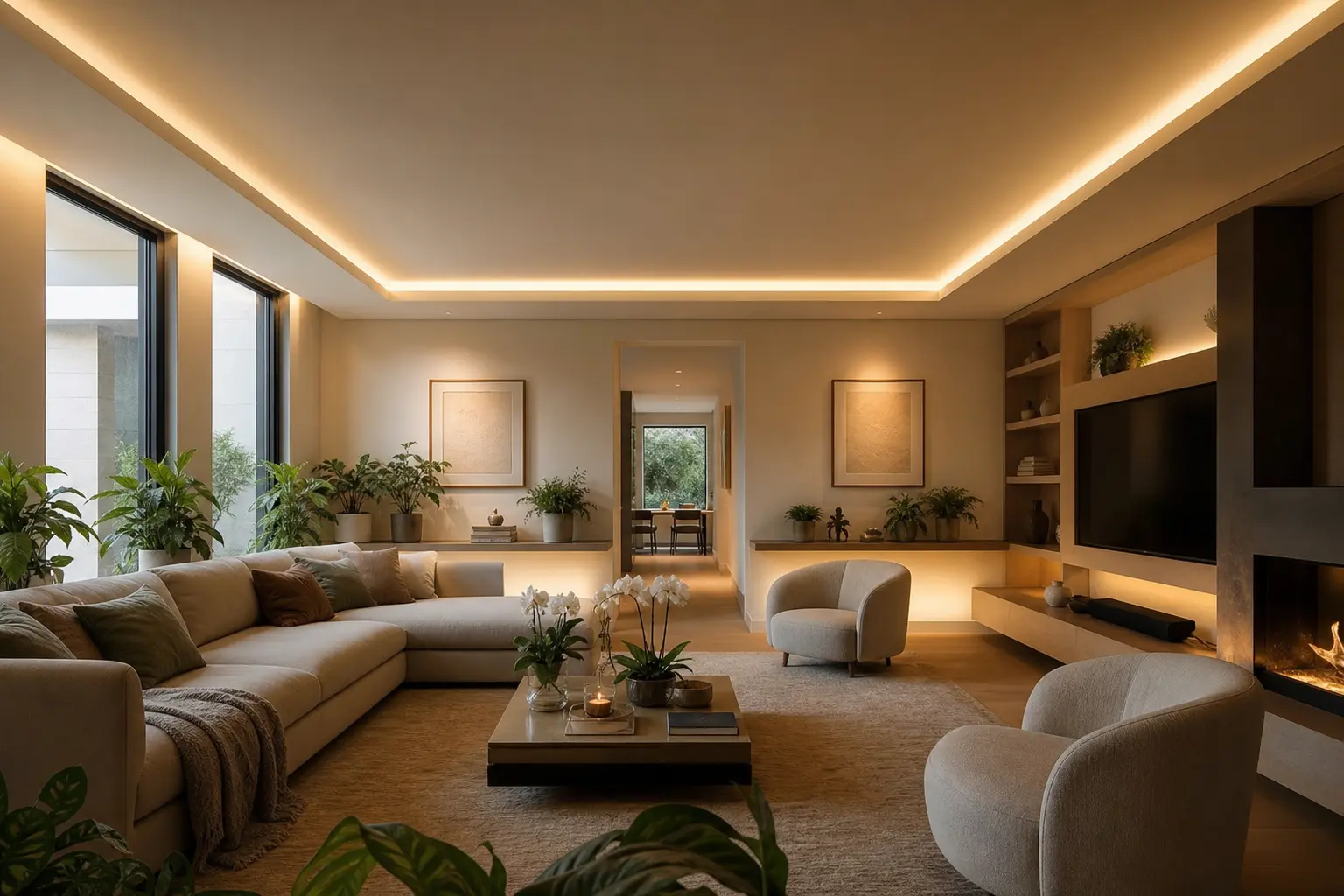
Indirect light bouncing off a ceiling tricks the eye into reading the room as taller than it is. This is one of the most useful reasons to add cove lighting in an older home with an 8 foot ceiling. Direct downlighting does the opposite, since it draws the eye down and makes the ceiling feel closer.
Paint the cove tray and the ceiling the same shade of white or off white. Contrast between the tray and ceiling breaks the illusion and shows the construction line instead of the light. A seamless color match is what sells the height trick.
8. Plan the Wiring Before the Drywall Goes Up
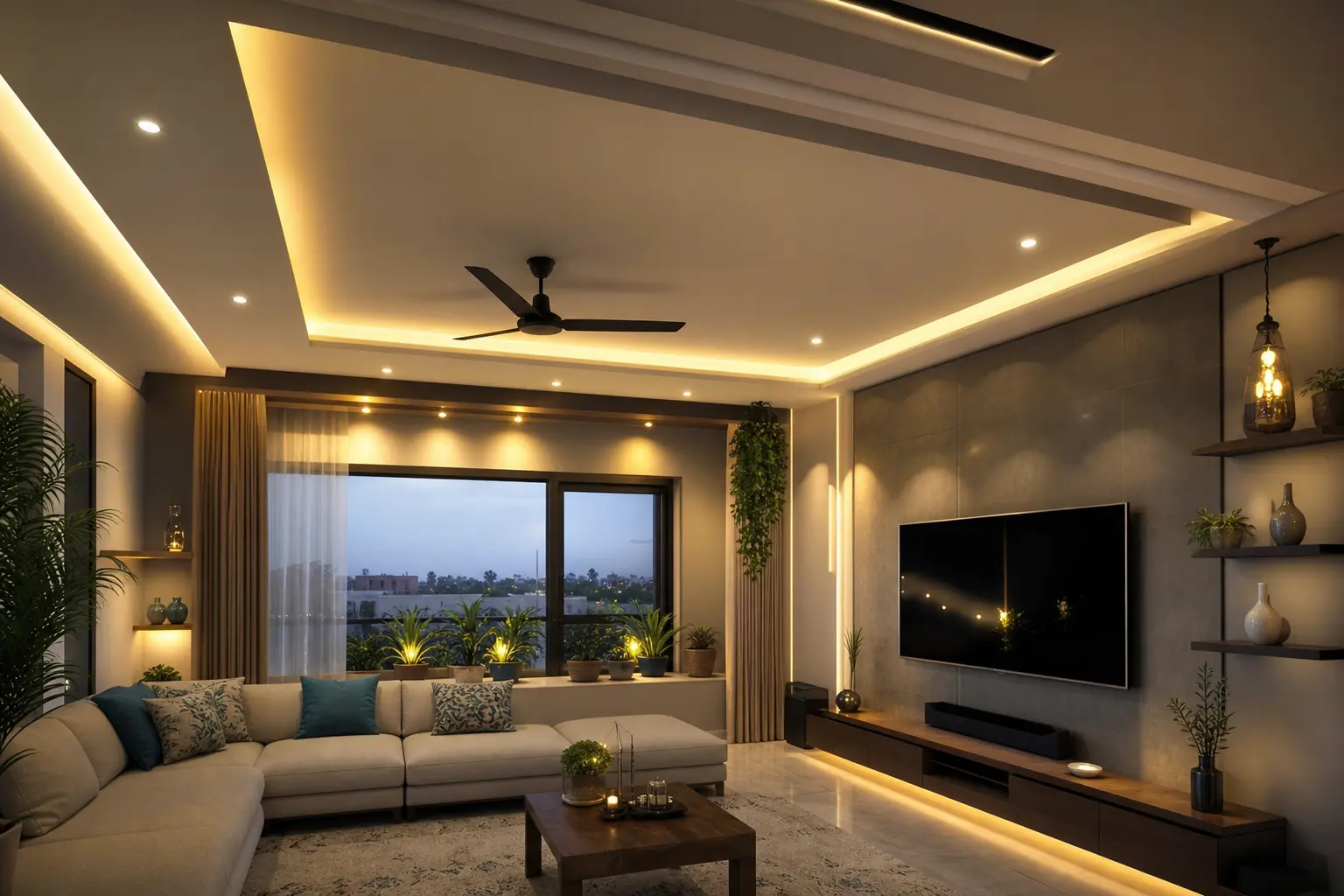
Cove lighting almost always needs a low voltage transformer, and that transformer needs to sit somewhere accessible for future repairs. Plan the transformer location and switch wiring before any drywall closes up the tray. Retrofitting access into a finished cove is far more work than wiring it during construction.
If you’re doing this in an existing room without new construction, surface mounted trim and plug in LED strips avoid the wiring problem entirely. It won’t be quite as clean as a hardwired system, but it’s a realistic option for a weekend project instead of a renovation.
9. Match the Ceiling Detail to the Rest of the Room
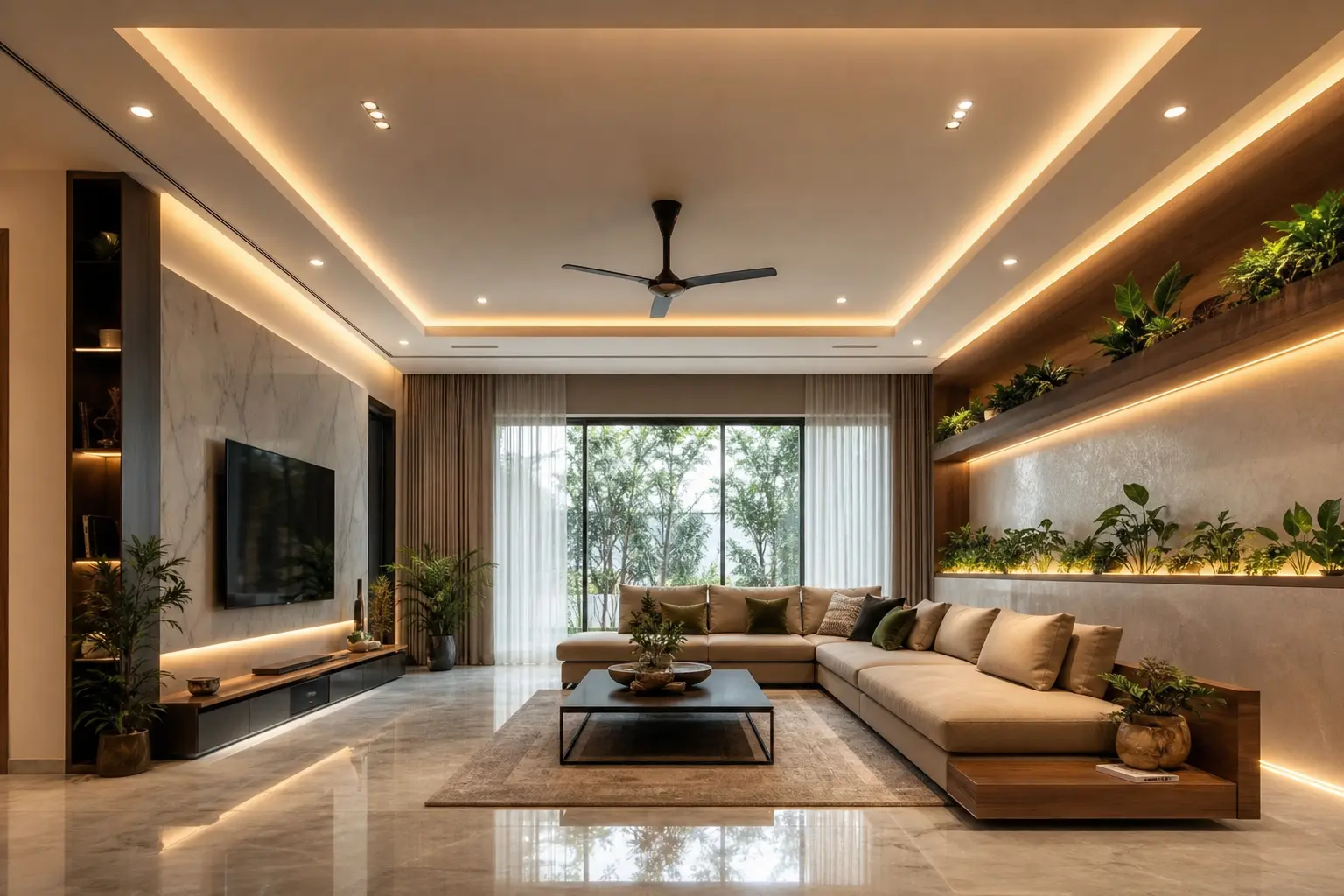
A heavily lit, layered ceiling reads as intentional when the rest of the room stays relatively simple. Keep wall colors neutral and furniture lines clean so the ceiling becomes the visual anchor. A busy ceiling above a busy room competes with itself and ends up looking cluttered instead of designed.
Repeat the warm color temperature from the cove lighting in at least one other light source in the room, like a floor lamp. That repetition ties the ceiling glow to the rest of the room’s lighting instead of making it feel like a separate project.
10. Use Dimmer Zones to Change the Mood Through the Day
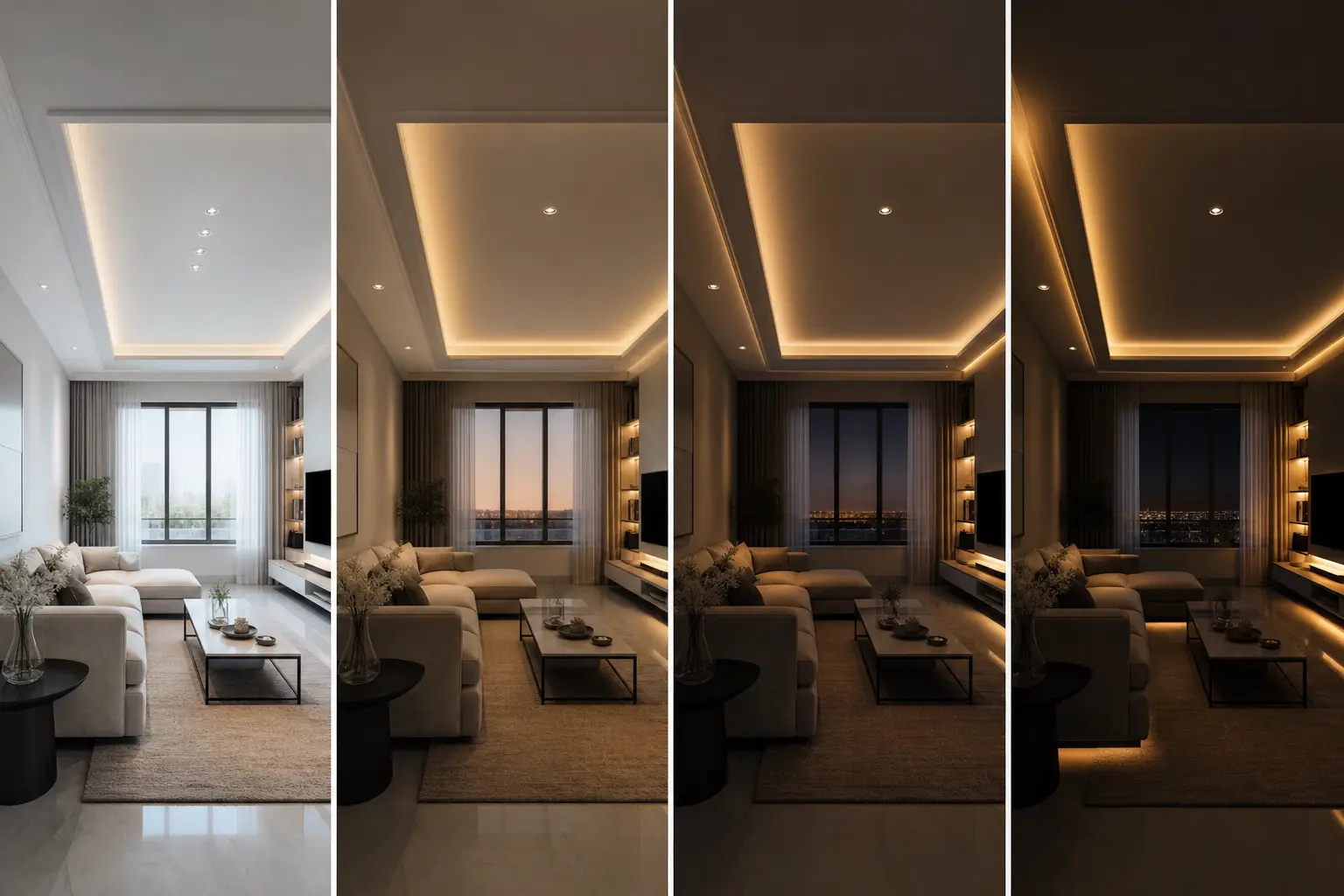
One dimmer switch for the whole cove strip is fine, but splitting the run into two or three zones gives you far more control. A living room used for morning coffee, afternoon work, and evening movie nights doesn’t need the same brightness for all three. Zoned dimming lets you push more light toward a reading corner while keeping the rest of the cove low.
Smart LED controllers make this easy without extra wiring, since most strips already support app based zone splitting. Set a warm, dim scene for evenings and a brighter, neutral scene for daytime tasks. This single step is often what separates a cove that gets used daily from one that just gets turned on for guests.
Pairing Zones With Natural Light
Match your dimmer schedule loosely to when the sun sets in your area. Bright morning sun usually means the cove barely needs to run at all before midafternoon. Once natural light drops off, ramping the cove up gradually feels more natural than switching from dark to full brightness in one step.
Mistakes to Avoid
- Using a cool white LED strip above 3500K, which looks clinical instead of cozy
- Skipping the wiring and transformer plan before drywall closes the tray
- Painting the cove tray a different shade than the ceiling, which kills the height illusion
- Placing a plant sill somewhere hard to reach for regular watering
- Choosing plants that need bright direct sun for a shaded ceiling level spot
- Overcrowding the center ceiling with a second bold fixture that competes with the cove light
Frequently Asked Questions
Do I need an electrician to install LED cove lighting? A hardwired system with a dedicated transformer usually needs an electrician, but plug in LED strips with a small adapter can be installed without one.
How deep does a ceiling tray need to be for cove lighting? Most residential coves run 6 to 12 inches deep, though even a shallow 4 inch drop can hide a slim LED strip if ceiling height is limited.
What plants work best on a high plant sill with lower light? Pothos, philodendron, and ZZ plants all tolerate the lower light and warmer air common near the ceiling.
Can cove lighting work in a room with a standard 8 foot ceiling? Yes, and it’s actually one of the more useful upgrades for a shorter ceiling since the indirect light makes the room read as taller.
Is LED cove lighting expensive to run? LED strips use very little power compared to older lighting, so running cost stays low even with the lights on for several hours each evening.
Final Thoughts
A modern living room ceiling with LED cove lighting and a plant sill turns the most overlooked surface in the room into its best feature. Start with the tray and wiring plan first, since that decision shapes everything else. Add the plant sill once the lighting is working, and keep the rest of the room simple enough that the ceiling gets to do the talking.