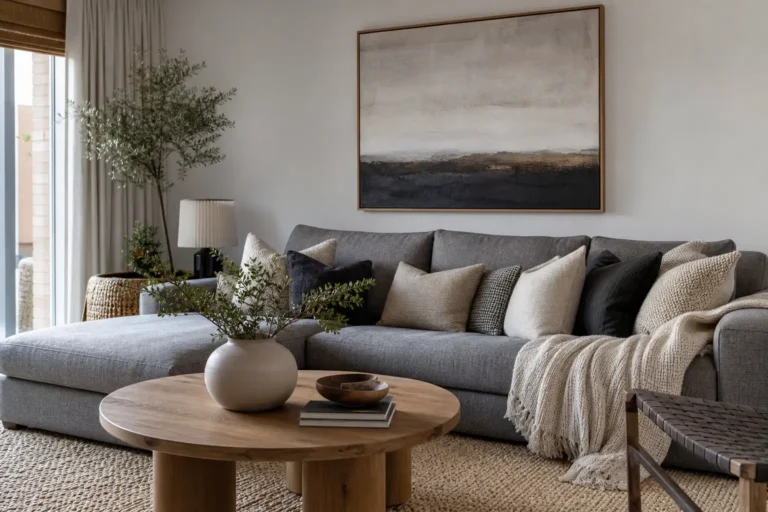
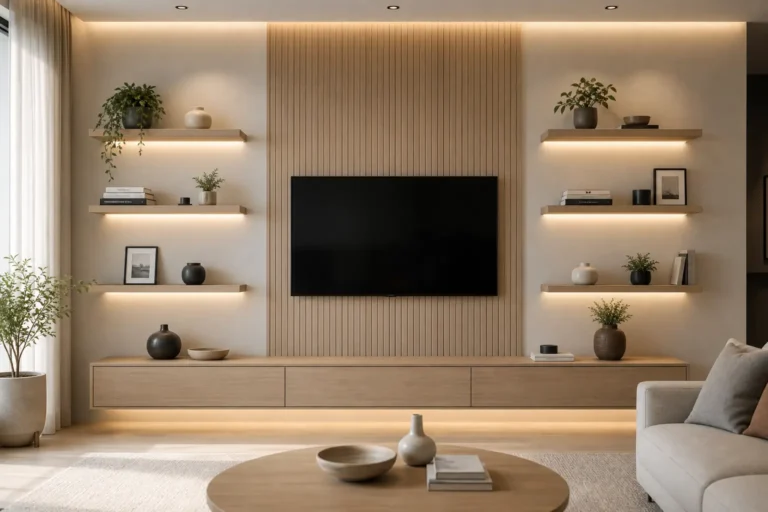
10 Luxury Neutral Bedroom Decor Ideas with Tufted Beds | Elegant Master Bedroom Inspiration
A neutral bedroom can look either genuinely elegant or simply unfinished, and the difference usually comes down to a handful of specific choices rather than the color palette itself. If you’re researching luxury neutral bedroom decor built around a tufted bed because your master bedroom feels a little flat, the fix is almost always about texture and layering rather than adding more furniture. This article covers ten ways to build a refined, hotel like neutral bedroom, with real detail on fabric, lighting, and cost.
1. What Makes a Neutral Bedroom Feel Genuinely Elegant
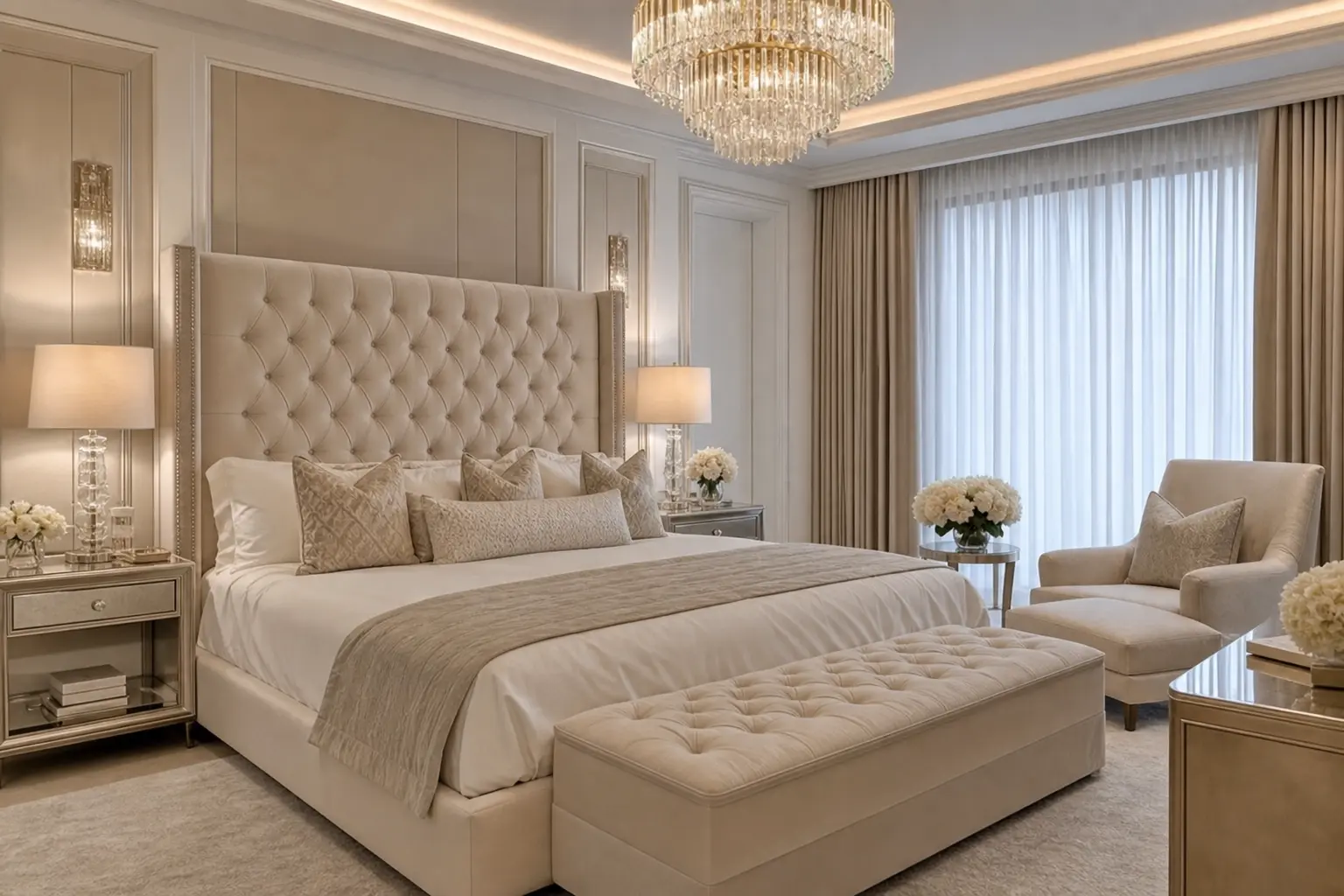
Elegance in a neutral bedroom comes from contrast in texture rather than contrast in color. A room built entirely from flat, similar surfaces, even in beautiful neutral tones, can end up looking plain rather than considered. Layering a tufted fabric headboard against smooth linen bedding, a woven rug, and matte metal fixtures gives the eye multiple textures to notice within the same narrow color range.
Proportion also plays a real role. A generously sized headboard, rug, and window treatment, scaled properly to the room, reads as more intentional and finished than smaller, budget sized versions of the same pieces placed in an otherwise spacious room.
2. Choosing a Tufted Headboard Style for a Master Bedroom
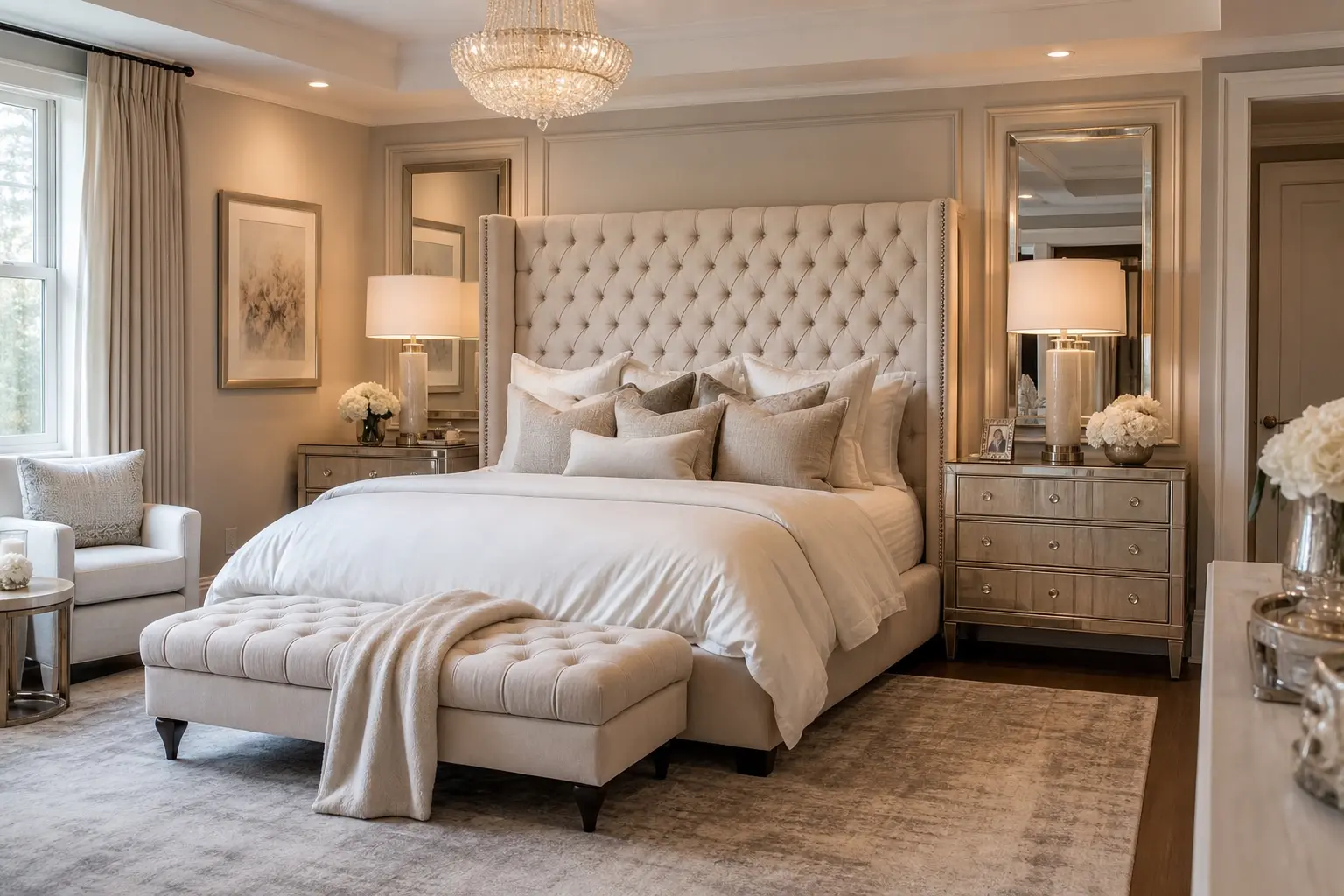
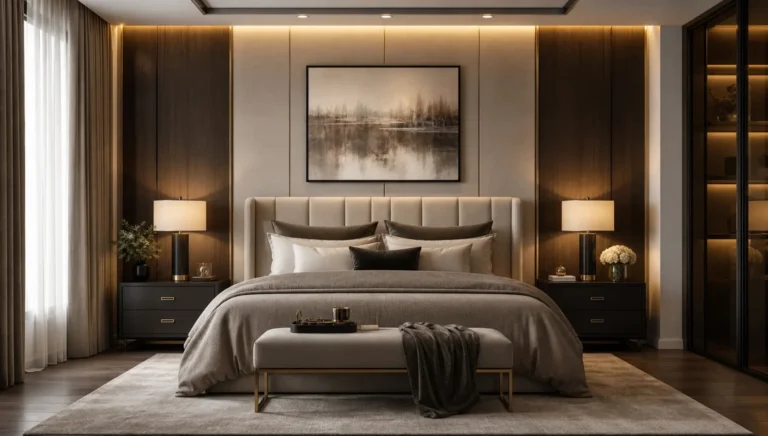
Channel tufted headboards, with vertical padded ridges running the full height of the piece, have become one of the most recognized styles associated with a modern luxury bedroom. Diamond tufted headboards, with a repeating buttoned diamond pattern, offer a more traditional, formal look that suits a slightly more classic master bedroom style.
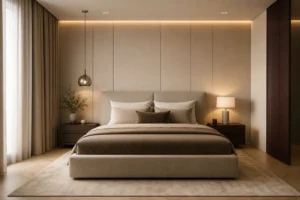
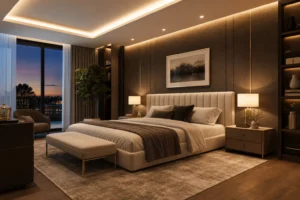
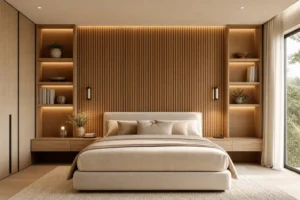
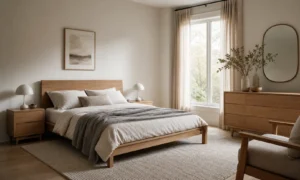
Headboard height matters as much as the tufting pattern itself. A tall headboard, extending well above where pillows typically sit, creates a stronger visual anchor for the room and tends to photograph and feel more substantial than a shorter, standard height headboard.
Freestanding Headboards vs Full Upholstered Bed Frames
A freestanding upholstered headboard, mounted independently of the bed frame, is often the simpler and more budget friendly option. A full upholstered bed frame, with matching tufted detailing on the footboard or side rails, creates a more complete, cohesive look but generally costs considerably more.
3. Fabric Choices That Elevate a Tufted Bed
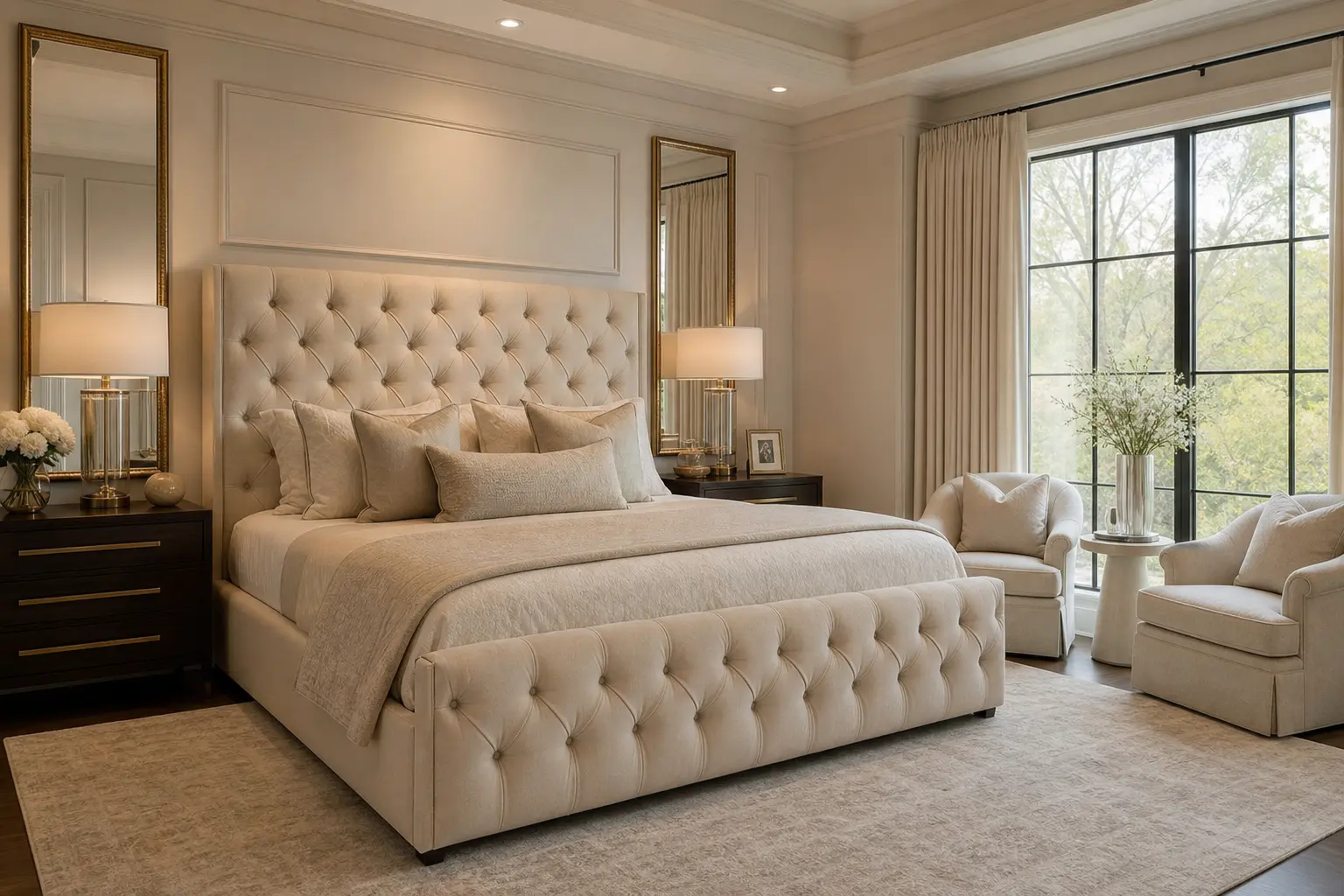
Boucle and linen fabrics, in soft cream or oatmeal tones, have become popular tufted headboard choices for their relaxed, organic texture that photographs beautifully under warm lighting. Velvet upholstery offers a richer, more formal look and tends to read as slightly more traditional or dramatic depending on the color chosen.
Performance fabrics, engineered to resist stains and wear better than natural fiber alternatives, are worth considering for a tufted headboard in a household with kids or pets, since the tufted seams and buttons on a headboard can be more difficult to clean thoroughly than a flat surface.
4. Layering Neutral Tones Without the Room Feeling Flat
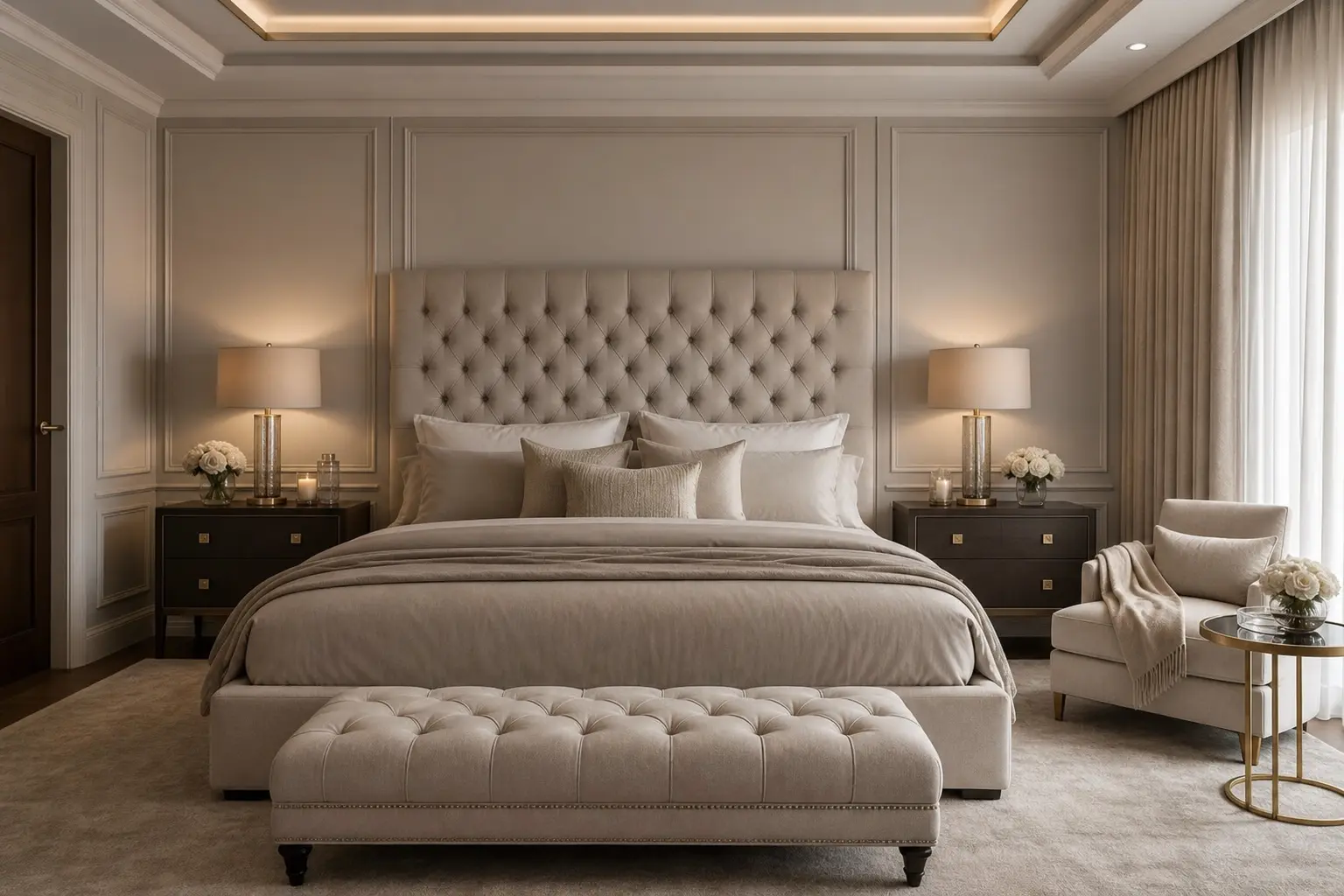
A room built from one single flat neutral shade throughout can look monotonous rather than calm. Layering slightly varied tones within the same neutral family, a warm white wall, a taupe headboard, and a deeper camel colored throw, creates gentle depth without introducing new colors into the space.
Mixing matte and subtly reflective finishes also helps avoid a flat look. A matte painted wall paired with a slightly textured woven headboard fabric, or a brushed metal lamp base against a soft linen lampshade, keeps a monochromatic room from feeling one dimensional.
5. Lighting That Complements an Elegant Neutral Palette
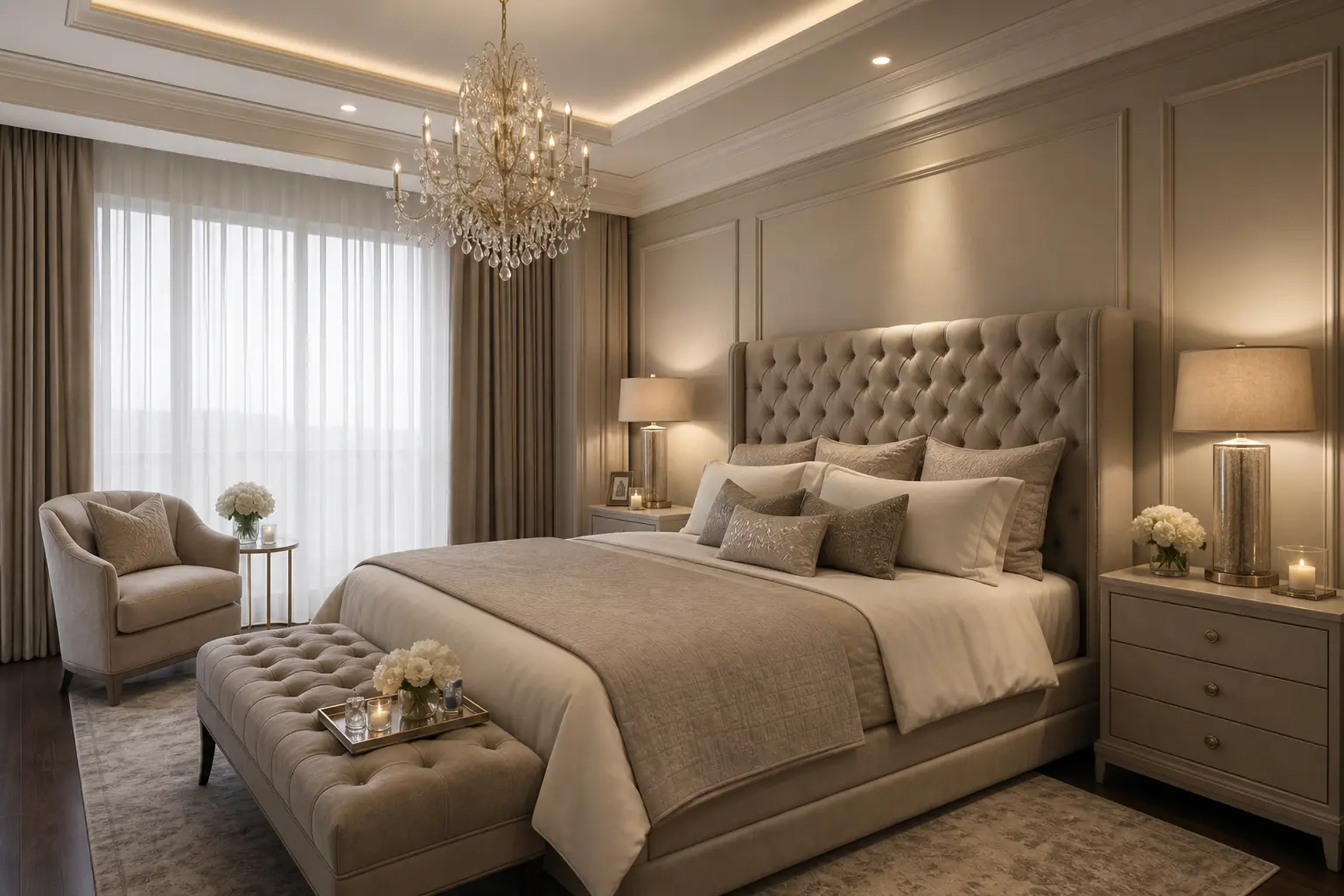
Warm LED lighting, generally in the 2700K to 3000K range, brings out the richness in neutral tones and upholstery. Cooler lighting above 4000K can make a neutral bedroom look slightly gray and flat rather than warm and inviting.
Layered lighting matters especially in a master bedroom meant for winding down. A dimmable overhead fixture handles general ambient light, while bedside table lamps or wall mounted sconces add a softer, lower layer suited to reading or relaxing in the evening. A single overhead light alone tends to flatten the texture built into the rest of the room.
6. Furniture Pairings That Suit a Tufted Bed
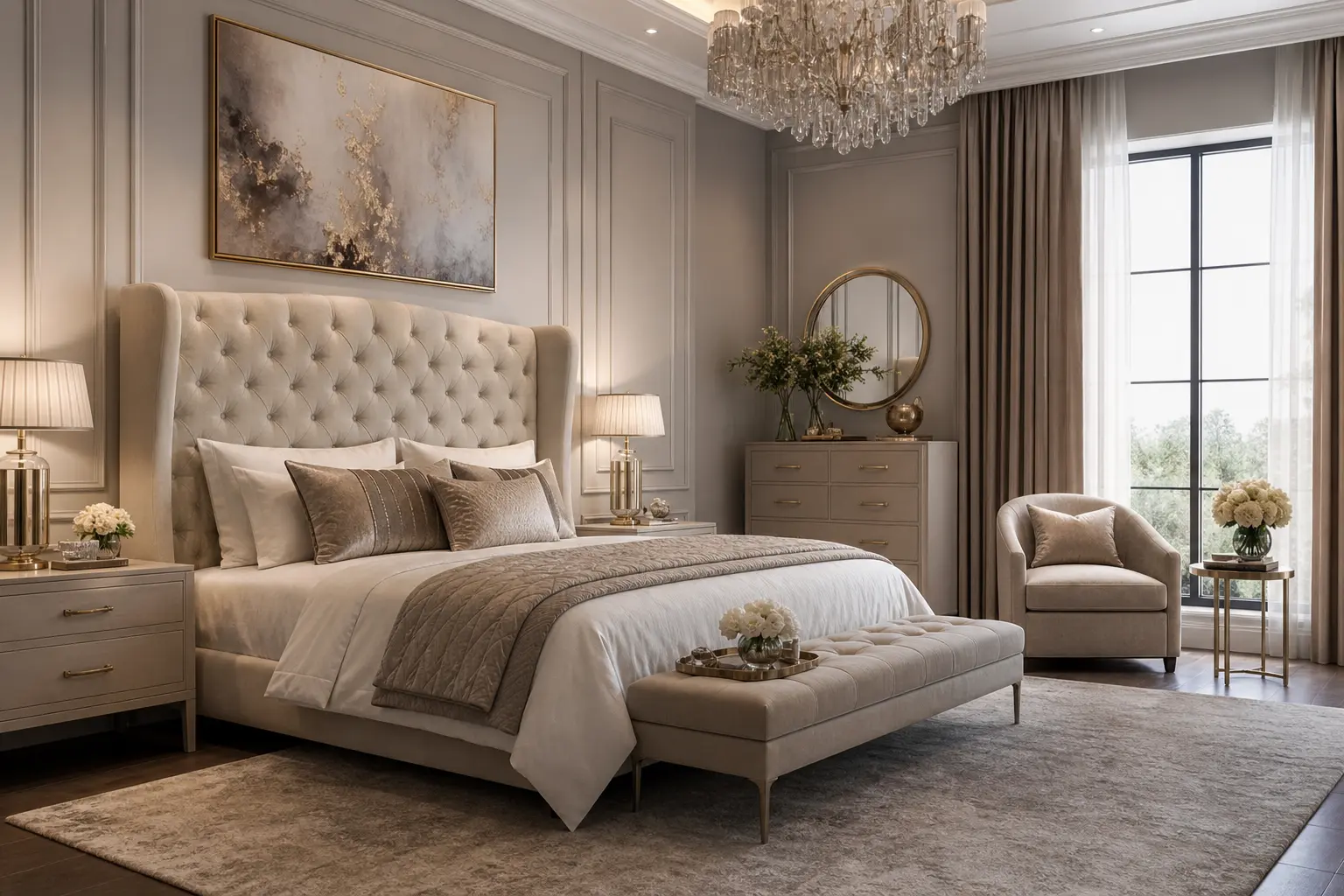
Warm wood nightstands, in oak or a lighter walnut tone, complement an upholstered tufted headboard without competing with its softness. Matte black or brushed brass hardware on those nightstands adds just enough contrast to keep the room from feeling entirely soft edged.
Avoid pairing a heavily tufted, textured headboard with very high gloss or heavily lacquered furniture elsewhere in the room. The visual mismatch between a soft, textured fabric and a hard, shiny surface tends to make the room feel split between two different styles rather than one cohesive look.
7. Rug and Flooring Choices for a Master Bedroom
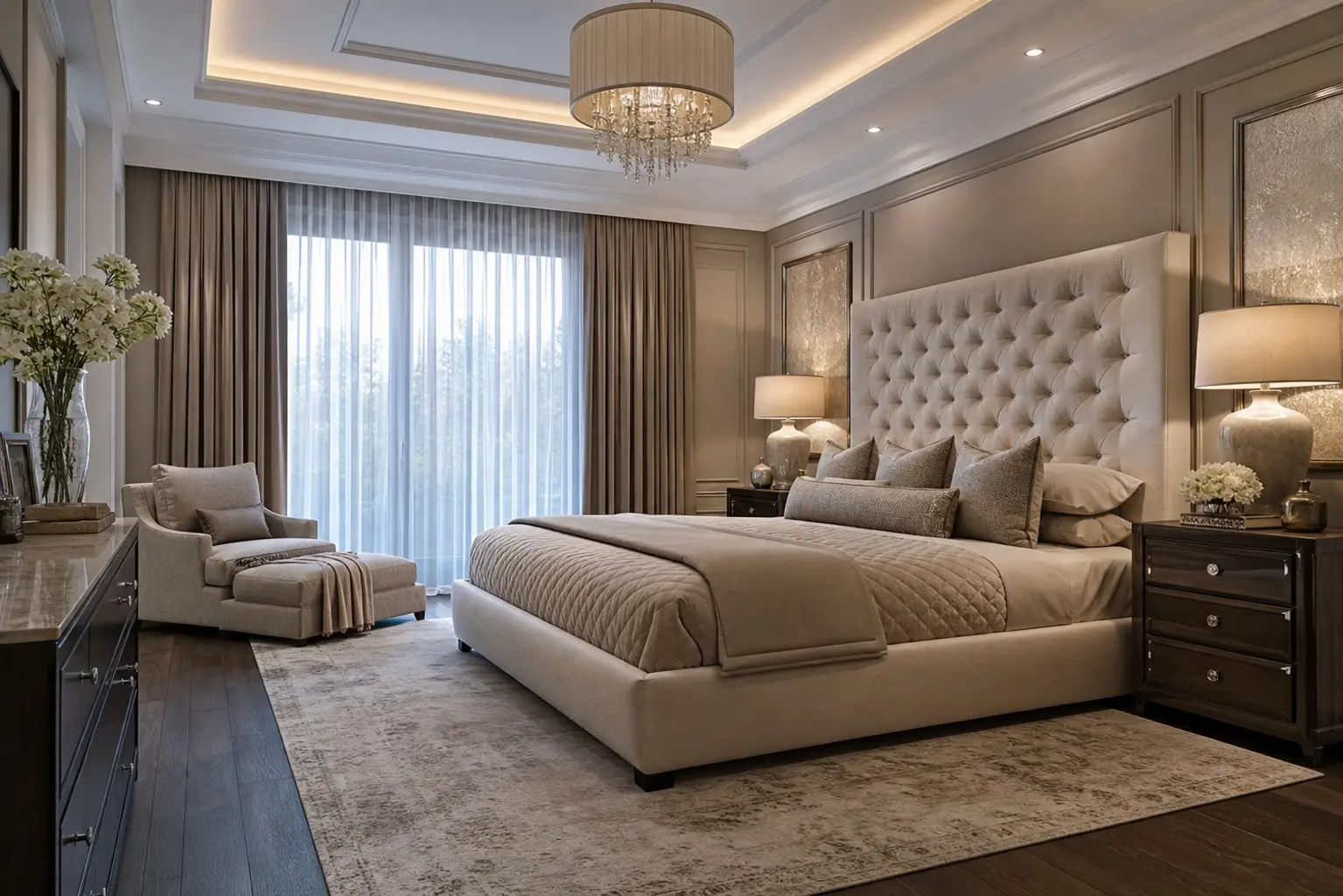
A large area rug, sized to extend at least 18 to 24 inches beyond the sides of the bed, anchors the furniture and adds warmth underfoot, especially on hardwood or tile flooring. A high pile or textured wool rug pairs particularly well with a tufted headboard, since both surfaces share a similar soft, tactile quality.
Layering a smaller textured rug on top of a larger flat woven base rug is another way to add depth underfoot without introducing new colors, similar to how texture layering works elsewhere in the room.
8. Window Treatments That Add Softness to a Neutral Room
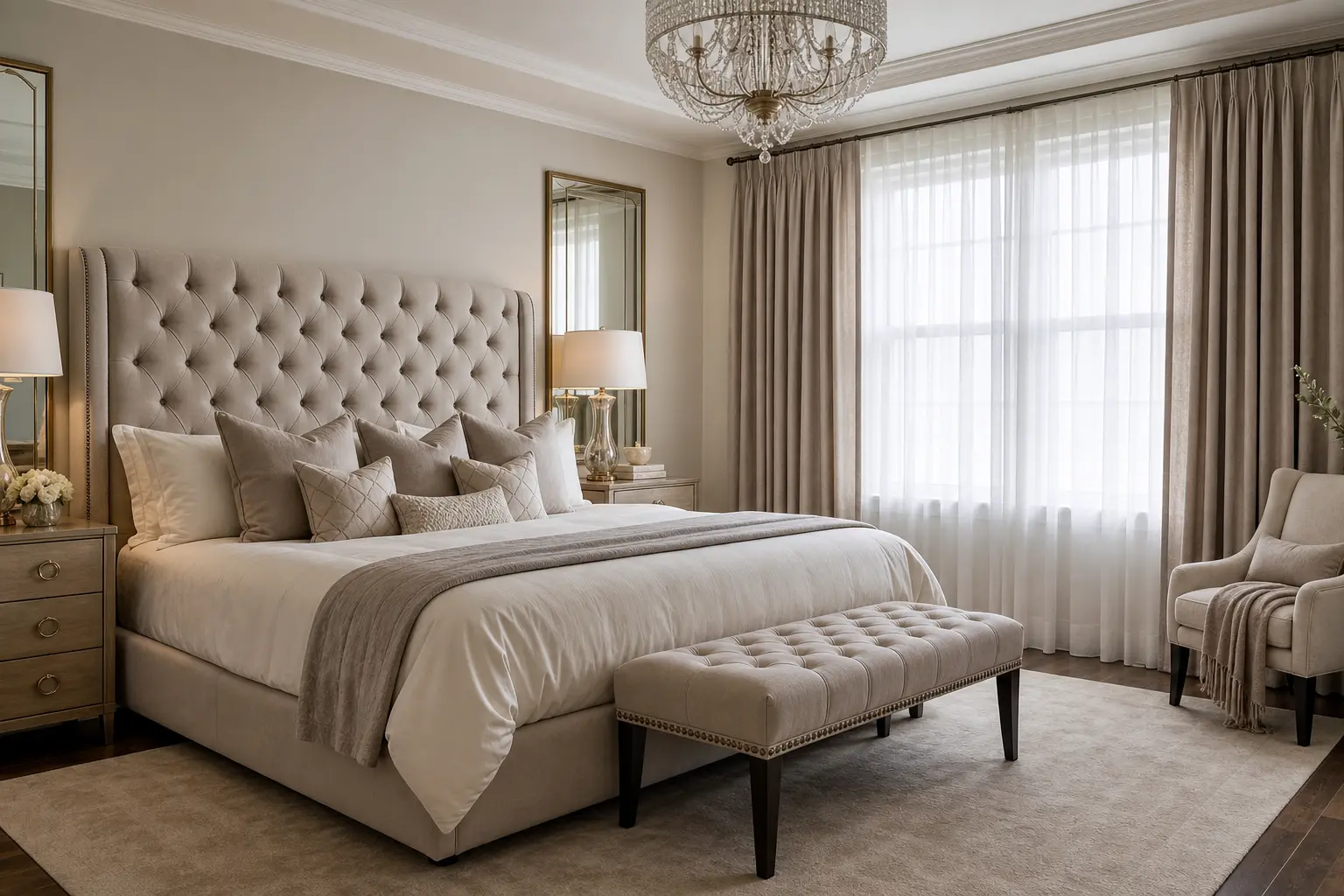
Floor length linen curtains, in a soft neutral tone close to the wall color, add height and softness to a master bedroom without introducing visual clutter. Curtains hung close to the ceiling, rather than directly above the window frame, make the room feel taller and more generously proportioned.
Layering a sheer curtain beneath a heavier linen drape adds both privacy control and additional textural depth, letting soft daylight filter through during the day while still offering a fuller, more finished look when both layers are closed in the evening.
9. Small Master Bedroom Adaptations for a Luxury Look
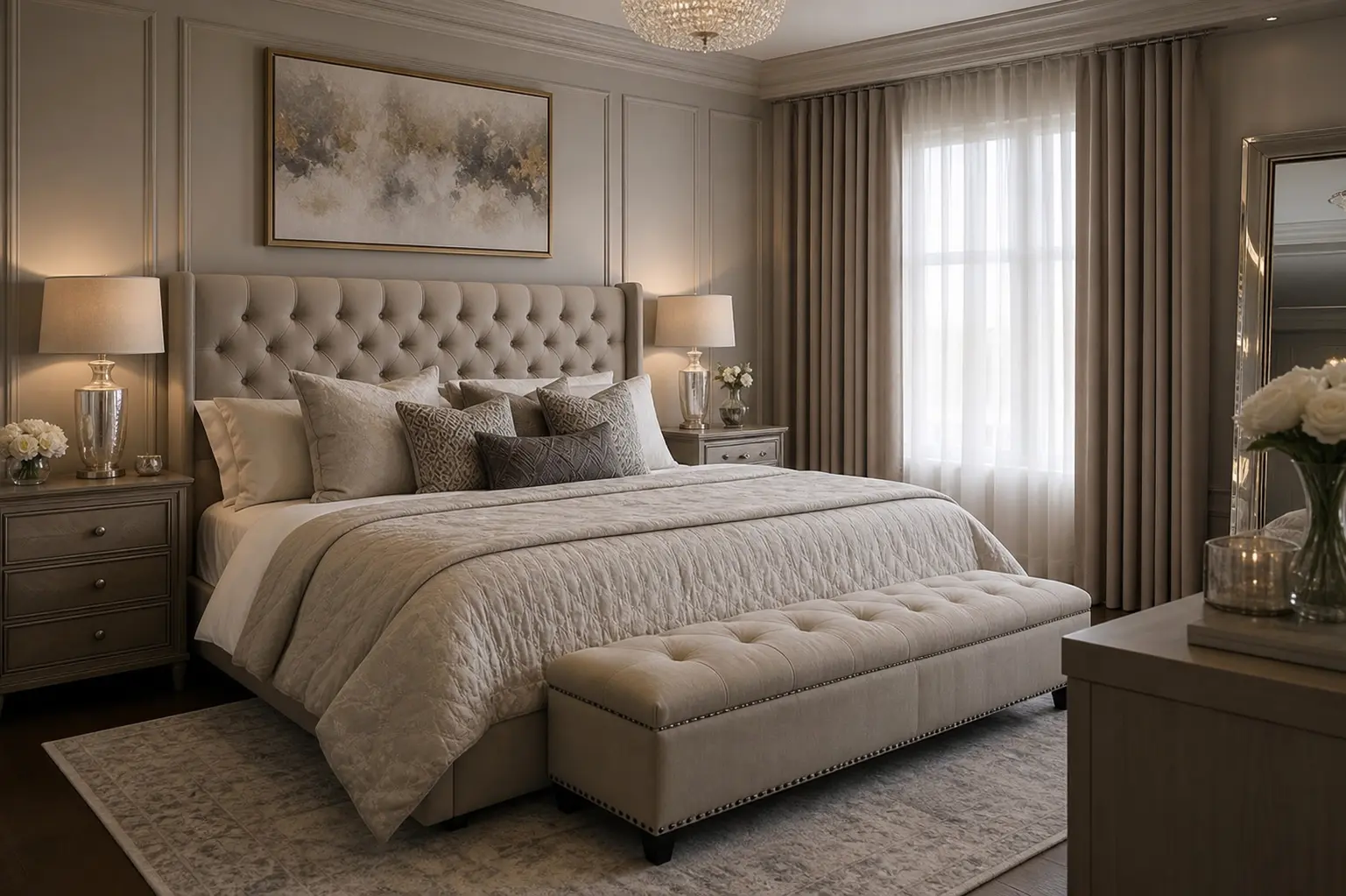
In a smaller master bedroom, a single, well proportioned tufted headboard becomes the main textural feature, without needing extra layered elements competing for attention. Staying within a tighter, more consistent neutral tone range, rather than mixing several distinct shades, helps a small space feel calm rather than visually busy.
Lighter neutral tones generally help a small bedroom feel more open than a deeper, richer palette. Mirrors and lighter toned window treatments also help bounce available light around a smaller room more effectively.
10. Budget Ranges for a Luxury Neutral Bedroom Refresh
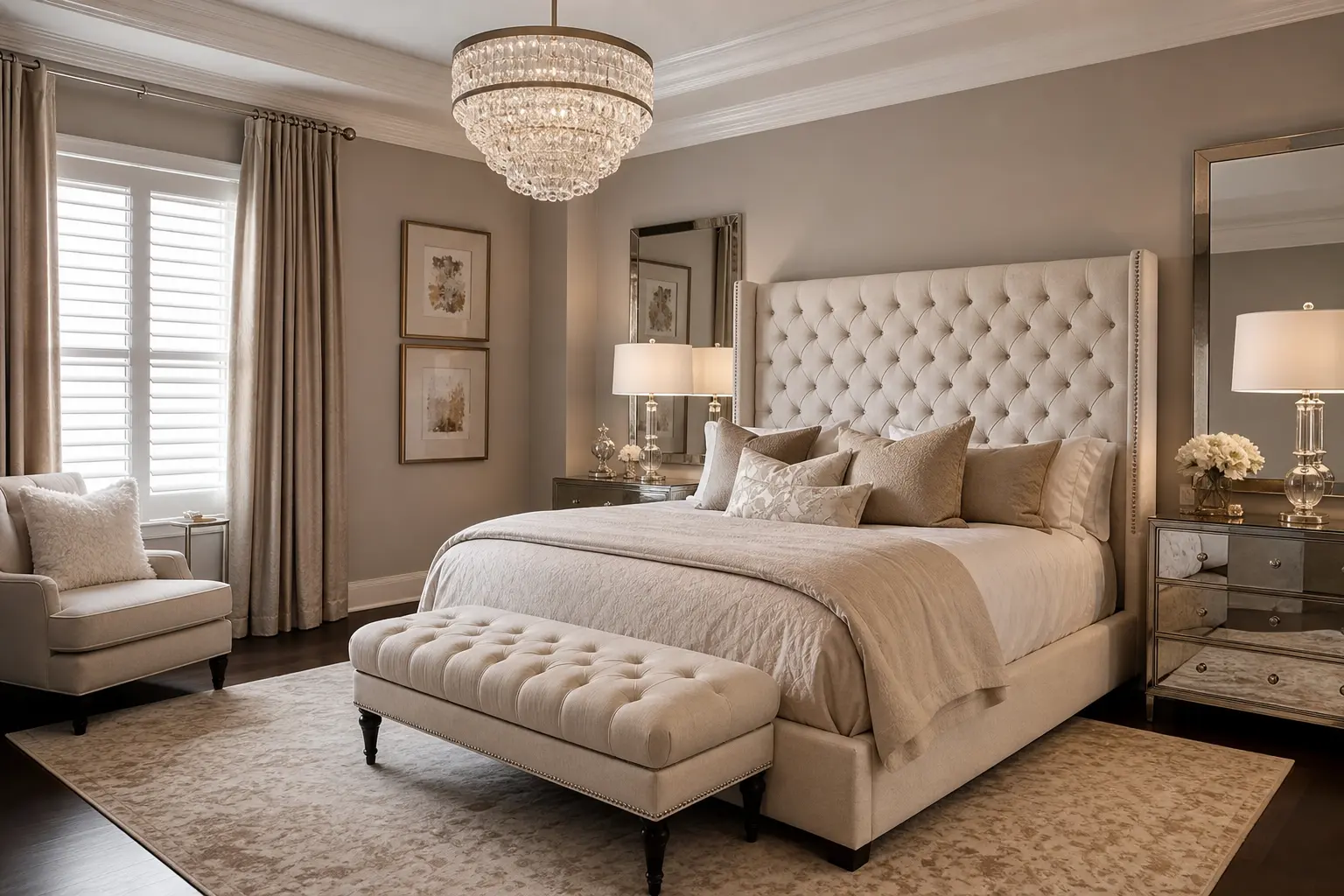
A refresh focused on a tufted headboard, new bedding, and updated lighting typically runs somewhere between 1000 and 3000 dollars for an average master bedroom, depending on headboard size and fabric choice. A full upholstered bed frame, rather than a headboard alone, adds to that cost, often running an additional 800 to 2000 dollars.
A more complete room refresh, including a new rug, custom window treatments, and layered lighting fixtures, tends to run considerably higher, often somewhere between 5000 and 12000 dollars depending on room size and material choices.
Mistakes to Avoid
- Choosing a headboard that’s undersized relative to the bed and room proportions
- Relying on a single flat neutral tone throughout instead of layering slightly varied shades
- Lighting the room with only one overhead fixture instead of layered lamps and sconces
- Pairing a tufted headboard with high gloss furniture that clashes with its soft texture
- Sizing a rug too small, leaving it floating awkwardly under just the foot of the bed
- Overcrowding a small master bedroom with too many competing textures at once
Frequently Asked Questions
What fabric holds up best on a tufted headboard long term? Performance fabrics, engineered specifically for stain and wear resistance, tend to hold up better than natural fiber alternatives, particularly around the tufted seams and buttons, which can be harder to clean thoroughly than a flat surface.
How tall should a tufted headboard be for a master bedroom? A taller headboard, extending well above where pillows typically sit, generally reads as more substantial and luxurious. Exact height depends on ceiling height and bed size, but erring taller rather than shorter tends to look more intentional.
What rug size works best under a bed in a master bedroom? A rug extending at least 18 to 24 inches beyond the sides of the bed generally anchors the furniture properly, rather than a smaller rug that appears to float under just part of the bed frame.
Does a neutral bedroom need warm or cool lighting? Warm LED lighting, generally between 2700K and 3000K, tends to complement neutral tones and upholstery best. Cooler lighting above 4000K can make the room look flatter and slightly gray.
Can a small master bedroom still feel luxurious with a tufted bed? Yes, often more easily than a larger room. A single, well proportioned tufted headboard as the main feature, paired with a tighter, consistent neutral palette, helps a smaller space feel calm and elegant rather than empty.
Conclusion
A luxury neutral bedroom built around a tufted bed feels elegant when texture and lighting are layered together rather than left to a single flat palette. A well proportioned headboard adds the softness a plain frame can’t, warm layered lighting keeps the room from looking flat, and a properly sized rug and window treatment tie the whole space together. Get those pieces working in balance, and a neutral master bedroom stops looking plain and starts feeling like a genuinely elegant retreat.